You need an eye exam, but you’re not sure who to call. Should you see an optometrist or an ophthalmologist? Don’t worry—you’re not alone. Many people get confused about these two types of eye doctors.
Here’s the simple answer: For regular eye checkups and glasses, see an optometrist. For eye surgery or serious eye problems, see an ophthalmologist.
This guide will help you understand the difference between these eye care professionals. You’ll learn exactly when to see each one, what they can treat, and how they work together to keep your eyes healthy.
What Is an Optometrist?
An optometrist is your go-to eye doctor for everyday eye care. Think of them like your family doctor, but for your eyes.
Education and Training:
Optometrists earn a Doctor of Optometry (OD) degree. They spend three or more years in college, then four years in optometry school. That’s about seven to eight years of education after high school.
What Optometrists Do:
Optometrists handle most of your regular eye care needs:
- Give comprehensive eye exams
- Check your vision and prescribe glasses
- Fit you for contact lenses
- Find early signs of eye diseases
- Treat common eye problems like dry eyes
- Prescribe medicine for eye infections
- Manage conditions like glaucoma (in most states)
According to the U.S. Bureau of Labor Statistics, about 47,800 optometrists are working in the United States.
Your optometrist in Mechanicsburg PA, can handle about 85% of your eye care needs. They’re trained to spot problems early and send you to a specialist when needed.
What Is an Ophthalmologist?
An ophthalmologist is a medical doctor who specializes in the eyes. They can do everything an optometrist does, plus much more.
Education and Training:
Ophthalmologists complete medical school and become MDs or DOs. Their training includes:
- Four years of college
- Four years of medical school
- One year of internship
- Three years of eye surgery training
That’s at least 12 years of education after high school. Some ophthalmologists train even longer to specialize in specific eye problems.
What Ophthalmologists Do:
Ophthalmologists provide advanced eye care:
- Perform all types of eye surgery
- Remove cataracts
- Do LASIK and other laser surgeries
- Treat serious eye diseases
- Handle eye emergencies and injuries
- Manage complex conditions like retinal problems
- Perform corneal transplants
Key Differences Between Optometrists and Ophthalmologists
Let’s break down how these eye doctors differ:
Training Level:
Optometrists study optometry for four years. Ophthalmologists go to medical school and complete surgical training. Both are qualified to care for your eyes, but ophthalmologists have more years of medical training.
Services Offered:
Optometrists focus on:
- Regular eye exams
- Vision testing
- Prescribing eyeglasses and contacts
- Treating common eye conditions
- Preventive eye care
Ophthalmologists focus on:
- All of the above, plus
- Eye surgery
- Complex eye diseases
- Serious eye injuries
- Advanced medical treatments
Cost Considerations:
Seeing an optometrist usually costs less than seeing an ophthalmologist for routine care. Most vision insurance covers comprehensive eye exams with an optometrist once a year.
When to See an Optometrist
You should visit an optometrist for regular eye care and minor problems.
Routine Eye Exams:
Everyone needs regular eye exams. Generally speaking, you should get your eyes checked every one to two years.
Here’s a simple schedule:
- Kids under 18: Once a year
- Adults 18-40: Every two years
- Adults 40-64: Every one to two years
- Adults 65+: Every year
If you wear glasses or have health issues like diabetes, get checked every year.
Vision Problems:
See an optometrist if you’re having trouble seeing clearly. They can help with:
- Blurry vision
- Trouble reading small print
- Headaches from eye strain
- Difficulty seeing at night
- Squinting to see things
At Hampden Optical, our optometrists can test your vision and prescribe the right lenses for you.
Getting New Glasses or Contacts:
Need new glasses? Your optometrist will:
- Test your eyes
- Write your prescription
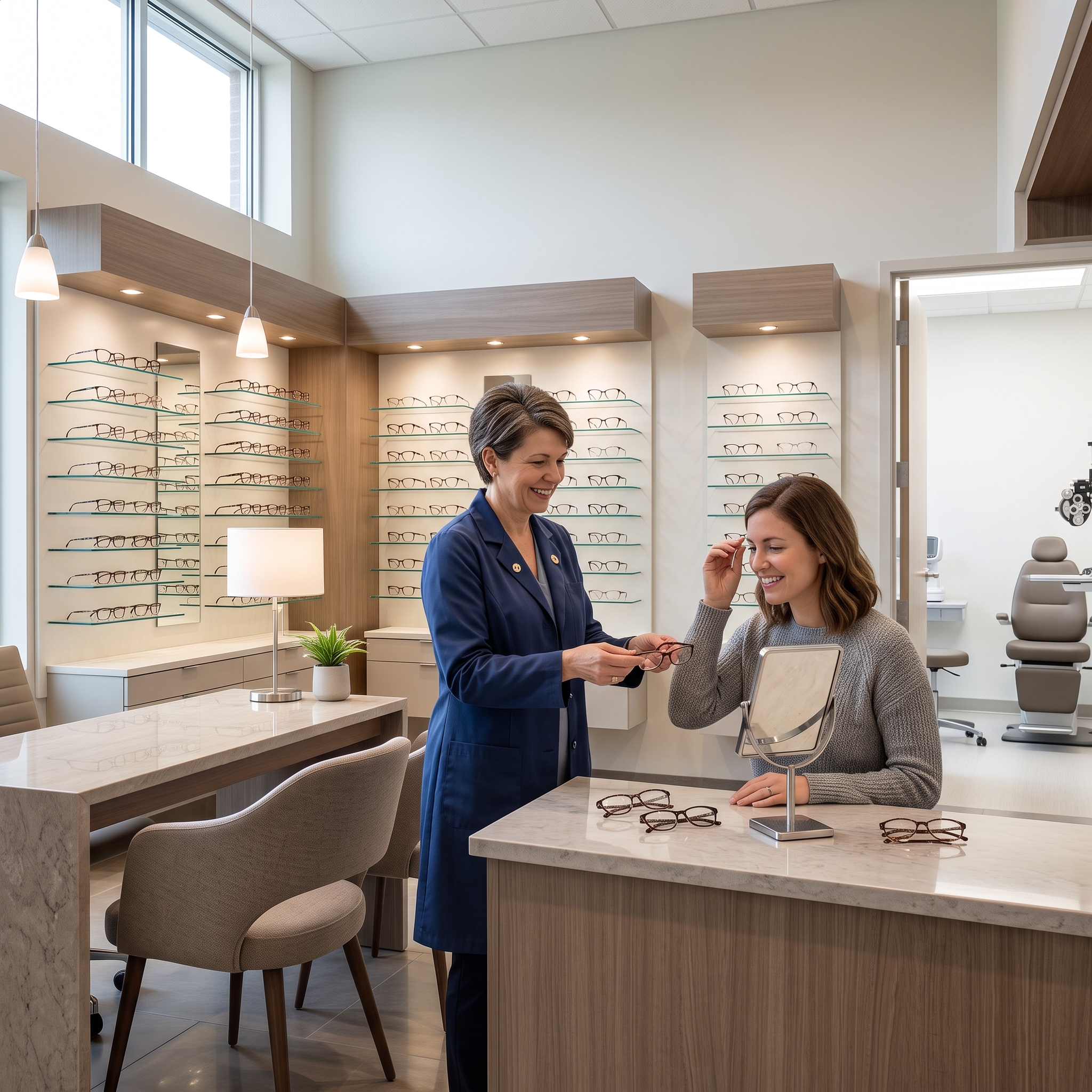
- Help you pick frames that suit your face
- Make sure your glasses fit right
The same goes for contact lenses. Optometrists are experts at fitting contacts, especially tricky ones.
Minor Eye Issues:
Optometrists treat everyday eye problems like:
- Dry eyes
- Red or itchy eyes
- Eye allergies
- Pink eye (conjunctivitis)
- Minor eye infections
Our team offers dry eye and allergy care to help you feel better fast.
Preventive Care:
Regular visits to your optometrist help catch problems early. They can spot signs of serious diseases like glaucoma or diabetes before you notice symptoms.
When to See an Ophthalmologist
You need an ophthalmologist when surgery or serious medical treatment is required.
Eye Surgery:
If you’re considering laser eye surgery (like LASIK), an ophthalmologist is your point of contact.
Ophthalmologists perform:
- Cataract surgery
- LASIK and PRK
- Glaucoma surgery
- Retinal surgery
- Corneal transplants
Serious Eye Diseases:
Some eye conditions need an ophthalmologist’s expertise:
- Advanced glaucoma
- Macular degeneration
- Diabetic retinopathy
- Retinal detachment
- Eye tumors
Eye Injuries and Emergencies:
Go to an ophthalmologist right away if you have:
- Sudden vision loss
- Severe eye pain
- Eye trauma or injury
- Something is stuck in your eye
- Chemical burns
- Sudden flashes of light or floaters
Complex Medical Conditions:
If your eye problem is linked to other health issues, an ophthalmologist can provide specialized care. They work closely with other doctors to manage conditions affecting your eyes.
How Optometrists and Ophthalmologists Work Together
These eye doctors team up to give you the best care possible.
The Referral Process:
Your optometrist acts as your first line of defense. During a routine exam, they might spot early signs of cataracts or other serious problems. When that happens, they’ll refer you to an ophthalmologist.
Shared Patient Care:
For chronic eye diseases, you might see both doctors. Your optometrist monitors your condition with regular checkups. Your ophthalmologist steps in if you need surgery or advanced treatment.
This team approach means you always get the right level of care at the right time.
Choosing the Right Eye Doctor for Your Needs
Still not sure which doctor to see? Here’s a quick guide.
Start With These Questions:
Ask yourself:
- Do I need a routine checkup?
- Am I having vision problems?
- Has it been more than a year since my last exam?
If you answered yes to any of these, start with an optometrist.
Consider Your Health History:
Think about your risk factors:
- Do you have diabetes or high blood pressure?
- Does eye disease run in your family?
- Are you over 40?
These factors mean you need more frequent eye exams. Your optometrist can guide you on when to see an ophthalmologist.
Listen to Your Eye Doctor:
Trust your optometrist’s advice. If they suggest seeing an ophthalmologist, follow through. They’re looking out for your eye health.
Finding the Right Practice:
Look for a practice that offers:
- Experienced doctors
- Modern equipment
- Convenient location
- Good insurance coverage
- Friendly staff
At Hampden Optical, we’ve served Mechanicsburg since 1996. Our expert team combines quality care with over 800 designer frames.
Common Questions About Eye Doctors
Can an Optometrist Do Everything an Ophthalmologist Does?
No. While optometrists handle most eye care needs, only ophthalmologists can perform surgery. However, optometrists can manage many medical eye conditions with medication.
Do I Need a Referral to See an Ophthalmologist?
Not always. You can usually schedule directly with an ophthalmologist. However, seeing your optometrist first often makes sense—they know your eye history and can recommend the right specialist.
Which Eye Doctor Should I See for an Eye Exam?
For a routine eye exam, either doctor works fine. For many people whose eyes are generally healthy and require only routine eye exams, an optometrist or an ophthalmologist is qualified to handle their needs. Most people choose an optometrist because appointments are easier to get and usually cost less.
How Often Should I Get My Eyes Checked?
The American Academy of Ophthalmology recommends that all adults have an eye exam with an ophthalmologist once in their 20s and twice in their 30s. After age 40, get checked every one to two years.
What About Opticians?
Opticians aren’t eye doctors. They’re trained to fit and adjust eyeglasses based on your prescription. They’re the friendly folks who help you pick out frames and make sure your glasses fit perfectly.
What Happens During an Eye Exam
Understanding what to expect can ease any worries about your visit.
With an Optometrist:
A typical eye exam includes:
- Health History: Your doctor asks about your vision, health, and family history
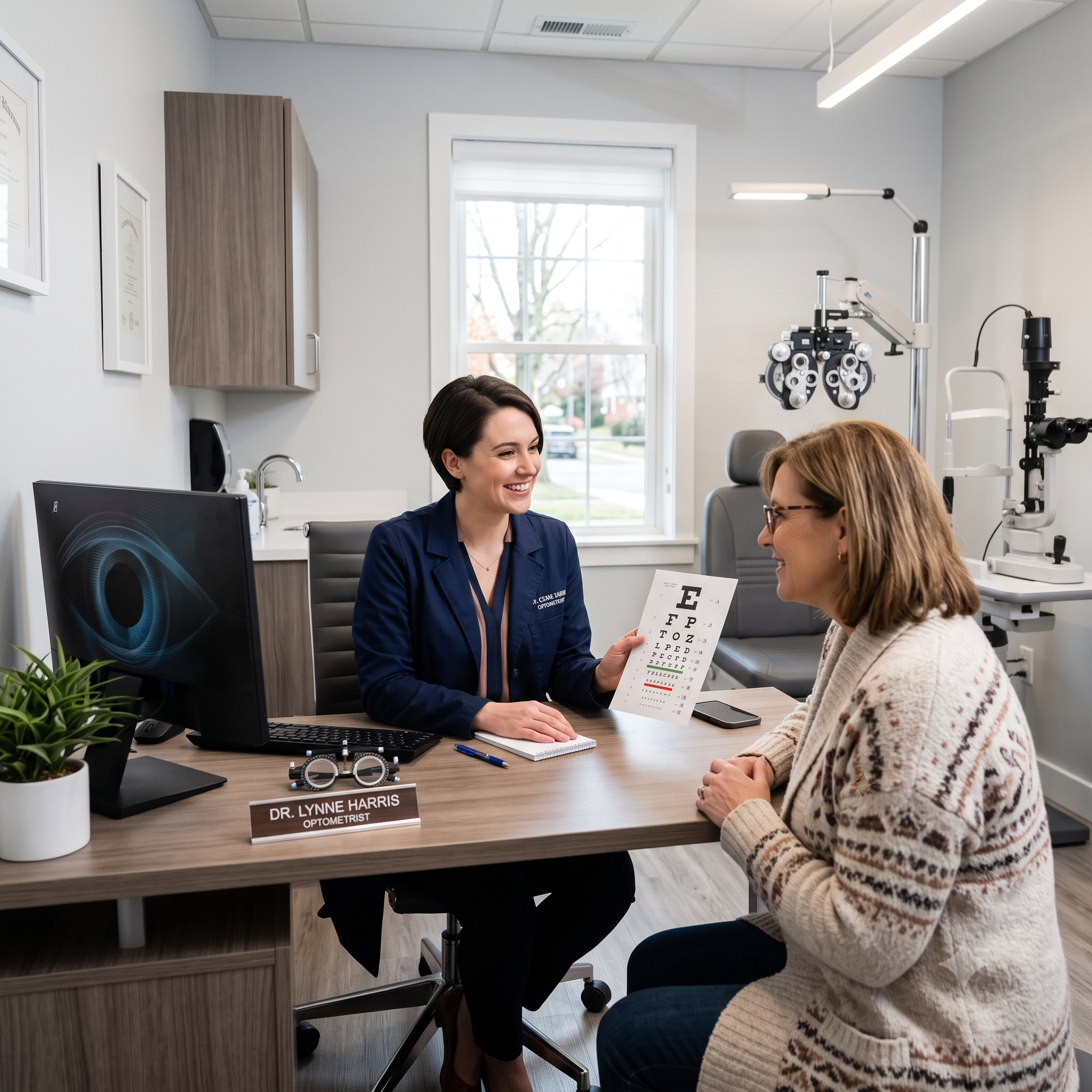
- Vision Tests: You read letters on a chart to check your eyesight
- Eye Pressure Test: A quick puff of air or gentle probe checks for glaucoma
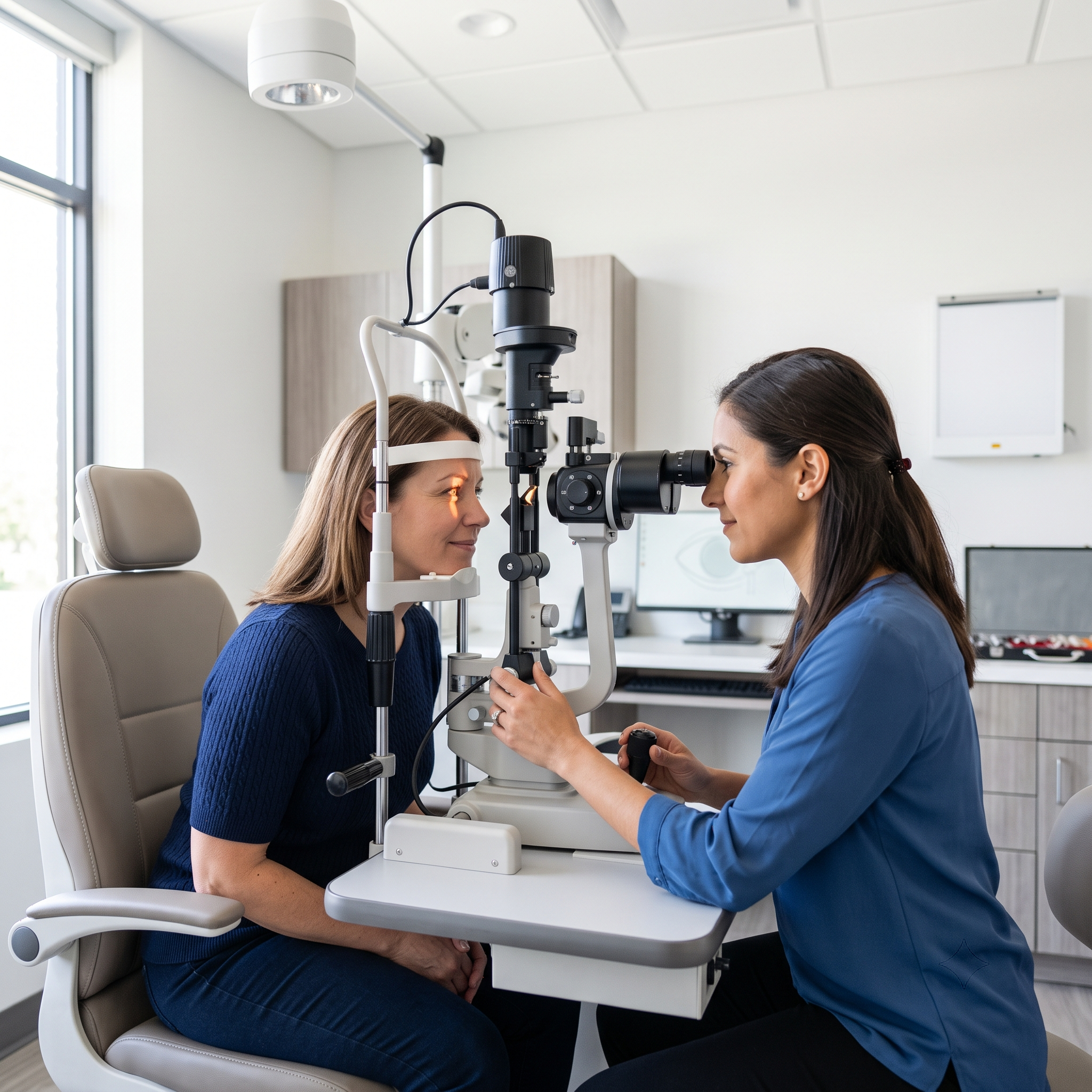
- Pupil Dilation: Special drops widen your pupils so the doctor can see inside your eyes
- Discussion: Your doctor explains the results and answers questions
With an Ophthalmologist:
Ophthalmologist exams are similar but might include more detailed testing if you have a serious condition or need surgery.
Taking Care of Your Eyes
Your eyes deserve the best care. Here are some simple tips:
- Get regular eye exams based on your age
- Wear sunglasses to protect against UV rays
- Take breaks when using computers or phones
- Eat a healthy diet rich in vitamins
- Don’t smoke—it increases your risk of eye disease
- Wear safety glasses when needed
Visit our page on protecting your eyes from harmful blue light for more tips.
Final Thoughts
Knowing when to see an optometrist vs an ophthalmologist doesn’t have to be confusing. Remember this simple rule: optometrists handle routine care and minor problems, while ophthalmologists perform surgery and treat serious conditions.
For most people, starting with an optometrist makes perfect sense. They’ll guide you through regular checkups, prescribe glasses or contacts, and refer you to an ophthalmologist when needed. This partnership ensures your eyes get the care they need at every stage.
Don’t wait for problems to develop. Schedule your eye exam today. Whether you need new glasses, a routine checkup, or treatment for an eye condition, the right eye doctor can help you see clearly and stay healthy.
Ready for your next eye exam? Contact Hampden Optical in Mechanicsburg, PA. Our experienced team is here to help you with all your vision needs.