Glaucoma often has no early warning signs at all — and that’s exactly what makes it so dangerous. Most people with the most common type feel nothing and see nothing wrong until real damage has already happened. But knowing the subtle clues — and getting regular eye exams — can save your sight.
This article covers the key warning signs to watch for, which type of glaucoma causes which symptoms, and when to act fast.
Why Glaucoma Is Called the “Silent Thief of Sight”
Glaucoma is a group of eye diseases that damage the optic nerve and lead to vision loss. It typically causes vision loss over such a long period of time that you don’t notice the changes to your vision.
That slow creep is what makes it so tricky. You feel fine. You see fine — at first. But inside the eye, pressure is quietly damaging the nerve that connects your eye to your brain.
No current treatments can reverse damage from the condition, let alone vision loss. That’s why catching it early matters so much.

Who Is Most at Risk?
Some people face a higher chance of developing glaucoma. These include:
- Anyone over age 60
- African Americans and Hispanic Americans (risk starts earlier, around age 40)
- People with a family history of glaucoma
- Those with high eye pressure or thin corneas
- Anyone who has had a serious eye injury
Anyone over the age of 60 is at a higher risk for developing glaucoma, but for African Americans, this increased risk begins around the age of 40.
The Most Common Early Warning Signs
Loss of Side (Peripheral) Vision
Gradual loss of peripheral vision, often in both eyes, is typically the earliest sign of glaucoma. You might notice that you can’t see objects out of the corner of your eye as well as you used to.
The tricky part? This happens so slowly that most people don’t notice it. Your brain fills in the gaps and tricks you into thinking everything looks normal.
Blurred Vision
Blurred vision episodes of hazy or unclear vision may indicate rising eye pressure. This is more common in angle-closure glaucoma, where pressure rises quickly and blurred vision can come on fast.
Halos Around Lights
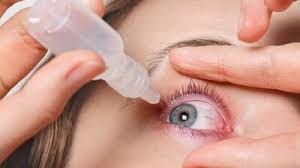
Seeing rainbow-colored rings around streetlights or headlights at night? That’s worth paying attention to. Seeing halos around lights — if you see rainbow-colored circles around lights or are unusually sensitive to light — could be a sign of an acute attack of glaucoma in which the pressure is high and the cornea becomes swollen, causing halos.
Eye Pain or Pressure
Most forms of glaucoma cause no pain. But angle-closure glaucoma is different. Severe eye pain, headaches, or aching around the brow area can be warning signs of angle-closure glaucoma, a less common but serious form of glaucoma.
Nausea or Vomiting With Eye Symptoms
This one surprises people. Nausea or vomiting — especially when it accompanies severe eye pain — can be a warning sign of glaucoma. If you feel sick and your eye hurts at the same time, don’t wait. This is a medical emergency.
Open-Angle vs. Angle-Closure: Two Very Different Experiences
| Feature | Open-Angle Glaucoma | Angle-Closure Glaucoma |
|---|---|---|
| Speed | Slow and gradual | Can be sudden |
| Pain | Usually none | Often severe |
| Halos | Rare early on | Common during attack |
| Warning signs | Very few | More noticeable |
| Emergency? | No (but urgent) | Yes |
Primary open-angle glaucoma is the most common type. The condition develops slowly, and few obvious symptoms occur at its earliest stages.
Angle-closure glaucoma is rarer but hits fast. Some early symptoms of an attack may include blurred vision, halos, mild headaches, or eye pain. People with these symptoms should be checked by their ophthalmologist as soon as possible.
When It’s a Medical Emergency
If you have sudden, severe eye pain plus blurry vision, halos, nausea, or sudden vision loss — go to the emergency room right away. Angle-closure glaucoma is a medical emergency that requires immediate treatment. If left untreated, it can cause permanent vision loss within hours or days.
Don’t drive yourself. Call someone or call 911.
Why Regular Eye Exams Are Your Best Defense
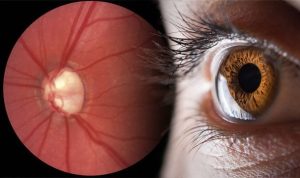
Here’s the hard truth: you cannot rely on symptoms alone to catch glaucoma early. A thorough eye exam helps diagnose glaucoma. Eye exams can assess damage to the optic nerve, even during early stages of the condition.
Adults should have a complete eye exam around age 40, when early signs of eye disease often begin. If you have risk factors, your ophthalmologist may recommend more frequent exams.
A comprehensive eye exam checks your eye pressure, examines your optic nerve, and tests your side vision — all things you can’t check yourself at home.
At Hampden Optical, our team uses thorough testing to catch problems before you notice them. You can also explore our full range of eye care services to find what’s right for you.
Final Thoughts
Glaucoma rarely announces itself. Most of the time, it moves quietly — taking your side vision bit by bit — until it’s hard to ignore. By then, damage has been done.
The good news is that early detection works. Treatment can slow or stop the disease in its tracks. But only if you catch it in time.
Don’t wait until something feels wrong. Schedule a comprehensive eye exam today. Your future self will thank you.
For more on protecting your eyes, check out the American Academy of Ophthalmology’s glaucoma guide and the Glaucoma Research Foundation for trusted, up-to-date information.