Yes, glaucoma can happen at a young age, and the early symptoms are often hard to spot. That is the scary part. Most people do not feel pain or notice changes until real damage has already been done to the eye.
This article will walk you through the early signs of glaucoma, who is most at risk, and why catching it early can save your sight. Let’s start from the beginning.
What Is Glaucoma?
Glaucoma is a group of eye diseases that hurt the optic nerve. The optic nerve sends what you see to your brain. When this nerve gets damaged, you start to lose your vision. And once that vision is gone, it does not come back.
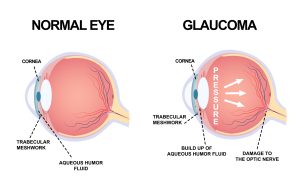
Most of the time, glaucoma builds up pressure inside the eye. This is called intraocular pressure (IOP). That pressure slowly crushes the optic nerve over time. Think of it like a slow leak in a garden hose — you might not notice until the pressure is really gone.
According to the National Eye Institute, glaucoma is one of the leading causes of blindness for people over 60. But it can hit much younger, too.
What Are the Symptoms of Glaucoma in Early Age?
The Silent Start
The most common type is called open-angle glaucoma. In the early stages, there are almost no symptoms. No pain, no blurry vision, nothing. People walk around without knowing their optic nerve is being damaged bit by bit.
This is why glaucoma is called “the sneak thief of sight.” By the time you notice something is wrong, you may have already lost a big chunk of your peripheral (side) vision.
First Stage Early Stage Glaucoma Eyes — What to Watch For
While early glaucoma is often silent, some people do notice small things. Here are the most common early glaucoma signs and symptoms:
- Slight loss of side vision (peripheral vision)
- Halos or rainbow-colored rings around lights at night
- Mild eye pressure or a heavy feeling in the eye
- Headaches, especially above the eyes
- Trouble adjusting from dark to light spaces
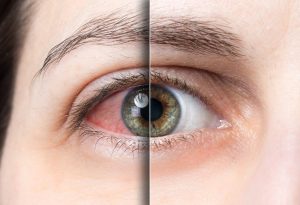 These signs are easy to miss or blame on other things like tiredness or screen time.
Visual Symptoms of Glaucoma That Are Harder to Ignore
As glaucoma gets worse, the visual symptoms of glaucoma become clearer. You may notice:
- Tunnel vision — seeing only what is straight ahead
- Glaucoma blurry vision, especially at the edges
- Difficulty driving at night
- Seeing things like they are behind a foggy window
At this stage, the damage is already moderate. This is why early eye exams matter so much.
Eye Diseases: Glaucoma Symptoms vs. Other Conditions
It can be hard to tell glaucoma apart from other eye diseases. Glaucoma symptoms like blurry vision or halos can also happen with cataracts or migraines. Here is a simple table to help:
| Symptom | Glaucoma | Other Eye Issues |
|---|---|---|
| Halos around lights | Yes | Cataracts too |
| Loss of side vision | Yes (main sign) | Not usually |
| Eye pain | With acute type | Varies |
| Blurry vision | Yes | Yes |
Glaucoma Age: Can Young People Really Get It?
Glaucoma in Children and Teens
Yes, it happens. Juvenile open-angle glaucoma can affect teens and young adults. It is rare, but it is real. Babies can even be born with it. This is called congenital glaucoma.
The Glaucoma Research Foundation notes that juvenile glaucoma often runs in families. If a parent has it, a child has a higher chance of developing it.
 Glaucoma in Young Adults (20s–40s)
This is more common than most people think. Young adults with high eye pressure, thin corneas, or a family history are at risk. Many go undiagnosed for years because they feel fine and skip eye exams.
Getting a comprehensive eye exam is the best way to catch it early. Our team checks for glaucoma and other serious eye conditions before symptoms even appear.
Glaucoma Optic Nerve vs. Normal: What the Difference Looks Like
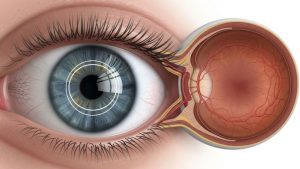
Your eye doctor looks at your optic nerve through a special tool. A healthy optic nerve looks like a small pink donut with a tiny hole in the middle. This hole is called the “cup.”
With glaucoma, the cup gets bigger. Doctors call this an increased “cup-to-disc ratio.” It means the nerve tissue is shrinking because of pressure or poor blood flow. A glaucoma optic nerve vs. normal comparison can reveal damage — even before symptoms appear.
The American Academy of Ophthalmology explains that optic nerve imaging is one of the key tools for early detection.
Glaucoma With Low Pressure: The Hidden Type
Here is something surprising. Not all glaucoma comes with high eye pressure. Some people have normal-tension glaucoma. Their eye pressure is in the normal range, but they still get optic nerve damage.
Glaucoma with low pressure is harder to catch because standard pressure tests come back normal. Doctors need to look deeper — at blood flow, nerve imaging, and visual field tests.
Glaucoma Sight Loss: Is It Reversible?
This is the hard truth: glaucoma sight loss is permanent. Once the optic nerve is damaged, that vision is gone. No surgery or medicine can bring it back.
But here is the good news. With early treatment, you can slow or stop the damage. Eye drops, laser therapy, or surgery can all help keep pressure in check. The earlier you act, the more vision you protect.
 Risk Factors That Raise Your Chances
- Family history of glaucoma
- Being of African, Hispanic, or Asian descent
- High eye pressure
- Thin corneas
- Diabetes or high blood pressure
- History of eye injury
- Long-term steroid use
Even if you feel great, these risk factors mean you should get tested more often.
When to See an Eye Doctor
If you are under 40 with no risk factors, an exam every 2 to 4 years is a good start. If you have risk factors, go every 1 to 2 years. Over 40? Yearly exams are the smart move.
You can visit our FAQs page for more answers about what to expect during an eye exam.
If you suddenly notice eye pain, severe blurry vision, nausea, or halos around lights — do not wait. Seek care right away. These can be signs of acute angle-closure glaucoma, which is a medical emergency.
Final Thoughts
Glaucoma is sneaky. It creeps in slowly, and by the time most people notice something is off, real damage has already been done. The best defense? Regular eye exams, especially if you have risk factors.
You do not have to wait until something feels wrong. Catching first stage early stage glaucoma eyes before it steals your sight is entirely possible — with the right care and check-ups.
Ready to protect your vision? Visit our services page or contact us to book your comprehensive eye exam today. Your future self will thank you.