The four most common eye problems are cataracts, glaucoma, age-related macular degeneration, and diabetic retinopathy. These conditions affect millions of Americans and become more likely as we get older. The good news? Most can be treated or managed when caught early.
This guide explains what these eye problems are, how to spot them, and what you can do to protect your vision. We’ll also cover some other issues many people face and why regular eye exams are so important.
Understanding the Four Main Eye Problems
Cataracts: When Your Lens Gets Cloudy:
Cataracts happen when the clear lens inside your eye becomes foggy or cloudy. Think of it like looking through a dirty window. Over time, this cloudiness makes it harder to see clearly.
What Causes Cataracts?
Your eye’s lens is usually clear like glass. As you age, proteins in the lens start to clump together. This creates cloudy spots that block light from passing through properly. Most cataracts develop slowly over many years.
Cataracts currently affect more than 24 million Americans over age 40, making them one of the most widespread vision problems in older people.
Signs You Might Have Cataracts:
Watch for these warning signs:
- Blurry or foggy vision
- Colors look faded or yellowish
- Trouble seeing at night
- Glare from lights, especially when driving
- Seeing halos around bright lights
- Needing brighter light for reading
How Doctors Treat Cataracts:
In the early stages, stronger glasses might help. But as cataracts grow, surgery becomes the best option. The good news is that cataract surgery works really well. Your doctor removes the cloudy lens and replaces it with a clear artificial one.
At Hampden Optical, our team can help you find the right eyewear before and after cataract surgery.
Glaucoma: The Silent Vision Thief
Glaucoma damages the nerve that connects your eye to your brain. It’s called the “sneak thief of sight” because most people don’t notice anything wrong until they’ve already lost some vision.
Why Does Glaucoma Happen?
Usually, glaucoma starts when fluid builds up inside your eye. This creates pressure that slowly damages your optic nerve. The most common type develops gradually over the years.
Glaucoma affects an estimated 2.7 million Americans aged 40 or older, and many don’t even know they have it.
Spotting Glaucoma Early:
The tricky thing about glaucoma is that it often has no early symptoms. That’s why regular eye exams are so important. Your eye doctor can check your eye pressure and look for damage before you notice problems.
Late-stage symptoms include:
- Losing side vision (like looking through a tunnel)
- Blurry spots in your vision
- Trouble seeing in dim light
Some people get a rare type called acute glaucoma. This is an emergency! Symptoms come on suddenly:
- Severe eye pain
- Intense headache
- Blurry vision
- Seeing rainbow-colored rings around lights
- Nausea or vomiting
If you have these symptoms, get help right away.
Managing Glaucoma:
Glaucoma can’t be cured, but it can be controlled. Treatment options include:
- Eye drops to lower pressure
- Laser treatment to help fluid drain
- Surgery to create new drainage paths
The key is catching it early through comprehensive eye exams.
Age-Related Macular Degeneration: Losing Your Central Vision
Age-related macular degeneration (AMD) affects the center part of your retina called the macula. This is the area that helps you see fine details clearly.
AMD affects approximately 19.83 million Americans, making it a leading cause of vision loss in people over 60.
Two Types of AMD:
Dry AMD is the more common type. It develops slowly as the macula gets thinner with age. Dry AMD accounts for 70-90% of AMD cases and usually affects both eyes.
Wet AMD is less common but more serious. It happens when abnormal blood vessels grow under the retina and leak fluid. This can cause rapid vision loss.
What AMD Feels Like:
AMD doesn’t hurt, but it changes how you see:
- Blurry central vision
- Straight lines look wavy or bent
- Dark or blank spots in the center of your vision
- Colors seem less bright
- Trouble recognizing faces
- Difficulty reading or driving
Treatment Options for AMD:
For dry AMD, special vitamins can help slow the disease in some people. For wet AMD, doctors use injections to stop abnormal blood vessels from growing.
Early detection makes a huge difference. Regular eye exams help catch AMD before it steals too much vision.
Diabetic Retinopathy: When Diabetes Affects Your Eyes:
If you have diabetes, high blood sugar can damage the tiny blood vessels in your retina. This condition is called diabetic retinopathy.
Diabetic retinopathy is the leading cause of blindness in American adults of working age. But here’s the good news: 90% of diabetes-related blindness is preventable with proper care.
How Diabetic Retinopathy Develops:
The disease happens in stages:
- Mild stage: Tiny bulges form in blood vessels
- Moderate stage: Some vessels get blocked
- Severe stage: More vessels are blocked, triggering new vessel growth
- Advanced stage: New vessels are weak and leak, causing serious damage
Warning Signs to Watch For:
Many people have no symptoms in the early stages. As it gets worse, you might notice:
- Blurry or changing vision
- Floaters (dark spots or strings)
- Dark or empty areas in your vision
- Trouble seeing colors
- Vision loss
Protecting Your Eyes from Diabetic Retinopathy:
The best defense is controlling your diabetes. Keep your blood sugar, blood pressure, and cholesterol in healthy ranges.
Get your eyes checked at least once a year if you have diabetes. Early treatment with laser therapy or injections can save your vision.
Other Common Eye Issues You Should Know About
Refractive Errors: The Most Common Vision Problems:
Refractive errors are the most frequent eye problems in the United States, affecting more than 150 million Americans. These happen when light doesn’t focus correctly on your retina.
The Four Main Types:
Nearsightedness (Myopia): You see close objects clearly, but things far away look blurry. Myopia affects 34 million people across the United States.
Farsightedness (Hyperopia): Distant objects are clear, but nearby things are blurry. This affects over 14 million people.
Astigmatism: Your cornea has an uneven shape, making everything look blurry or distorted. About one in four people has astigmatism.
Presbyopia: As you age (usually after 40), your lens loses flexibility. This makes it hard to focus on close objects like books or phone screens.
Fixing Refractive Errors:
The good news? These problems are easy to fix with glasses, contact lenses, or prescription eyeglasses. Some people choose laser surgery, like LASIK.
Dry Eye and Other Minor Issues:
Not all eye problems are serious. Many people deal with:
- Dry eyes: Your eyes don’t make enough tears, or the tears dry up too fast
- Eye strain: From too much screen time or reading
- Red eyes: Often from tiredness, allergies, or minor irritation
- Floaters: Small specks or threads that drift across your vision
These issues are usually not dangerous, but they can be annoying. Visit Hampden Optical if these problems don’t go away or get worse.
Who’s at Risk for Eye Problems?
Certain things make you more likely to develop vision issues:
Age-Related Risk:
As we get older, eye problems become more common. By 2050, age-related macular degeneration and glaucoma are expected to double. Most people over 65 will deal with some vision changes.
Family History Matters:
Many eye conditions run in families. If your parents or siblings have glaucoma, cataracts, or macular degeneration, your risk goes up.
Health Conditions:
Some health problems increase your risk:
- Diabetes Greatly raises your risk of diabetic retinopathy, cataracts, and glaucoma
- High blood pressure: Can damage blood vessels in your eyes
- High cholesterol: May contribute to retinal problems
Lifestyle Factors:
Your daily habits affect your eye health:
- Smoking: Doubles your risk of cataracts and AMD
- Too much sun: UV rays can damage your eyes over time
- Poor diet: Not getting enough vitamins and minerals
- Not wearing safety glasses Puts you at risk for eye injuries
When Should You See an Eye Doctor?
Regular eye exams are your best protection against vision loss. Here’s when to schedule an appointment:
Routine Check-Ups:
- Ages 18-60: Every two years, if your eyes are healthy
- Over 60: Every year
- Have diabetes or a family history of eye disease: Every year, even if you’re younger
Warning Signs That Need Immediate Attention:
Call your eye doctor right away if you have:
- Sudden vision loss or changes
- Severe eye pain
- Flashes of light or many new floaters
- A dark curtain or shadow over your vision
- Redness and discharge that won’t go away
At Hampden Optical, we offer thorough eye exams to catch problems early.
How to Keep Your Eyes Healthy
Taking care of your eyes doesn’t have to be complicated. Try these simple steps:
Eat for Your Eyes:
Foods rich in vitamins A, C, and E help protect your vision. Good choices include:
- Leafy greens like spinach and kale
- Carrots and sweet potatoes
- Fish high in omega-3s (salmon, tuna)
- Nuts and seeds
- Citrus fruits and berries
Protect Your Eyes from Harm:
- Wear sunglasses that block UV rays.
- Use safety glasses when doing yard work or projects.
- Give your eyes breaks from screens (follow the 20-20-20 rule: every 20 minutes, look at something 20 feet away for 20 seconds)
- Don’t smoke
Manage Your Overall Health:
Keep your blood sugar, blood pressure, and cholesterol under control. Exercise regularly and maintain a healthy weight.
Get Regular Eye Exams:
This is the single most important thing you can do. Many serious eye problems have no symptoms until damage is done. Regular exams catch issues when they’re easier to treat.
Understanding Eye Exam Results
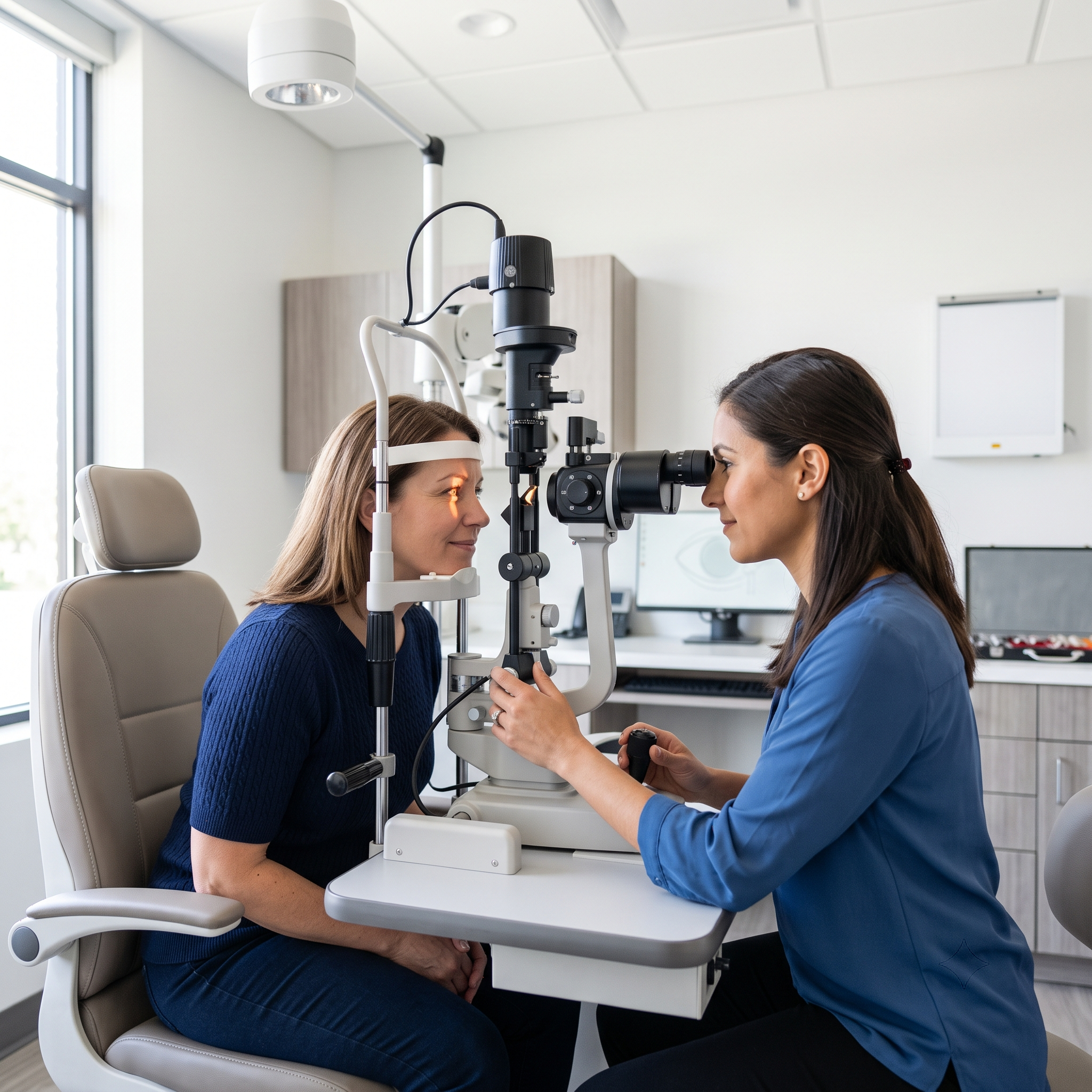
When you visit an eye doctor, they check several things:
- Vision test: Measures how clearly you see at different distances
- Eye pressure check: Screens for glaucoma
- Pupil dilation: Allows the doctor to see inside your eye
- Retina examination: Checks for damage or disease
Your doctor will explain what they find and whether you need treatment or just monitoring.
The Cost of Ignoring Eye Problems
Vision problems cost the United States over $145 billion annually, and that number keeps growing. But the real cost is personal – losing your ability to drive, read, work, or see your loved ones’ faces clearly.
The good news? Most vision loss is preventable with early detection and treatment.
Final Thoughts
The four most common eye problems – cataracts, glaucoma, macular degeneration, and diabetic retinopathy – affect millions of people. But you don’t have to be one of them.
Remember these key points:
- Get regular eye exams, especially after age 40
- Know your family history of eye disease
- Control diabetes, blood pressure, and cholesterol
- Protect your eyes from the sun and injury
- Don’t ignore warning signs like blurry vision or eye pain
Your vision is precious. Take care of it by staying informed and getting checked regularly. Whether you need comprehensive eye exams, prescription eyeglasses, or treatment for dry eye and other conditions, professional care makes all the difference.
Schedule your eye exam today. Your future self will thank you for taking action now.