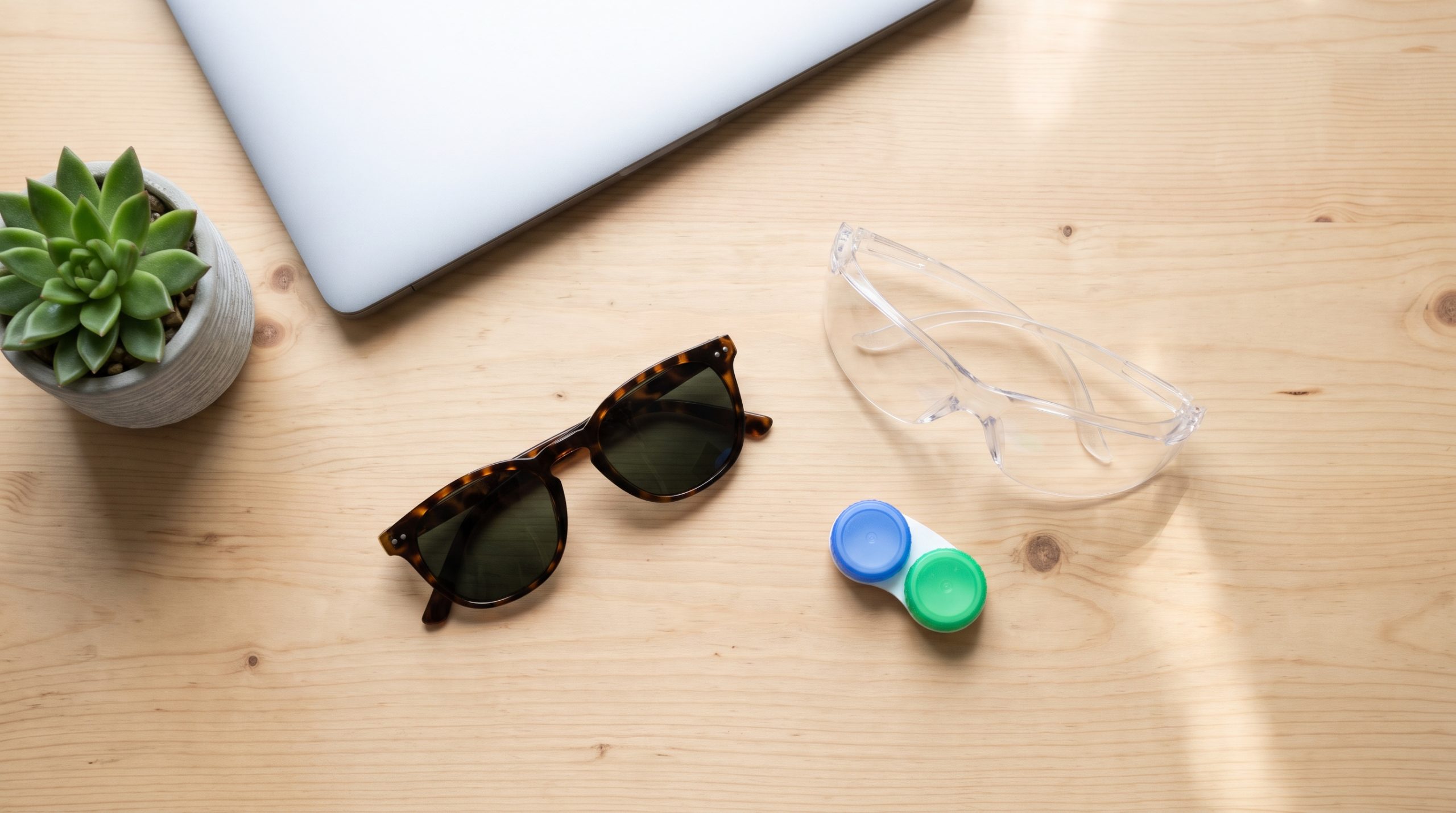
Protecting your eyes in Mechanicsburg, PA is a combination of daily habits, environmental awareness, and the kind of consistent preventive care that preserves vision across decades rather than simply managing problems as they appear. Most of the factors that cause the leading vision-threatening conditions including cataracts, macular degeneration, glaucoma, and diabetic retinopathy are either directly influenced by lifestyle choices or significantly affected by how well systemic health conditions are managed. According to the University of Utah’s Moran Eye Center, most vision problems seen every day are influenced by habits people can change. This guide covers every major protection category so Mechanicsburg and Central Pennsylvania residents have a clear, practical framework for daily eye care.
UV Protection: The Most Overlooked Daily Habit
Ultraviolet radiation is one of the most consistently documented environmental risk factors for eye disease, and it is one of the most straightforwardly preventable through a single daily habit: wearing sunglasses with full UV protection every time you go outdoors.
According to the American Academy of Ophthalmology, wearing sunglasses that block 100 percent of UVA and UVB rays can help protect your eyes from harmful sun exposure. UV exposure accumulates over a lifetime, and the damage is cumulative and irreversible. The cataracts and macular degeneration that develop in the fifth, sixth, and seventh decades of life are partly the product of UV exposure that began in childhood and continued across every year of outdoor activity.
The most important specification to look for when selecting sunglasses is the UV protection rating, not the lens color or darkness. A dark lens without UV protection allows the pupil to dilate in reduced light while failing to block the UV radiation that the darker appearance suggests is being filtered. Look for sunglasses labeled 100 percent UV protection or UV400, which indicates that lenses block ultraviolet wavelengths up to 400 nanometers, covering the full UVA and UVB spectrum.
Wraparound styles provide additional protection by reducing the UV radiation that enters from the sides. A wide-brimmed hat worn alongside UV-protective sunglasses reduces exposure further by limiting the direct overhead UV load that reaches the eyes from above the lens. According to the Moran Eye Center, UV damage builds up over your lifetime, even on cloudy days. Wearing protection early really matters, and protection on overcast days is as important as on clear ones because UV radiation penetrates cloud cover.
For contact lens wearers, some contact lens products now incorporate UV blocking into the lens material. This provides supplemental UV protection for the portion of the eye covered by the lens but does not replace sunglasses, which are needed for the broader area of the eye and surrounding tissue.
Hampden Optical serves Mechanicsburg and surrounding Central Pennsylvania communities with eyewear including UV-protective sunglasses across more than 800 frame options. Dr. David Paden OD, who completed a residency in referral-based optometry with an emphasis in ocular disease, leads the clinical side alongside owners Noelle and Michele, board certified opticians with more than 25 years of experience each.
Screen Time and Digital Eye Strain
Digital screens are among the most significant sources of daily eye discomfort for adults and increasingly for children across Mechanicsburg and Central Pennsylvania. The condition commonly called digital eye strain, or computer vision syndrome, affects a substantial proportion of regular screen users and produces symptoms including dry eyes, eye fatigue, headaches, blurred vision at the end of the day, and difficulty focusing after extended screen sessions.
The primary cause of digital eye strain is not the screens themselves but the sustained near focus they demand combined with reduced blink rate. Humans blink approximately 15 to 20 times per minute during normal activity and significantly less during concentrated screen use. Reduced blinking allows the tear film to evaporate more rapidly, producing the dryness and surface irritation that many screen users experience as the day progresses.
The most widely recommended and evidence-supported intervention is the 20-20-20 rule. Every 20 minutes of screen use, look at something at least 20 feet away for 20 seconds. This brief shift in focal distance allows the ciliary muscle inside the eye, which adjusts the lens shape for near focus, to relax momentarily. Practiced consistently throughout the workday, this habit significantly reduces the cumulative eye muscle fatigue that produces end-of-day blurred vision and headaches.
Screen positioning affects eye strain in ways that are easy to adjust. Position the screen approximately arm’s length from the face and slightly below eye level. A monitor positioned above eye level requires the eye to open wider to see the full screen, which increases tear film evaporation. Adjust screen brightness to match the ambient light level of the room rather than using maximum brightness in a dim environment.
According to Acibadem International Hospital’s eye health guide, dryness is especially common during screen time and can be addressed through regular blinking exercises, preservative-free artificial tear drops used as needed, and environmental adjustments including humidifier use in dry indoor environments. Central Pennsylvania’s winter heating season produces low indoor humidity that compounds screen-related dryness.
Blue light filtering lenses are a commonly discussed intervention for screen-related eye strain. The current evidence on blue light as a direct cause of eye strain or retinal damage is mixed, and the AAO does not recommend blue light glasses specifically for eye protection. The primary benefits most users report from blue light filtering lenses relate to comfort rather than protection. If you are considering them, discussing the specific evidence with your optometrist during a comprehensive eye exam produces a more informed decision than selecting them based on marketing alone.
Diet and Nutrition for Long-Term Eye Health
What you eat has a direct and documented effect on the risk of developing the major age-related eye diseases including macular degeneration and cataracts. The existing published research on diet and eye disease is strong enough that the National Eye Institute has funded multiple large clinical trials specifically examining nutritional interventions for eye disease risk reduction.
Lutein and zeaxanthin are carotenoid pigments that concentrate in the macula and lens and that serve as natural blue light filters and antioxidants. According to the NEI’s Age-Related Eye Disease Study 2, supplementation with lutein and zeaxanthin in patients with intermediate AMD significantly reduced the risk of progression to advanced AMD. Dietary sources include dark leafy greens including kale, spinach, and collard greens, as well as eggs, corn, and orange bell peppers.
Omega-3 fatty acids, particularly the long-chain forms DHA and EPA found in oily fish, support the structure of the retina and reduce the inflammatory pathways associated with dry eye disease. According to Capital Blue Cross’s eye health resource, the National Eye Institute identifies omega-3 fatty acids from sources including fatty fish as supportive of eye health and protective against certain forms of age-related eye disease.
Vitamins C and E function as antioxidants that protect the lens and retinal cells from oxidative damage. Vitamin C is concentrated in the lens at levels significantly higher than in blood, suggesting an active protective role in maintaining lens clarity. Foods rich in vitamin C include citrus fruits, strawberries, bell peppers, and broccoli. Vitamin E sources include nuts, seeds, and vegetable oils.
Zinc supports the function of enzymes that protect against oxidative damage in the retina. The highest concentration of zinc in the human body is found in the eye, and deficiency has been associated with impaired night vision and accelerated AMD progression. Dietary zinc sources include oysters, beef, pumpkin seeds, and legumes.
A diet pattern that consistently provides these nutrients without requiring supplementation is a Mediterranean-style diet emphasizing vegetables, fruits, fish, legumes, and olive oil. Multiple population studies have found that adherence to Mediterranean dietary patterns is associated with reduced risk of age-related eye disease compared to diets high in refined carbohydrates and saturated fats.
The published “Nutrition to Improve Eyesight” post on this site covers the dietary detail further, and your optometrist can discuss nutritional considerations relevant to your specific eye health findings during your exam.
Protective Eyewear for Work and Sport
Eye injuries are among the most preventable causes of vision loss, and most occur in situations where appropriate protective eyewear was available but not being worn. According to Prevent Blindness, eye injuries serious enough to require treatment occur thousands of times each day in the United States, with workplace injuries and sport-related injuries together representing the majority of cases.
Occupational eye protection is legally required by OSHA standards for workers exposed to specific hazards, but the same protection logic applies to any task that produces flying particles, chemical splash, or intense light exposure regardless of employment context. Home improvement tasks including sawing, drilling, chipping, and grinding are among the most common causes of non-occupational eye injuries. Standard prescription glasses and safety glasses without impact-resistant polycarbonate lenses do not provide adequate protection for these activities. ANSI-rated safety glasses that meet the Z87.1 standard are the appropriate choice for any task with projectile risk.
Sport-related eye injuries are the most common cause of vision loss in school-age children and a significant source of serious injury in adults. Racket sports including squash, racquetball, and tennis, ball sports including basketball and soccer, and contact sports all carry documented eye injury risk. Polycarbonate sport goggles with appropriate ratings for the specific sport provide the protection that standard glasses do not. According to the AAO, athletes who do not wear eye protection are significantly more likely to experience sports-related eye injuries, and most of those injuries are preventable.
Laser pointer exposure deserves specific mention because it is both more dangerous than commonly understood and more common. Consumer-grade laser pointers and the higher-powered lasers available through online retail can cause permanent retinal damage with brief direct exposure. Eye protection appropriate for the specific laser class should be used in any setting where laser devices are in use, including educational demonstrations.
Sleep and Eye Health
Sleep is the period during which the eye’s surface tissues recover from the day’s exposure and stress. Inadequate or poor-quality sleep affects tear film quality, increases susceptibility to eye infections, and contributes to the eye fatigue and dryness that accumulate across multiple consecutive nights of insufficient rest.
According to research compiled by The Cataract Surgeons’ lifestyle guide for eye health, poor sleep patterns are associated with a meaningful increase in eye-related health issues. Establishing a consistent sleep schedule and limiting screen exposure in the hour before sleep supports both sleep quality and the overnight recovery processes that maintain corneal and retinal health.
For contact lens wearers, sleeping in lenses dramatically increases the risk of lens-related corneal infections by reducing oxygen to the cornea during the period when the eye is closed and corneal oxygen supply is already limited. Removing lenses before sleep is one of the most direct ways contact lens wearers can protect their corneal health over time.
Smoking and Eye Disease Risk
Smoking is one of the most strongly established modifiable risk factors for eye disease, and its association with AMD and cataracts specifically is supported by extensive research across multiple study populations.
According to the National Eye Institute, smoking significantly increases the risk of age-related macular degeneration, cataracts, and optic nerve damage from glaucoma. Smokers have approximately two to three times the risk of developing AMD compared to non-smokers, and the risk increases with the duration and intensity of smoking history. The mechanism involves both the direct toxic effects of smoke components on retinal cells and the reduction of circulating antioxidants that serve protective functions in the lens and macula.
The protective effect of quitting smoking is real and meaningful even after years of smoking history. Ex-smokers show progressively lower risk of AMD over time after quitting, with risk approaching that of lifetime non-smokers over years following cessation.
Managing Systemic Health Conditions That Affect the Eyes
Several chronic health conditions produce eye complications that are preventable or minimized through good systemic disease management alongside regular eye monitoring.
Diabetes is the systemic condition with the most direct and most severe eye complications. Diabetic retinopathy, the damage to retinal blood vessels caused by chronically elevated blood glucose, is the leading cause of new blindness in working-age adults in the United States. Tight blood glucose control significantly reduces the rate of retinopathy development and progression. Annual dilated eye exams are required for all patients with diabetes regardless of whether vision symptoms are present, because retinopathy can cause significant damage before any vision change is noticeable.
Hypertension produces changes in retinal blood vessels that are visible on examination and that reflect the same vascular damage occurring throughout the body. Blood pressure that is consistently well-controlled produces less retinal vascular change than poorly controlled hypertension. Regular eye monitoring provides both vision protection and a window into how well cardiovascular risk is being managed.
Autoimmune conditions including lupus, rheumatoid arthritis, and inflammatory bowel disease are associated with ocular complications including uveitis and dry eye. Some medications used to treat these conditions, including hydroxychloroquine, have documented ocular side effects that require periodic screening to detect early. Patients managing these conditions should discuss the appropriate eye monitoring schedule with both their optometrist and their prescribing physician.
Why Regular Eye Exams Complete the Protection Framework
Every protection habit described above reduces the risk of developing eye disease or injury but does not eliminate it. The conditions that cause the most irreversible vision loss develop without symptoms in their early stages, which means lifestyle protection alone is not sufficient. Regular comprehensive eye exams are what catch early changes before they progress.
According to the AOA’s 2024 updated guidelines, annual comprehensive eye exams are recommended for all adults 18 and older. The exam provides intraocular pressure measurements to screen for glaucoma, retinal evaluation to detect early AMD or diabetic changes, and the full range of clinical assessments that lifestyle habits alone cannot replace.
The FAQs page at Hampden Optical addresses common questions about what each type of exam covers and what insurance typically includes for residents across Mechanicsburg, Harrisburg, Carlisle, and surrounding Central Pennsylvania communities.
Final Thoughts
Protecting your eyes in Mechanicsburg, PA means combining UV protection every time you go outdoors, screen habits that reduce daily strain, a diet that provides the nutrients associated with lower risk of age-related disease, protective eyewear appropriate for work and sport, adequate sleep, avoiding smoking, and managing any systemic conditions that affect eye health. These habits address the most modifiable risk factors for the conditions that threaten vision across a lifetime.
None of these habits replaces the regular comprehensive eye exam that detects what lifestyle choices alone cannot prevent. The combination of protective daily habits and consistent clinical monitoring is what produces the best long-term vision outcomes.
To schedule a comprehensive eye exam with an experienced optometry team in Mechanicsburg that has served Central Pennsylvania for more than 25 years, contact Hampden Optical at 717-901-3939. Located at 4900 Carlisle Pike, Mechanicsburg, PA 17050. Open Monday through Friday, 9am to 5pm.