When you have diabetes, your eyes might feel dry, blurry, or tired. Some people notice a burning or gritty feeling. Others see dark spots floating in their vision. These feelings happen because high blood sugar can hurt the tiny blood vessels and nerves in your eyes. The good news is that catching these symptoms early can help protect your vision.
This guide will help you understand what diabetes does to your eyes and when you should see a doctor.
What Diabetes Does to Your Eyes?
High blood sugar causes damage to the tiny vessels at the back of your eyes, which bring blood to your retina. Your retina is the part of your eye that helps you see. Think of it like the screen of a camera.
When blood sugar stays high for a long time, it can:
- Damage to small blood vessels
- Hurt the nerves in your eyes
- Change how your eye lens works
- Reduce tear production
About one-third of adults with diabetes develop diabetic retinopathy, which is the main cause of vision loss in working adults.
Early Eye Symptoms With Diabetes
Blurry Vision That Comes and Goes:
High glucose can cause swelling in the tissues that help you focus. This makes things look fuzzy or blurry. Sometimes your vision clears up, then gets blurry again.
This happens because:
- Blood sugar levels go up and down
- Your eye lens swells with extra fluid
- The shape of your lens changes
The blurry vision often gets better when your blood sugar goes back to normal. It can take up to three months for your eyes to feel normal again after you get your sugar under control.
Dry, Gritty Eyes:
More than half of people with diabetes struggle with dry eye. Your eyes might feel like they have sand in them. Blinking doesn’t help much.
Diabetes and dry eyes happen because:
- Your tear glands don’t work as well
- You make fewer tears
- The oil in your eyelids doesn’t flow right
- Your tears dry up too fast
Dry eyes can make your eyes feel:
- Scratchy or gritty
- Like something is stuck in them
- Tired by the end of the day
- Uncomfortable in wind or smoke
Burning and Stinging Sensations:
Frequent or constant stinging or burning is a common symptom when diabetes affects your eyes. This burning feeling is often worse in the morning or after reading.
The burning happens when:
- Your eyes are too dry
- Your tear film breaks down
- Your cornea gets irritated
- There’s inflammation in your eyes
Red or Itchy Eyes:
Red eyes and gritty feelings are key signs of eye problems from diabetes. Your eyelids might also feel itchy or swollen.
These symptoms can mean:
- Your eyes are inflamed
- You have an eye infection (more common with high blood sugar)
- You have blepharitis (swollen eyelids)
- Dry eye is getting worse
Advanced Diabetes Eye Symptoms
Dark Spots or Floaters:
You may see dark, floating spots or streaks that look like cobwebs. These are called floaters. They happen when blood leaks into the gel inside your eye.
Floaters are a warning sign. They mean:
- Blood vessels in your retina are bleeding
- You might have diabetic retinopathy
- You need to see an eye doctor right away
Sometimes floaters clear up on their own. But you should never wait to see if they go away. Call your eye doctor the same day you notice them.
Vision Loss or Blind Spots:
When diabetes gets worse, you might have:
- Trouble reading small print
- Difficulty seeing at night
- Halos around lights
- Blind spots in your vision
- Colors that look washed out
Diabetic retinopathy is the leading cause of blindness in working-age adults. That’s why regular eye exams are so important.
Eye Pain and Pressure:
Most diabetes eye problems don’t cause pain at first. But if you feel:
- Sharp eye pain
- Pressure behind your eyes
- Headaches with vision changes
- Sudden pain with redness
These could be signs of glaucoma or other serious problems. People with diabetes are twice as likely to develop glaucoma compared to people without diabetes.
Common Diabetes Eye Conditions
Diabetic Retinopathy:
This happens when high blood sugar damages vessels in your retina. In the early stages, retinopathy usually doesn’t have symptoms. That’s why you need regular checkups.
There are two types:
- Early Stage: Blood vessels weaken and leak fluid
- Advanced Stage: New, weak blood vessels grow and bleed easily
Diabetic Macular Edema:
This occurs when fluid leaks into your macula (the center of your retina). It causes:
- Blurry central vision
- Trouble reading
- Difficulty recognizing faces
- Washed-out colors
Cataracts:
People with diabetes develop cataracts at a younger age than others. High blood sugar makes deposits build up in your lens. This makes your lens cloudy.
You might notice:
- Everything looks foggy or blurry
- Colors seem faded
- Glare from lights
- Trouble seeing at night
Glaucoma:
Diabetes can cause pressure to build up in your eyes. This pinches the blood vessels and nerves. Over time, it damages your vision.
Why Your Eyes Feel Different With Diabetes?
Nerve Damage:
High blood glucose damages nerves throughout your eyes, including the nerves in your tear glands and cornea. When these nerves don’t work right:
- You make fewer tears
- Your eyes don’t sense dryness properly
- Your cornea becomes less sensitive
- Tears don’t stick to your eyelid
Blood Vessel Problems
Diabetes weakens and damages blood vessels. Too much sugar in your blood cuts off the blood supply to your retina. Your eye tries to fix this by growing new vessels. But these new vessels are weak and leak easily.
Inflammation:
High blood sugar triggers inflammation all over your body. This includes your:
- Tear glands
- Eyelids
- Eye surface
- Blood vessels
The inflammation makes eye problems worse and slows healing.
When to See an Eye Doctor
You should see an eye doctor right away if you notice:
- Sudden vision changes
- New floaters or flashes of light
- A dark curtain over part of your vision
- Eye pain that won’t go away
- Sudden blurry vision
If you’re diagnosed with type 2 diabetes, get an eye exam immediately. For type 1 diabetes, have an exam within five years of diagnosis.
After that, get a comprehensive eye exam every year. Your doctor might want to check your eyes more often if you already have eye problems.
What Helps Your Eyes Feel Better
Control Your Blood Sugar:
The best way to protect your eyes is to keep blood sugar in a healthy range. When you control your sugar:
- Vision often improves
- Dry eyes get better
- You slow down eye damage
- You reduce your risk of blindness
Check your blood sugar as often as your doctor says. Take your medications on time.
Use Artificial Tears:
Over-the-counter eye drops can help dry eyes feel better. Use them several times a day. Look for preservative-free drops if you need them often.
Protect Your Eyes:
Simple steps can help:
- Wear sunglasses to block harmful UV rays
- Take screen breaks every 20 minutes
- Use a humidifier in dry rooms
- Don’t smoke (smoking makes eye problems worse)
- Keep your hands clean before touching your eyes
Manage Other Health Issues:
High blood pressure and cholesterol worsen diabetic eye disease. Work with your doctor to:
- Lower your blood pressure
- Control cholesterol levels
- Maintain a healthy weight
- Stay active
Get Regular Eye Checkups:
Even if your eyes feel fine, you need yearly exams. Often, there are no warning signs when damage first develops. Your eye doctor can spot problems before you notice any symptoms.
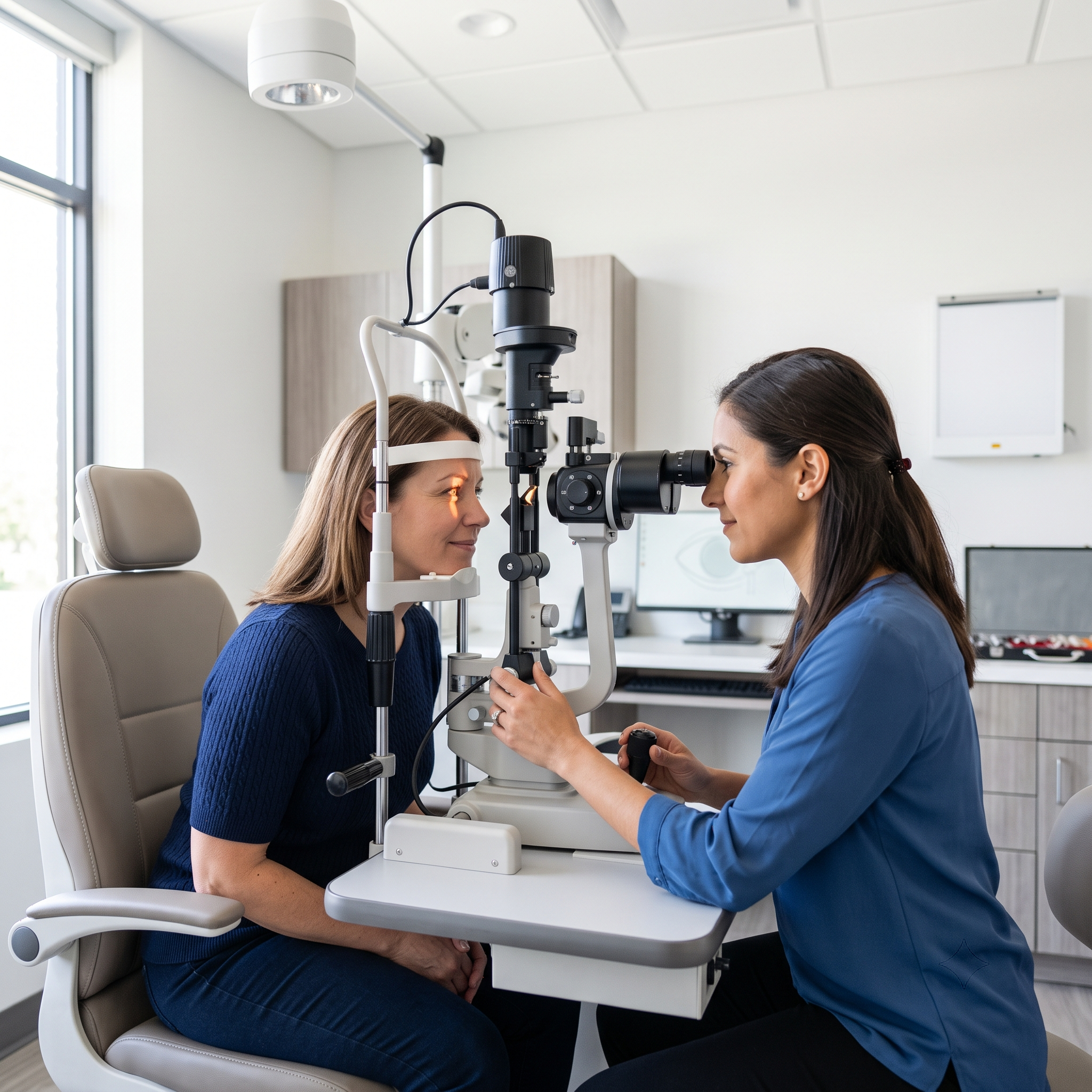
At Hampden Optical, we offer thorough eye exams to catch diabetes-related problems early. Our team uses advanced tools to check every part of your eyes.
Treatment Options for Diabetes Eye Problems
If your eye doctor finds problems, treatments include:
Medications: Eye drops or injections that reduce swelling and stop blood vessel growth
Laser Treatment: Helps shrink blood vessels and reduce leaking
Surgery: Removes blood or scar tissue from inside your eye
Improved Diabetes Control: Often, the most important treatment
For dry eye care, doctors might suggest:
- Prescription eye drops
- Punctal plugs (tiny plugs that keep tears in your eyes longer)
- Warm compresses
- Eyelid cleaning routines
Can You Prevent Diabetes Eye Problems?
Yes! You can reduce your risk by:
- Keeping blood sugar in your target range (this is the most important step)
- Getting yearly dilated eye exams
- Taking all medications as prescribed
- Eating a healthy diet
- Exercising regularly
- Not smoking
- Managing stress
Getting dilated eye examinations is so important for identifying issues early and offering treatments to prevent vision loss.
Questions People Ask
Can high blood sugar cause eye pain?
High blood sugar usually doesn’t cause pain at first. But if diabetes leads to glaucoma or infections, you might feel pain, pressure, or aching around your eyes.
Why do my eyes hurt when my sugar is high?
When blood sugar spikes, your eye lens can swell. This might cause a dull ache or tired feeling. Chronic high sugar also leads to nerve damage and inflammation, which can cause pain.
Do diabetic eyes always feel different?
No. Many people with diabetes don’t feel anything wrong with their eyes, even when damage is happening. That’s why regular checkups are critical.
Can lowering blood sugar fix blurry vision?
Yes, if blurry vision is from blood sugar swings. It takes time, though—up to three months for vision to stabilize after you get your sugar under control.
Are there dark circles under the eyes with diabetes?
Dark circles around the eyes aren’t a direct symptom of diabetes, but poor sleep and health issues related to diabetes might contribute to them. Diabetes dark circles under eyes can also happen if you’re not managing your condition well.
Can diabetes cause swollen eyes?
Yes. High blood sugar can cause fluid retention, which might make your eyelids look puffy or swollen. If you notice this along with vision changes, see your doctor.
Final Thoughts
Your eyes are precious. When you have diabetes, you need extra care and attention. Most people with diabetes will notice some eye symptoms—whether it’s dryness, blurriness, or tired eyes. The key is catching problems early.
If your eyes feel dry, gritty, or you notice vision changes, don’t wait. Schedule an appointment with an eye care professional who understands diabetes. Regular checkups can save your sight.
At Hampden Optical, our experienced team provides comprehensive eye care for people with diabetes. We use the latest technology to detect problems early and help you protect your vision for life.
Take action today: Book your comprehensive eye exam and give your eyes the care they deserve. Your future self will thank you.