No, wearing glasses does not improve eyesight permanently. Glasses help you see clearly while you’re wearing them, but they don’t fix the physical shape of your eyes or cure vision problems like nearsightedness or farsightedness. When you take your glasses off, your vision goes back to how it was before. Think of glasses like a helpful tool—they work great when you use them, but they don’t change your eyes themselves.
In this article, you’ll learn exactly how glasses work, why they don’t permanently fix your vision, and when glasses might actually help improve eyesight over time (especially for kids).
How Glasses Help You See Better
Glasses work like a camera lens. When you have vision problems, light doesn’t focus correctly in your eye. Glasses adjust how light enters your eyes, helping it focus correctly on the retina, which is the part at the back of your eye that sends pictures to your brain.
Here’s what happens:
For Nearsightedness (Myopia): Your eye is too long, so light focuses in front of your retina instead of right on it. Glasses push that focus back to the right spot.
For Farsightedness (Hyperopia): Your eye is too short, so light tries to focus behind your retina. Glasses bring that focus forward.
For Astigmatism: Your cornea has an uneven shape, making everything blurry. Glasses smooth out that focus problem.
While you’re wearing your glasses, everything looks clear and sharp. But here’s the key point: glasses don’t reshape your eyes or permanently fix your vision. The moment you take them off, your eyes are still the same shape, and the blur comes back.
Why Your Eyes Don’t Change With Glasses
Many people wonder if glasses might “train” their eyes to see better over time. The truth? Your eye shape is physical, not something you can exercise away.
Vision issues are due to refractive errors, which happen because of changes in the shape of your eyeballs or aging. These changes affect where light lands in your eye. Glasses correct this problem, but they can’t actually change your eye’s physical structure.
Think of it this way: If you wear reading glasses to see a book, your arms don’t suddenly get longer when you take the glasses off. The glasses just helped while you used them.
What About Getting “Dependent” on Glasses?
You might feel like your eyes got worse after you started wearing glasses. But that’s not really what’s happening. When you wear glasses, you get used to seeing clearly. When you take off your prescription glasses, the world around you might seem blurrier than you remember pre-glasses. But nothing has changed, aside from your perspective.
Your brain just remembers how good clear vision feels, so the blur seems more noticeable now.
When Can Glasses Improve Eyesight Permanently?
Here’s where things get interesting. In some special cases, glasses actually can help improve vision over time—but only in children whose eyes are still growing.
Glasses for Kids With Lazy Eye:
Suppose glasses fully correct the cause of amblyopia (lazy eye). In that case, the vision in the amblyopic eye may improve over time simply by the child wearing glasses, and no further treatment is needed.
Lazy eye happens when one eye doesn’t develop properly because the brain ignores signals from it. When kids wear the right prescription glasses:
- Both eyes can send clear signals to the brain
- The brain learns to use both eyes together
- Vision in the weaker eye can actually get better
The treatment for lazy eye depends on things like how severe it is, and main treatment options include glasses that can correct existing refractive errors. Many kids who wear glasses for lazy eye before age 7 see real improvement—and some won’t need glasses at all once their eyes develop properly.
Special Glasses That Slow Down Nearsightedness in Kids:
New types of glasses can actually slow down how fast nearsightedness gets worse in children. The Essilor Stellest eyeglass lenses were recently authorized by the FDA to correct myopia and to slow the progression of the disease in children 6 to 12 years old.
These special myopia control glasses work differently from regular glasses. New spectacle lenses for myopia control have the ability to slow myopia progression in children, with evidence in kids from age 6 to 16 years. They have tiny structures built into the lens that help control how the eye grows.
This doesn’t mean the glasses cure nearsightedness—but they can help kids end up with less severe vision problems as adults, which reduces their risk of serious eye issues later in life.
What Happens If You Don’t Wear Your Glasses?
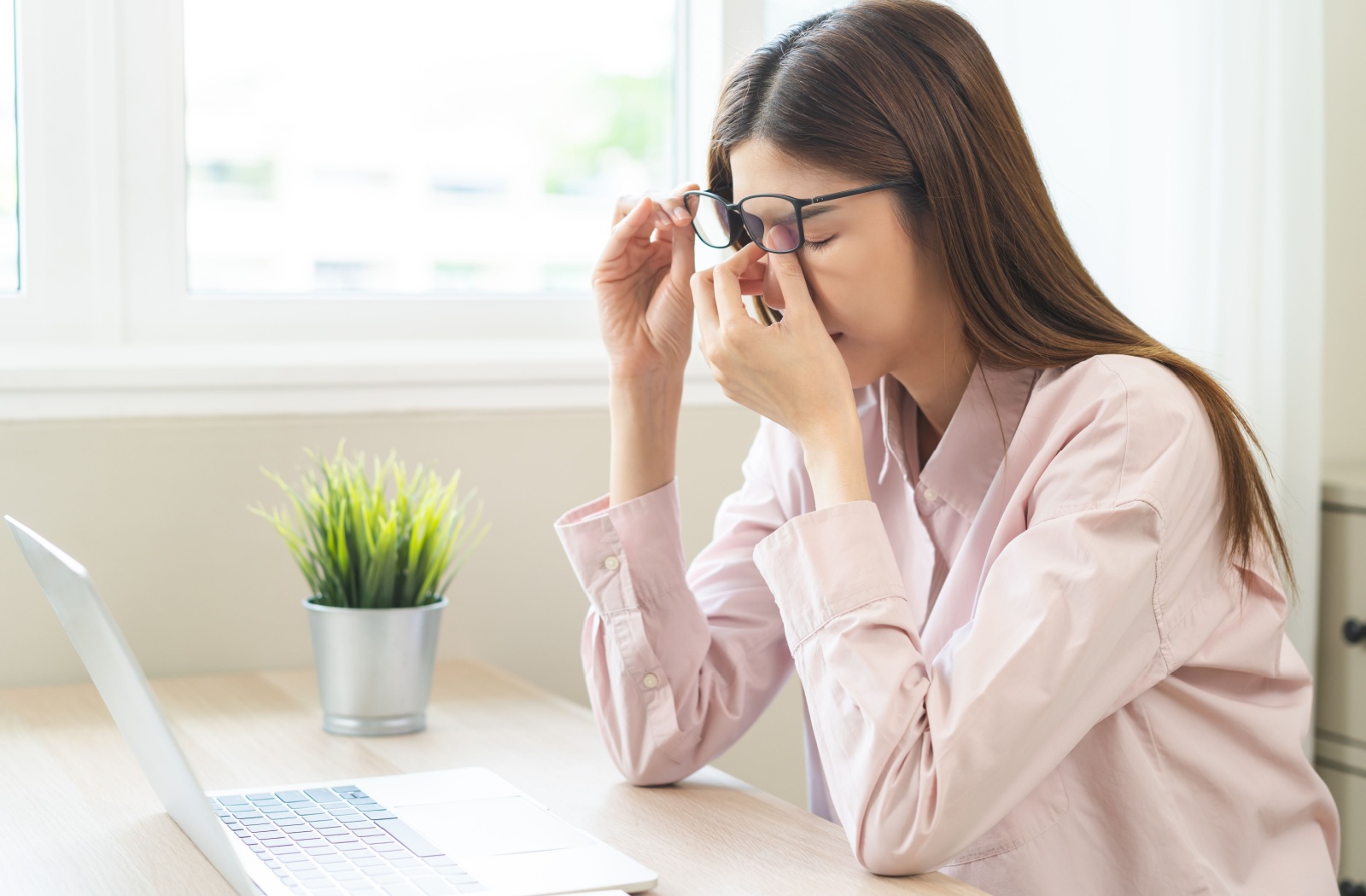
Skipping your glasses won’t damage your eyes, but it can make daily life harder. When you don’t wear glasses as prescribed, you might experience:
- Headaches from eye strain
- Tired, achy eyes by the end of the day
- Squinting can lead to wrinkles around your eyes
- Trouble focusing on work or school
- Eye fatigue that makes you feel worn out
For kids, not wearing prescribed glasses can be more serious. In more serious cases, especially with children, not wearing prescribed glasses for conditions like strabismus (crossed eyes) or amblyopia (lazy eye) can make the condition worse—or even permanent.
Do Prescription Glasses Improve Eyesight in Different Ways?
Let’s clear up some common questions about whether glasses can improve eyesight in various situations.
Single Vision Glasses:
Regular prescription glasses correct your vision while you wear them. They give you clear sight for distance (if you’re nearsighted) or for reading (if you’re farsighted). But they don’t change the underlying problem with your eyes.
Progressive and Bifocal Glasses:
These help people who need different prescriptions for distance and close-up work. They’re great for seeing clearly at multiple distances, but like single vision glasses, they don’t permanently change your eyesight.
Computer Glasses and Blue Light Glasses:
These specialized glasses reduce eye strain when you’re using screens. They help prevent tired eyes and headaches, but they don’t improve your actual vision or prevent vision problems.
The Truth About Eyesight Correction Glasses
Here’s what eyesight correction glasses actually do:
While Wearing Them:
- Give you a clear, sharp vision
- Reduce eye strain and headaches
- Help you focus comfortably
- Protect your eyes from getting overtired
What They Don’t Do:
- Permanently reshape your eyes
- Cure nearsightedness or farsightedness
- Stop your vision from changing as you age
- Make your eyes “weaker” or “dependent.”
Wearing glasses will not modify the structure of your eye, so they cannot change your required prescription. Your prescription might change over time, but that’s because of natural aging or changes in your eyes, not because you wore glasses.
Can Anything Permanently Improve Your Vision?
If glasses don’t permanently fix vision, what does? The only ways to permanently change your vision are:
Eye Surgery: Procedures like LASIK reshape your cornea to correct how light focuses in your eye. This is the only way to fix refractive errors in adults permanently.
Treating the Root Cause: For kids, treating lazy eye early can lead to permanent improvement. Some children grow out of certain vision problems if they’re caught and treated young enough.
Natural Eye Development: Some kids with slight farsightedness grow out of it as their eyes develop, but this isn’t guaranteed.
For adults with stable vision problems, if you want your vision to improve without wearing glasses, you will have to treat your eye issues’ root cause—and for most people, that means eye surgery.
How to Keep Your Eyes Healthy While Wearing Glasses
Even though glasses don’t permanently improve your vision, you can take steps to keep your eyes as healthy as possible:
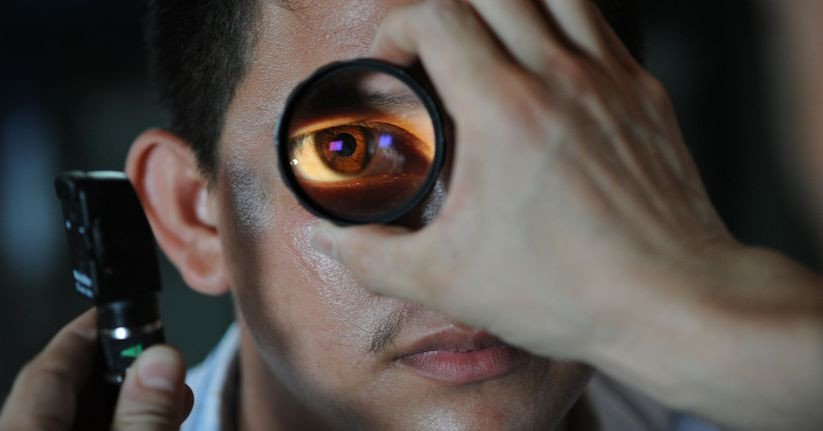
Get Regular Eye Exams: Your vision changes over time. Annual checkups help you get the right prescription and catch any eye health problems early. Schedule comprehensive eye exams to stay on top of your eye health.
Wear Your Glasses as Prescribed: Your eye doctor knows when you need to wear your glasses. Follow their advice to avoid eye strain and headaches.
Protect Your Eyes: Sunglasses aren’t just stylish—they protect your eyes from harmful UV rays that can damage your vision over time. Learn more about protecting your eyes from different types of light.
Take Screen Breaks: Follow the 20-20-20 rule. Every 20 minutes, look at something 20 feet away for 20 seconds. This helps reduce digital eye strain.
Eat Eye-Healthy Foods: Foods with vitamins A, C, and E, plus zinc and omega-3 fatty acids, support good eye health. Think leafy greens, fish, nuts, and colorful vegetables.
Questions Parents Ask About Kids and Glasses
Will my child need glasses forever?
It depends on the problem. Some kids grow out of mild farsightedness, but most refractive errors like nearsightedness are permanent. The good news? Today’s glasses are comfortable, stylish, and some can even slow down how fast myopia gets worse.
Will glasses make my child’s eyes lazy?
No! This is a common myth. Wearing glasses does not make your eyesight worse; instead, they correct changes in your vision. In fact, NOT wearing prescribed glasses can sometimes make vision problems worse in kids.
When should my child get an eye exam?
Kids should have their first eye exam around age 3-5, then regularly after that. If you notice any signs like squinting, sitting too close to the TV, or complaints of headaches, get their eyes checked right away.
Final Thoughts
Glasses are amazing tools that give you clear vision and protect your eyes from strain—but they don’t permanently improve eyesight in most cases. When you wear them, you see clearly. When you take them off, your vision goes back to its natural state.
The exception? Kids whose eyes are still developing. For children with lazy eye or those using special myopia control lenses, glasses can actually lead to better vision over time.
The bottom line: Don’t avoid glasses thinking they’ll make your eyes worse. They won’t. Wear them as your eye doctor recommends, get regular checkups, and enjoy the clear vision they provide.
If you’re looking for the perfect pair of glasses that combines clear vision with great style, explore our wide selection of designer frames or contact our team for personalized guidance. We’ll help you find eyewear that looks great and helps you see your best every single day.