The best treatment for eye problems depends on what’s causing them. Most eye issues can be fixed with glasses, eye drops, medicine, or surgery. Simple problems like dry eyes or allergies often get better with home care, while serious issues need a doctor’s help.
Your eyes are amazing, but they can run into trouble. The good news? Most vision problems in the United States are refractive errors, which are easy to fix. Let’s look at how to treat different eye problems so you can see clearly and feel great.
Common Eye Problems and Their Treatments
Blurry Vision and Refractive Errors:
Can’t see the board at school? Need to hold your phone far away to read? You might have a refractive error. This happens when your eye’s shape stops light from focusing correctly.
Types of Blurry Vision:
- Nearsightedness (can’t see far away)
- Farsightedness (can’t see up close)
- Astigmatism (everything looks blurry)
- Presbyopia (happens after age 40)
Treatment Options: Most people get better with prescription eyeglasses or contact lenses. These work great for almost everyone. Some people choose LASIK eye surgery, which reshapes your cornea with a laser. For serious cases, doctors might use special lens implants.
The treatment for eye problems like these is straightforward. Visit your eye doctor for a comprehensive eye exam, and they’ll figure out what you need.
Dry Eye Syndrome:
Do your eyes feel scratchy, like there’s sand in them? That’s probably dry eye. It happens when your tears don’t work right, or you don’t make enough.
Simple Home Treatments:
- Use artificial tears (eye drops you buy at the store)
- Put a warm, wet cloth on your closed eyes for 5 minutes
- Blink more often, especially when using screens
- Use a humidifier in dry rooms
When to Get Help: If drops don’t help, doctors can prescribe special medicine. Severe cases might need tiny plugs in your tear ducts to keep tears in your eyes longer. Some people need special contact lenses that trap moisture.
Pro tip: Follow the 20-20-20 rule. Every 20 minutes, look at something 20 feet away for 20 seconds. Your eyes will thank you!
Eye Allergies and Swelling:
Spring arrives, and suddenly your eyes are red, itchy, and puffy. Welcome to eye allergies! Pollen, dust, and pet hair can make your eyes react badly.
Quick Relief at Home:
- Splash cold water on your eyes or use a cold compress
- Stay inside when pollen counts are high
- Wash your hands and face after being outside
- Keep windows closed on high pollen days
Medicine That Helps: Over-the-counter antihistamine eye drops work fast. For tough cases, doctors might prescribe corticosteroid eye drops to reduce swelling, but only for a short time. The allergy in eye treatment approach often includes avoiding triggers and using the right drops.
If you have ongoing problems, ask about dry eye and allergy care at your local eye center.
Eye Infections (Pink Eye):
Pink eye is super common and spreads easily. Your eye turns pink or red, feels gunky, and might have goop coming out.
Bacterial vs. Viral:
- Bacterial infections need antibiotic eye drops from your doctor
- Viral infections usually clear up on their own in 1-2 weeks
- Both types are catchy, so wash your hands a lot!
Home Care: Keep your eyes clean with a warm, damp cloth. Don’t share towels or pillows. Throw away any eye makeup you used while sick.
Most infections clear up within days, but prescription drops can fix them in about 24 hours.
Serious Eye Diseases Need Special Care
Glaucoma:
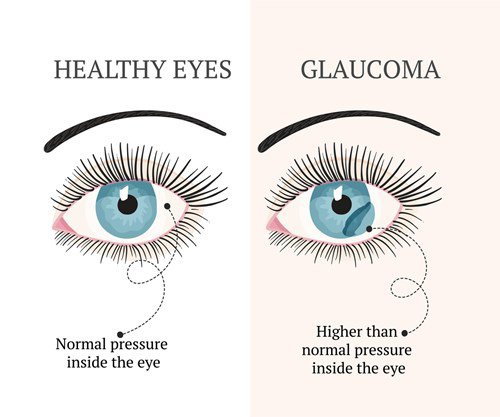
About 4.22 million American adults have glaucoma. This sneaky disease damages your eye’s nerve without warning. You won’t notice it until it’s bad.
Treatment Approach: Doctors usually start with eye drops that lower pressure in your eye. Some people need pills too. Laser treatment or surgery might be needed if medicine doesn’t work.
The key? Get regular eye exams. Catching glaucoma early makes a huge difference.
Cataracts:
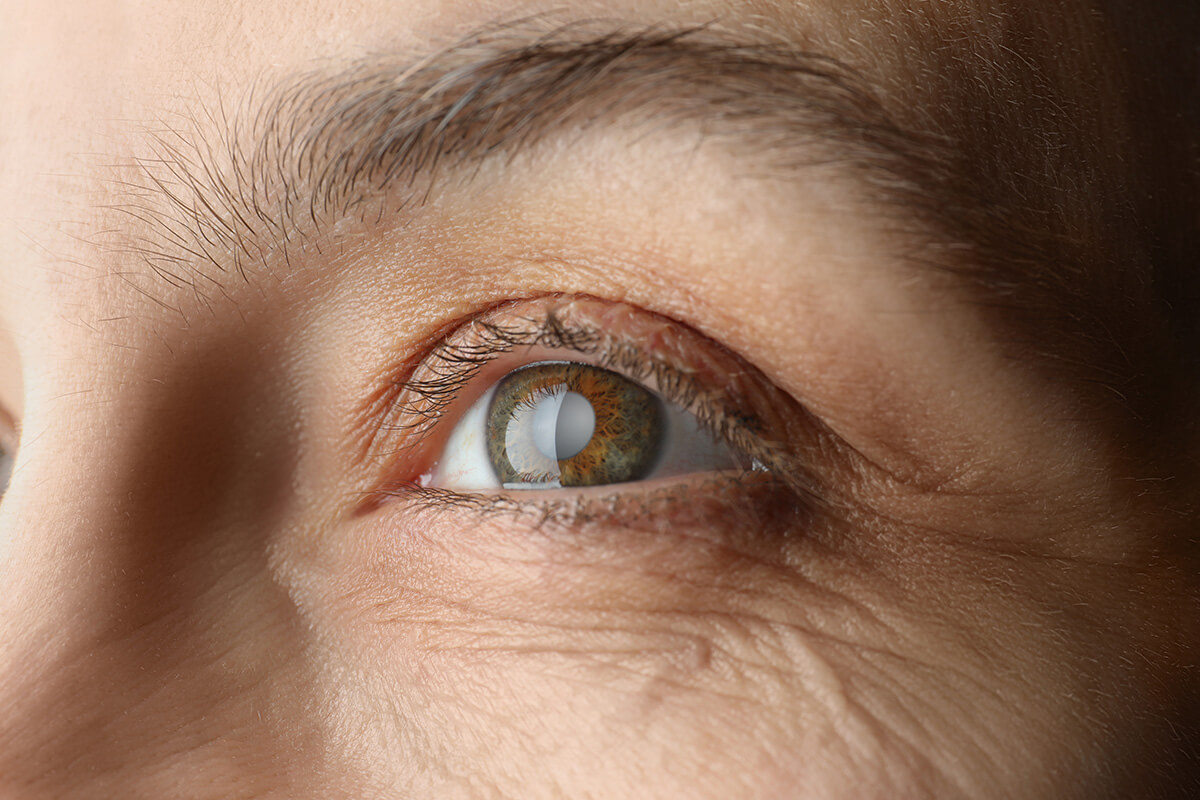
Think of cataracts like dirty windows in your eye. Everything looks cloudy or foggy. By age 75, nearly half of all Americans have cataracts.
How It’s Fixed: Surgery is the only real fix, and it works great! Doctors remove your cloudy lens and put in a clear fake one. Most people go home the same day and see better within weeks.
Diabetic Retinopathy:
If you have diabetes, high blood sugar can hurt the tiny blood vessels in your eyes. About 9.6 million people in the United States had diabetic retinopathy in 2021.
Treatment Options:
- Control your blood sugar (most important!)
- Special injections that stop abnormal blood vessels
- Laser treatment to seal leaking vessels
- Surgery for advanced cases
Prevention Wins: Keep your blood sugar, blood pressure, and cholesterol in check. Get eye exams every year if you have diabetes.
Age-Related Macular Degeneration (AMD):
AMD affects the center of your vision. Around 19.83 million Americans were living with age-related macular degeneration in 2019.
Treatment Methods:
- Special vitamins (ask your doctor about AREDS2 formula)
- Anti-VEGF injections to stop blood vessel growth
- Laser therapy for some types
- Low vision aids like magnifiers
Diet Matters: Eat lots of leafy greens and fish. They’re good for your eyes!
When Should You See an Eye Doctor?
Don’t wait if you notice:
- Sudden vision loss or changes
- Severe eye pain
- Flashes of light or floating spots
- Eye injury
- Symptoms that don’t improve in 2-3 days
- Discharge that’s thick or colored
Many problems are easier to fix when caught early. A steroid treatment for eye problems like severe inflammation needs careful monitoring by a professional.
Finding the Right Eye Treatment Center
Look for a place that offers:
- Complete eye exams with modern equipment
- On-site repairs and adjustments
- Multiple treatment options
- Experienced staff who listen to you
- Insurance acceptance
An eye treatment center should feel welcoming, not scary. You deserve care that fits your life and budget.
Prevention Tips for Healthy Eyes
Daily Habits:
- Wear sunglasses outside (look for UV protection)
- Eat colorful fruits and vegetables
- Don’t smoke (it’s terrible for the eyes)
- Take screen breaks
- Sleep enough (your eyes need rest, too)
Regular Checkups:
- Kids: First exam at 6 months, then as recommended
- Adults under 40: Every 2 years
- Adults over 40: Every year
- People with diabetes: Every year, no exceptions
Special Considerations
Children’s Eye Problems:
Kids don’t always know their vision is off. Watch for:
- Sitting too close to the TV
- Squinting a lot
- Complaints about headaches
- Rubbing eyes frequently
Pediatric vision screening catches problems early, when they’re easiest to fix.
Contact Lens Wearers:
Using contacts? Follow these rules:
- Never sleep in them (unless your doctor says okay)
- Replace them on schedule
- Use a fresh solution every time
- Keep your case clean
- Give your eyes a break by wearing glasses sometimes
Infections from dirty contacts can get serious fast. When in doubt, throw them out!
Cost and Insurance
Eye problems and treatment costs vary a lot. Here’s the good news: many treatments are covered by insurance. Glasses and contact lenses usually cost less than you think.
Ask about:
- Eyewear savings and specials
- Payment plans for bigger treatments
- Vision insurance that covers annual exams
- Flexible spending accounts (FSAs)
Don’t skip care because you’re worried about money. Many places work with you to find solutions.
Final Thoughts
The best treatment for eye problems starts with knowing what’s wrong. Most issues are fixable with the right care, whether that’s simple glasses, eye drops, or more advanced treatment.
Your eyes let you see sunsets, read bedtime stories, and watch your favorite shows. They deserve good care! Regular checkups catch problems early, when they’re easier and cheaper to fix.
Having trouble with your vision? Don’t guess what’s wrong. Schedule a comprehensive eye exam with professionals who care about your sight. Visit Hampden Optical to book your appointment today. Clear vision is just a visit away!
Remember: The swelling of the eye, treatment, infection, or any eye concern is best handled by trained experts. Your eyes are worth it.