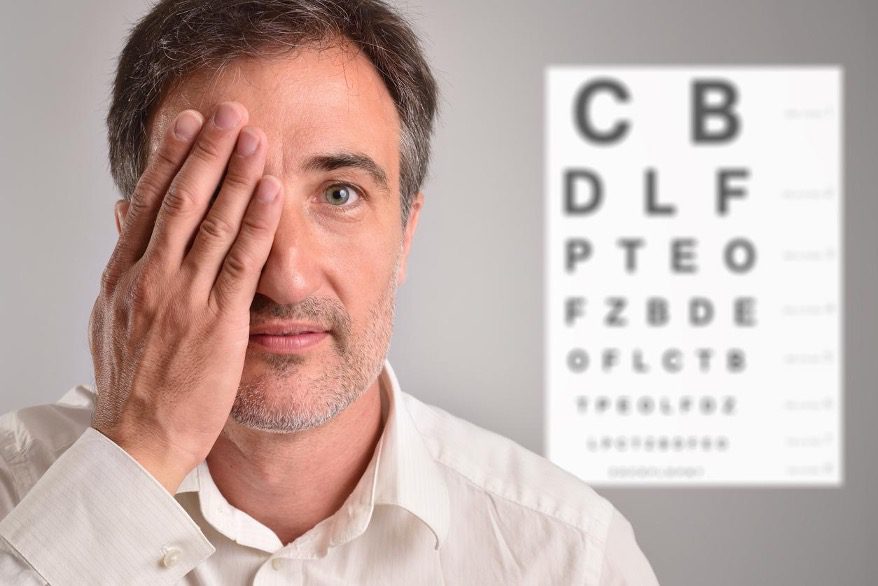
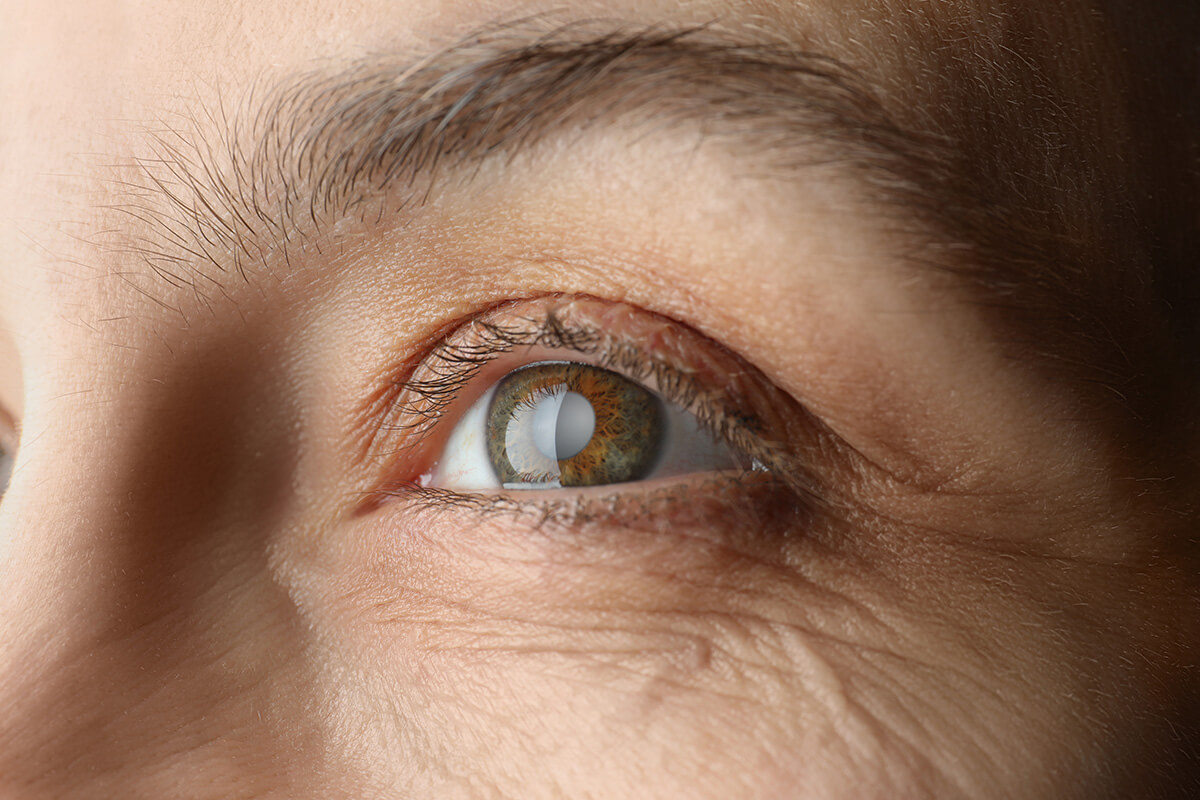
Routine eye care is regular checkups and daily habits that keep your eyes healthy and your vision clear. It includes yearly eye exams by an eye doctor, getting your glasses or contact lens prescription updated, and simple daily steps like wearing sunglasses and eating healthy foods. Think of it as taking care of your eyes before problems start, not just when something goes wrong.
This guide will walk you through everything you need to know about routine eye care—from what happens during an exam to how often you should go, plus easy ways to protect your eyes at home every single day.
Understanding Routine Eye Care vs Medical Eye Care
What Makes an Eye Exam “Routine”?
A routine eye exam checks how well you see and screens for common eye problems. Your eye doctor tests your vision, updates your prescription for eyeglasses with lenses, and looks for early signs of eye disease. Insurance companies call this “routine” because you’re there for a regular checkup, not because something is wrong.
These exams check for conditions like nearsightedness (trouble seeing far away), farsightedness (trouble seeing up close), and astigmatism (blurry vision at all distances). According to experts, routine exams assess eye sight and eye structures to maintain optimal vision.
When Does an Exam Become “Medical”?
An exam turns “medical” when you have symptoms or an eye disease needs treatment. If you visit the doctor for pink eye, dry eyes, or sudden vision changes, that’s medical care. The difference matters because your medical insurance and vision insurance cover different things.
For example, going in for blurry vision to get new glasses is routine. But if you have eye pain or redness, that becomes a medical visit. Both types of exams might include the same tests—the reason for your visit determines which category it falls into.

What Happens During a Routine Eye Exam
Vision Testing and Prescription Updates:
Your doctor starts with a visual acuity test. You’ll read letters from a chart (called a Snellen chart) to see how clearly you can see at different distances. If you need glasses or contacts, they’ll do a refraction test. This is the “which is better—one or two?” part where the doctor flips different lenses to find your perfect prescription.
A refraction test uses a tool called a phoropter with various prescription lenses, making it easy for your doctor to dial in exactly what you need to see clearly.
Eye Health Screening:
Next comes the health screening. Your doctor checks the pressure inside your eyes (called tonometry) to screen for glaucoma. High eye pressure may indicate risk for glaucoma, which typically has no warning signs until significant vision loss occurs.
They may also dilate your pupils with special drops. This lets them see the back of your eye—the retina, blood vessels, and optic nerve. It takes about 20-30 minutes for the drops to work, so bring someone to drive you home since your vision will be blurry for a few hours.
Additional Tests When Needed:
Depending on your age and risk factors, your doctor might include:
- Visual field testing to check for blind spots in your side vision
- Retinoscopy to estimate your prescription using light and lenses
- Depth perception tests to make sure both eyes work together properly
A comprehensive eye exam usually takes 30 to 90 minutes, especially if dilation is included.
How Often Should You Get Routine Eye Exams
Children and Teens:
Kids should have their first eye exam between 6 and 12 months old. Children ages 3 to 5 are at highest risk for developing amblyopia, also known as lazy eye. After that, kids need exams before starting school and then every 1-2 years.
Regular pediatric vision screening catches problems early when they’re easier to fix. Many vision issues affect learning, so catching them early helps kids do better in school.
Adults Under 40:
The American Optometric Association recommends comprehensive eye and vision examinations annually for people 18 to 39 years of age. If you wear glasses or contacts, or have a family history of eye disease, you might need to go more often.
Even if your vision seems perfect, yearly checkups help catch problems before symptoms appear. Many eye diseases develop slowly without obvious warning signs.
Adults 40 to 64:
At age 40, everyone should get a complete eye exam. After that, most people need exams every 2-4 years unless they have risk factors. If you have diabetes, high blood pressure, or wear glasses or contacts, annual exams are recommended.
This is when age-related changes start showing up—like presbyopia, which makes it harder to focus on things up close.
Adults 65 and Older:
Older adults should have an eye exam every one to two years, even if they do not notice any vision changes. This age group faces higher risks for cataracts, glaucoma, and macular degeneration. Regular monitoring helps manage these conditions before they affect daily life.
High-Risk Groups Need More Frequent Care:
If you have diabetes, you need yearly eye exams. Diabetic retinopathy is the leading cause of complete vision loss in adults, according to the CDC. Other high-risk groups include:
- African Americans over 40
- Anyone with a family history of eye disease
- People with high blood pressure
- Those who’ve had eye injuries or surgery
Building Your Daily Eye Care Routine
Protect Your Eyes from the Sun:
UV rays from the sun can damage your eyes over time, increasing risks for cataracts and macular degeneration. Wearing sunglasses that block 99 to 100 percent of both UVA and UVB radiation can protect your eyes and lower your risk for cataracts.
Choose sunglasses even on cloudy days—UV rays pass through clouds. If you wear prescription glasses, consider adding UV protection to your regular lenses.
Give Your Eyes Screen Time Breaks:
Staring at screens all day causes eye strain, dry eyes, and blurry vision. Use the 20-20-20 rule: every 20 minutes, look at something 20 feet away for 20 seconds. This simple habit reduces eye fatigue and helps your eyes relax.
Sit at least an arm’s length from your computer screen. Position it slightly below eye level so you’re looking down a bit, which helps reduce strain.
Keep Your Hands Clean:
Rubbing your eyes can transfer dirt and bacteria that may cause irritation or lead to an infection. Wash your hands regularly, especially before touching your eyes or handling contact lenses. This simple step prevents many common eye infections.
If you wear contacts, always wash your hands first. Use fresh solution to clean and store your lenses, and replace them exactly when your eye doctor recommends.
Eat Foods That Support Eye Health:
What you eat affects your vision. Foods rich in omega-3 fatty acids, lutein, zinc, and vitamins C and E help prevent age-related vision problems. Nutrients like omega-3 fatty acids, lutein, zinc, and vitamins C and E can help ward off age-related vision issues like macular degeneration and cataracts.
Load your plate with:
- Dark leafy greens (spinach, kale, collard greens)
- Fish high in omega-3s (salmon, tuna)
- Eggs and nuts
- Citrus fruits and colorful vegetables
- Whole grains
Stay Active and Maintain a Healthy Weight:
Physical activity protects your eyes by lowering your risk for diabetes, high blood pressure, and high cholesterol—all of which can damage your vision. Physical activity can lower your risk for health conditions that can affect your vision, like diabetes and high blood pressure.
Try to get 30 minutes of moderate exercise most days of the week. Even simple activities like walking, dancing while doing chores, or stretching during TV time count.
Wear Protective Eyewear:
Always protect your eyes during activities that could cause injury. Wear safety glasses or goggles when:
- Playing sports
- Doing home repairs or yard work
- Working with chemicals or power tools
- Swimming (to protect from chlorine)
Protective eyewear prevents most eye injuries, which can cause permanent vision damage.
Quit Smoking for Better Eye Health:
Smoking increases the risk for eye disease, such as cataracts, diabetic retinopathy, and age-related macular degeneration. It also causes dry eyes and can harm your optic nerve. If you smoke, quitting is one of the best things you can do for your eye health.
Need help quitting? Call 1-800-QUIT-NOW (1-800-784-8669) for free support and resources.

Common Conditions Found During Routine Eye Care
Refractive Errors:
These are the most common vision problems. Nearsightedness means you can’t see far away clearly. Farsightedness makes nearby objects blurry. Astigmatism causes blurry vision at all distances. All three are easily fixed with glasses or contact lenses.
Presbyopia is an age-related condition that makes it hard to focus on close-up objects. It usually starts around age 40. Reading glasses or bifocals help solve this problem.
Early Signs of Eye Disease:
During a routine visit, your doctor can diagnose dry eye syndrome, allergies, corneal diseases, cataracts, macular changes, glaucoma and various eye conditions. Finding these early makes them much easier to treat.
Your eye exam can also detect signs of other health conditions like diabetes, high blood pressure, and even certain cancers. Eyes really are windows to your overall health.
When to Schedule an Urgent Visit:
Don’t wait for your regular exam if you notice:
- Sudden vision loss or vision changes
- Eye pain or severe redness
- Flashes of light or new floaters
- Double vision
- Halos around lights
These symptoms might signal a serious problem that needs immediate attention.
Getting the Most from Your Vision Insurance
Understanding Coverage Differences:
Vision insurance typically covers one routine eye exam per year, plus discounts on glasses and contact lenses. Medical insurance covers visits for eye diseases and conditions. Many people have both types of insurance.
Bring both insurance cards to your appointment so your eye doctor’s office can bill correctly. This helps you get the maximum benefits you’re entitled to.
Costs and Payment Options:
Most vision plans cover routine exams fully or with a small copay. Custom progressives and specialty coatings might have additional costs, but many offices offer payment plans or eyewear savings and specials to help.
If you don’t have vision insurance, ask about self-pay rates. Many eye care providers offer affordable options for uninsured patients.
Special Considerations for Contact Lens Wearers
Proper Contact Lens Care:
If you wear contacts, take steps to prevent eye infections by washing your hands before you put in or take out your contact lenses and following instructions on how to properly clean them.
Never use water or saliva to clean your contacts. Always use fresh solution—never reuse old solution. Replace your contact lens case every 3 months to prevent bacteria buildup.
Signs You Need a New Prescription:
Your contacts might need adjusting if you experience:
- Blurry vision that comes and goes
- Eye strain or headaches
- Having to squint to see clearly
- Difficulty seeing at night
Schedule a contact lens fitting appointment rather than ordering the same prescription. Your eyes change over time, and an updated fit keeps you comfortable and seeing clearly.
Making Routine Eye Care a Priority
Tips for Remembering Your Appointments:
Set a yearly reminder on your phone or calendar for eye exam time. Many eye care offices will also send reminder calls or texts when you’re due for your checkup.
Schedule your exam at the same time each year—like around your birthday or at the start of a new season. This makes it easier to remember and turns it into a regular habit.
Finding the Right Eye Care Provider:
Look for an eye doctor who:
- Accepts your insurance
- Has convenient office hours
- Uses modern equipment
- Takes time to answer your questions
- Makes you feel comfortable
Ask friends and family for recommendations. A good eye care provider becomes your partner in maintaining healthy vision for life.
Final Thoughts
Routine eye care is simply taking care of your eyes through regular checkups and smart daily habits. Getting yearly exams helps catch problems early when they’re easiest to treat. Between visits, protect your eyes with sunglasses, take screen breaks, eat nutritious foods, and keep your hands clean.
Your eyes are precious, and taking care of them doesn’t have to be complicated. Schedule your comprehensive eye exam today to start your best eye care routine. With regular attention and simple protective measures, you can enjoy clear, healthy vision for years to come. Remember: the best time to take care of your eyes is right now, before problems develop.