What Are the Symptoms of Having Cataracts?
Cataracts cause cloudy, blurry vision and make colors look dull or yellow. You might also see halos around lights, have trouble seeing at night, and need brighter lights to read. Most people start noticing these symptoms after age 60, but cataracts can develop slowly over many years.
If you’re having trouble seeing clearly, you’re not alone. More than half of Americans over age 80 have cataracts or have had surgery to fix them. Understanding the symptoms helps you know when it’s time to see an eye doctor.
In this guide, we’ll explain what cataracts feel like, how to spot the warning signs, when symptoms usually start, and what you can do about them. We’ll also cover how cataracts are different from other eye problems like floaters.
What Does It Feel Like to Have Cataracts?
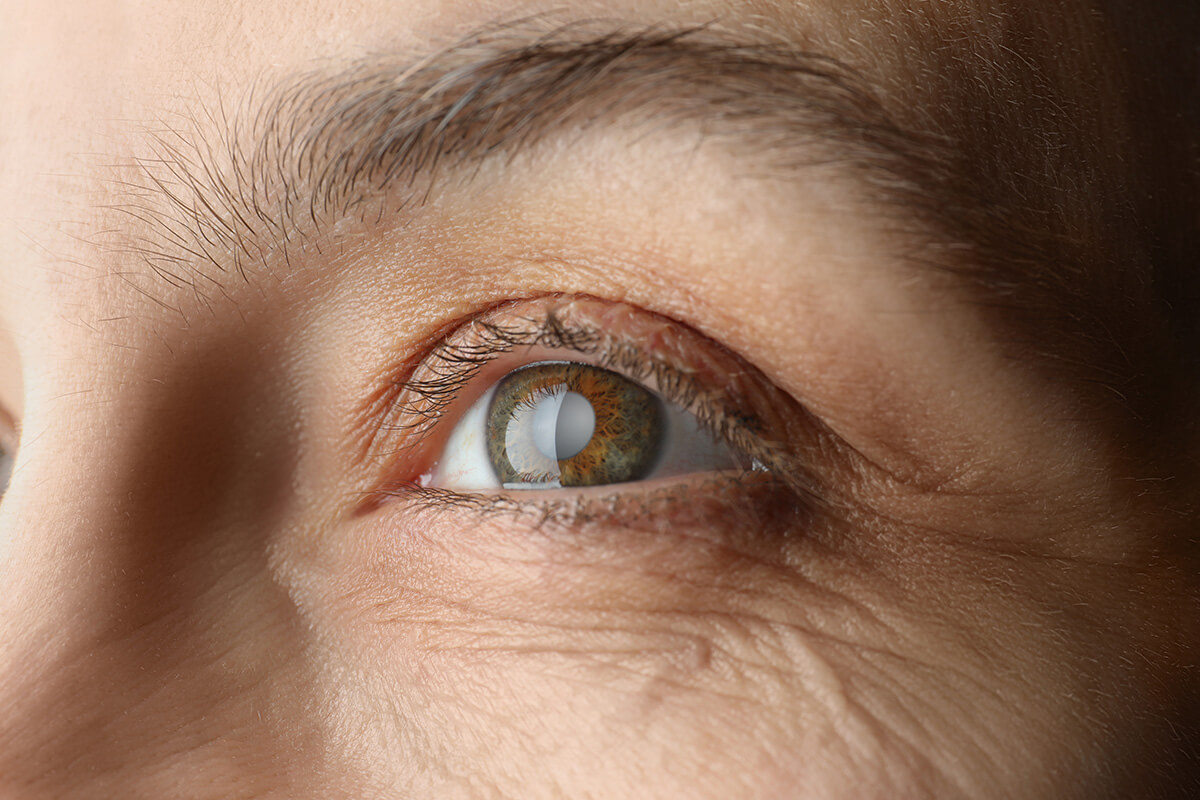
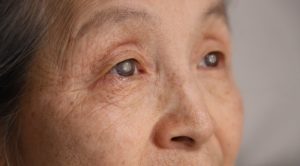
Having cataracts feels like looking through a foggy window that won’t clear up. Many people say it’s like trying to see through dirty glasses that you can’t wipe clean. You don’t feel any pain, and your eyes won’t hurt. But the world slowly starts to look less clear and bright.
At first, you might not notice anything wrong. Then one day, you realize reading is harder. Street signs look fuzzy. Driving at night becomes tricky because headlights seem too bright.
The tricky part? Cataracts grow so slowly that your brain gets used to the changes. You might think you just need new glasses. That’s why regular eye exams are so important.
How Your Vision Changes Day by Day
Your daily life changes little by little:
- Reading books or menus becomes harder, even with good lighting
- Watching TV feels different because faces look blurry
- Going down stairs feels less safe because depth looks off
- Bright sunny days bother your eyes more than before
- You might bump into things you normally see clearly
These small changes add up over time. What seems like a minor problem today can become a bigger issue next year.
Common Symptoms of Cataracts in the Eyes
Cataracts create several vision problems that get worse as time goes by. Here are the main symptoms to watch for:
Blurry or Cloudy Vision
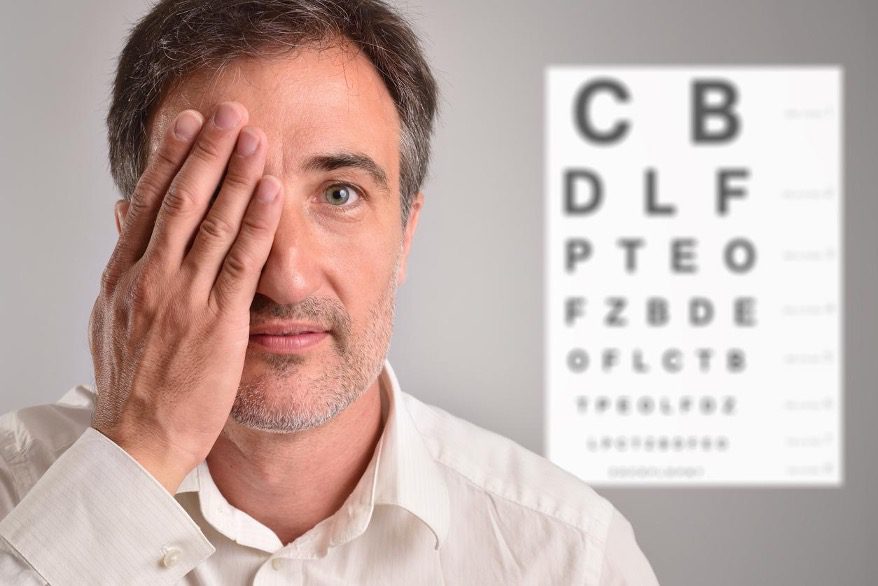
This is the most common symptom. Everything looks like you’re seeing it through wax paper or a steamy bathroom mirror. Details disappear. Faces look fuzzy from across the room.
Your vision might be worse some days than others. But over time, the blur doesn’t go away no matter how much you blink or rub your eyes.
Trouble Seeing at Night
Night vision gets much worse with cataracts. Driving at night becomes difficult because:
- Headlights from other cars look too bright
- Street lights create big halos that block your view
- Dark roads look even darker
- You can’t see lane markers clearly
Many people with cataracts stop driving after sunset because it feels unsafe.
Bright Lights Bother You
Lights that never bothered you before suddenly feel too bright. You might:
- Squint more when you go outside on sunny days
- Need sunglasses even on cloudy days
- Turn down lights at home because they hurt your eyes
- Have trouble in stores with bright overhead lights
This happens because the cloudy lens scatters light instead of focusing it properly.
Colors Look Dull or Yellow
Remember how bright and colorful everything used to look? With cataracts, colors fade. The proteins that cloud the lens are brownish, so they make everything look yellow or brown.
Blues and purples are especially hard to tell apart. White clothes might look cream-colored or yellowish. It’s like someone turned down the brightness and color on your TV.
You See Halos Around Lights
Lights get big glowing circles around them. These halos can be huge and make it hard to see what’s next to the light. Car headlights, street lamps, and even indoor lights get these rings.
Halos can take up large parts of what you see and distract you from cars, people, and other important objects on the road.
Your Glasses Prescription Changes Often
Do you need new glasses every year or even more often? That’s a red flag. Cataracts change how your eye focuses light, so your prescription keeps changing.
Some people actually see better up close for a while when cataracts first develop. Doctors call this “second sight.” But it doesn’t last long. Soon, both near and far vision get worse.
Double Vision in One Eye
Sometimes you might see two of everything, but only in one eye. If you cover one eye and still see double, that eye might have a cataract.
This happens when the cloudy spots on your lens split images into two.

Cataracts Symptoms and Age: When Do They Start?
The proteins in your eye’s lens start to break down around age 40. But here’s the important part: just because the proteins start breaking down doesn’t mean you’ll notice any symptoms right away.
Age 40 to 60: The Silent Years
Between ages 40 and 60, cataracts might be forming, but you probably won’t know it. Your vision still seems fine. Eye exams might show tiny cloudy spots, but they’re not affecting your daily life yet.
This is why eye doctors recommend getting comprehensive eye exams regularly after age 40, even if your vision seems perfect.
Age 60 and Up: When Symptoms Appear
You typically won’t notice symptoms until age 60 or later. That’s when the cloudy areas get big enough to affect your vision.
Some people develop symptoms earlier if they have:
- Diabetes or other health problems
- A family history of cataracts
- Previous eye injuries
- Long-term use of certain medicines
How Fast Do Cataracts Grow?
Most cataracts grow slowly over many years. You might notice:
- Year 1: Slightly blurry vision
- Year 2-3: More trouble reading, especially in dim light
- Year 4-5: Driving at night becomes difficult
- Year 6+: Daily activities become challenging
Some types of cataracts grow faster. Posterior subcapsular cataracts can progress within months and affect close-up vision quickly.
Early Symptoms of Cataracts You Shouldn’t Ignore
Catching cataracts early gives you more time to plan. Here are the first signs:
Needing More Light to Read
You turn on extra lamps. You move closer to windows. Reading in dim restaurants becomes impossible. This is often the very first symptom people notice.
Difficulty with Night Driving
You avoid driving after dark because headlights bother you. Or maybe you’ve had close calls because you didn’t see something clearly.
Frequent Prescription Changes
If you’re getting new glasses every 6-12 months and they never seem quite right, tell your eye doctor. This pattern often means cataracts are developing.
Colors Looking Less Bright
Blues look gray. Reds look brown. Everything seems muted, like an old photograph.
Don’t ignore these early warning signs. The sooner you know about cataracts, the better you can manage them.
Cataracts Symptoms vs. Floaters: What’s the Difference?
Many people wonder: are those spots I’m seeing cataracts or floaters? Let’s clear up the confusion.
What Are Floaters?
Floaters are tiny spots, threads, or cobweb-like shapes that drift across your vision. They’re actually small clumps floating inside your eye, not on your lens.
Floaters come from the vitreous, the clear gel inside your eye. Cataracts develop in the lens, which sits behind the colored part of your eye.

Key Differences
| Feature | Cataracts | Floaters |
|---|---|---|
| What they look like | Everything looks cloudy or blurry | Small dark spots or threads that move |
| Where they come from | Cloudy lens in front of eye | Gel-like fluid inside the eye |
| How they move | Don’t move (vision is just blurry) | Float and drift when you move your eyes |
| Associated with age | Usually after 60 | Can happen at any age, more common with aging |
| Pain | No pain | No pain |
| Treatment needed | Eventually surgery | Usually none needed |
Can You Have Both?
Yes! Many people over 60 have both cataracts and floaters. They may show up around the same time, especially as you age, but one does not cause the other.
Here’s something interesting: after cataract surgery, some people notice floaters more. This doesn’t mean surgery caused them. Once the cloudy lens is replaced with a clear one, floaters that were always there become more visible.
When Floaters Are Serious
While floaters are usually harmless, see an eye doctor right away if you notice:
- A sudden increase in floaters
- Flashes of light
- A dark curtain or shadow across your vision
- Sudden loss of side vision
These could mean a torn retina, which is a medical emergency.
Symptoms of Cataracts in Adults: What to Watch For
Adults of all ages can get cataracts, but symptoms look different depending on your stage of life.
Adults in Their 40s and 50s
You might not notice much, but your eye doctor might spot early changes during routine exams. Stay on top of your eye care appointments even when you feel fine.
Adults in Their 60s and 70s
This is when most symptoms appear:
- Reading small print becomes harder
- You need brighter lights everywhere
- Colors don’t look as rich
- Night driving gets scary
- You might actually see better up close for a while (second sight)
Adults 80 and Older
More than half of all Americans over 80 have cataracts or have had cataract surgery. Symptoms at this age can seriously affect daily life:
- Trouble recognizing faces
- Difficulty seeing steps, which can lead to falls
- Problems reading medicine bottles
- Unable to drive safely
Special Cases: Cataracts in Younger Adults
Sometimes younger adults get cataracts from:
- Diabetes
- Eye injuries
- Taking steroid medicines
- Too much sun exposure without eye protection
- Genetic conditions
If you’re under 60 with cataract symptoms, your doctor will look for these causes.
Cataract Symptoms and Treatment: What Are Your Options?
Good news: cataracts are treatable! Let’s talk about what you can do at different stages.
Early Stage Treatment
When cataracts first develop, you might not need surgery right away. Early on, you can make small changes to manage cataracts:
New Glasses or Contacts Updated prescriptions can help you see better for a while. Our team at Hampden Optical can help you find the right lenses for your changing vision.
Brighter Lights Add more lamps at home. Use task lighting for reading. Position yourself near windows during the day.
Magnifying Glasses These help with reading small print, labels, and phone screens.
Anti-Glare SunglassesProtecting your eyes from UV rays helps slow cataract growth and makes bright days more comfortable.
Larger Font Sizes Increase text size on phones, computers, and e-readers.
When Is Surgery Needed?
Surgery is recommended when cataracts begin to interfere with everyday tasks like driving, reading, or seeing well at night.
You’ll know it’s time when:
- New glasses don’t help anymore
- You can’t do your job or hobbies
- You’ve stopped driving at night
- You feel unsafe going up and down stairs
- Reading is nearly impossible, even with bright lights
How Cataract Surgery Works
Cataract surgery is one of the safest, most common surgeries in America. Here’s what happens:
- Your eye doctor numbs your eye – You won’t feel pain
- They remove the cloudy lens – This takes about 15 minutes
- They put in a clear artificial lens – This new lens lasts forever
- You go home the same day – Most people see better within 24-48 hours
Nine out of 10 people who get cataract surgery can see better afterward.
Recovery After Surgery
Recovery is usually easy:
- Some mild itching or scratchy feeling for a day or two
- Vision improves quickly over the first week
- Complete healing takes 4-6 weeks
- You’ll use eye drops to prevent infection
- Follow-up visits make sure everything is healing right
Most people wish they’d done the surgery sooner!
Different Types of Artificial Lenses
Your eye surgeon will help you choose the right lens for your lifestyle. Options include:
- Basic lenses: Fix distance vision, you’ll need reading glasses
- Multifocal lenses: Help you see both near and far
- Toric lenses: Correct astigmatism at the same time
- Extended depth of focus lenses: Give you a wider range of clear vision
Talk with your doctor about which lens fits your life best.
How to Prevent or Slow Down Cataracts
While you can’t completely prevent cataracts, you can slow them down:
Protect Your Eyes from the Sun
UV light from the sun can cause cataracts. Always wear sunglasses that block 100% of UVA and UVB rays. A wide-brimmed hat gives extra protection.
Visit us at Hampden Optical for quality sunglasses that protect your eyes in style.
Don’t Smoke
Tobacco smoke raises your risk of cataracts. If you smoke, quitting is one of the best things you can do for your eyes.
Eat Healthy Foods
Fill your plate with:
- Leafy green vegetables (spinach, kale)
- Colorful fruits (oranges, berries)
- Fish with omega-3 fatty acids
- Nuts and seeds
These foods have antioxidants that help keep your eyes healthy.
Manage Health Problems
Keep diabetes, high blood pressure, and other health issues under control. These conditions can speed up cataract growth.
Get Regular Eye Exams
Have an eye exam every year if you’re older than 65, or every two years if younger. Early detection means better outcomes.
Schedule your comprehensive eye exam at Hampden Optical today.
Protect Your Eyes from Injuries
Wear protective eyewear when:
- Playing sports
- Using power tools
- Working with chemicals
- Doing yard work
Eye injuries can lead to cataracts, even years later.
Living with Cataracts: Daily Tips That Help
While you’re managing cataracts or waiting for surgery, these tips make daily life easier:
For Reading
- Use a reading light that shines directly on your book or paper
- Try audiobooks or large-print books
- Increase font size on your phone and computer
- Use a magnifying glass for medicine bottles and food labels
For Driving
- Only drive during daylight hours if possible
- Avoid rush hour when the sun is low and headlights are on
- Keep your windshield super clean
- Make sure your car’s headlights are bright and properly aimed
For Home Safety
- Add night lights in hallways and bathrooms
- Use bright bulbs (LED bulbs give good light without heat)
- Mark the edges of steps with bright tape
- Remove tripping hazards like rugs and cords
For Daily Tasks
- Cook during daylight when you can see better
- Label items with large, clear writing
- Ask for help when needed – it’s okay!
- Keep things in the same place so you can find them easily
When Should You See an Eye Doctor?
Don’t wait until you can barely see! Call your eye doctor if you notice:
- Any changes in your vision
- Increasing blur that glasses don’t fix
- More trouble seeing at night
- Colors looking faded
- Halos around lights
- Double vision in one eye
Get emergency care right away if you have:
- Sudden vision loss
- Sudden increase in floaters
- Flashes of light
- A curtain or shadow across your vision
- Eye pain
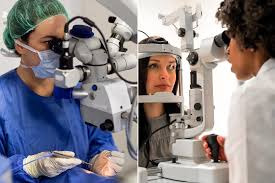
At Hampden Optical, our team can help identify cataract symptoms during your regular exam. We’ll work with you to find the best solution for your vision needs.
Frequently Asked Questions About Cataract Symptoms
Do cataracts hurt?
No, cataracts don’t cause pain. If your eyes hurt, that’s likely a different problem. See an eye doctor right away for eye pain.
Can cataracts go away on their own?
No, cataracts don’t go away without treatment. They typically get worse over time. Surgery is the only way to remove them.
Can you have cataracts in both eyes?
Cataracts usually happen in both eyes, but not always at the same rate. One eye might be worse than the other. Doctors typically operate on one eye at a time.
How long can you wait to have cataract surgery?
There’s usually no rush. Most people can wait until symptoms really bother them. Talk with your doctor about the right timing for you.
Will I need glasses after cataract surgery?
It depends on the type of artificial lens you choose. Some people still need reading glasses. Others can see clearly at all distances without glasses.
Can cataracts come back after surgery?
No, cataracts can’t come back because the natural lens is gone. But some people develop clouding on the lens capsule years later. This is easily fixed with a quick laser procedure.
Are cataracts hereditary?
Yes, you’re at higher risk if your parents or siblings had cataracts. But age is still the biggest risk factor.
Final Thoughts
Recognizing cataract symptoms early helps you stay ahead of vision problems. Remember, cataracts cause blurry vision, trouble seeing at night, sensitivity to bright lights, faded colors, and halos around lights. These symptoms usually appear after age 60 but can start earlier in some people.
The good news? Cataracts are highly treatable. Modern cataract surgery is safe, quick, and effective. Most people see much better after surgery and wish they hadn’t waited so long.
Don’t let cataracts steal the joy of seeing clearly. If you’re experiencing any symptoms we’ve discussed, schedule an eye exam. Early detection gives you more options and better outcomes.
At Hampden Optical in Mechanicsburg, PA, we’ve been helping people see clearly for over 25 years. Our experienced team offers comprehensive eye exams, expert guidance on managing cataracts in their early stages, and beautiful prescription eyewear to help you see your best.
Ready to take control of your vision? Contact us today or call 717-901-3939 to schedule your appointment. Clear vision is just a phone call away!