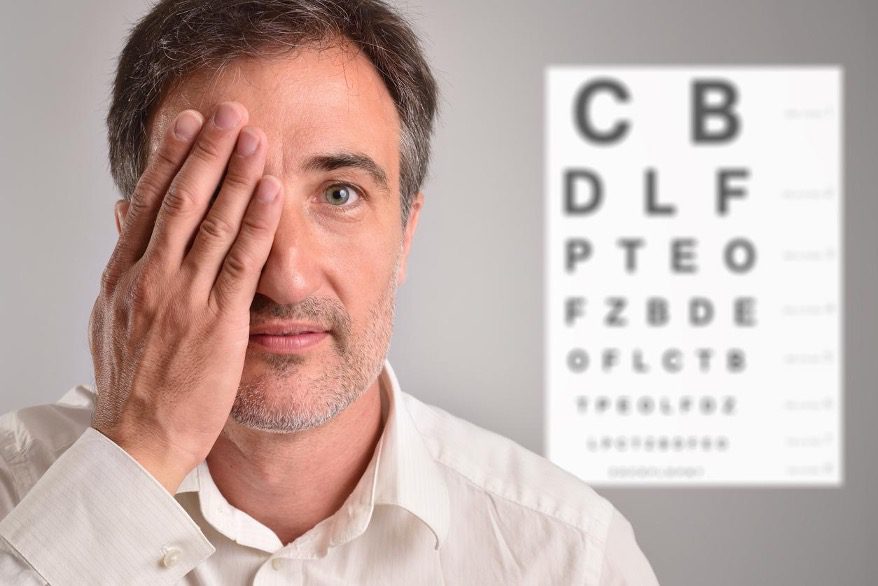
What Are Cataracts and Glaucoma
These two eye problems are very different but both can hurt your vision. Knowing what each one does helps you understand the symptoms better.

Understanding Cataracts
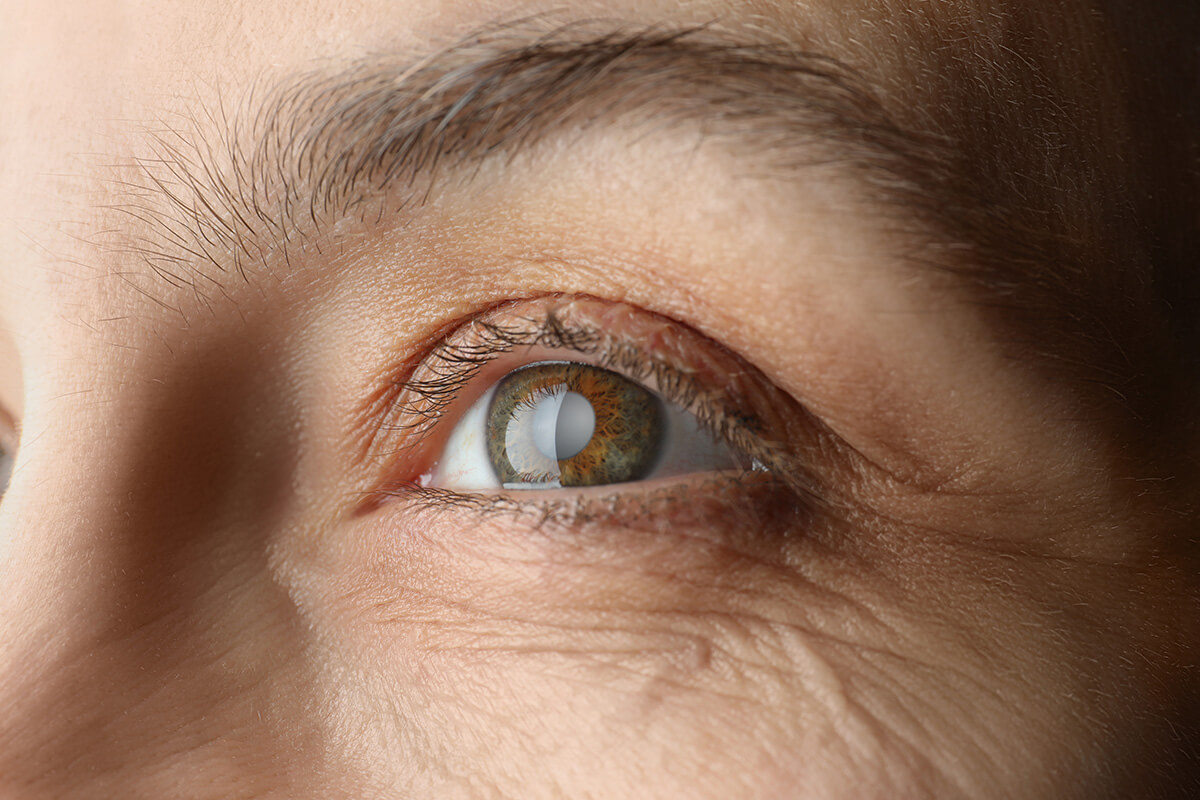
A cataract happens when the lens inside your eye gets cloudy. Think of your eye’s lens like a camera lens that needs to stay clear. When you get older, tiny proteins in this lens start to stick together. They make cloudy patches that block light from getting through.
The lens sits right behind the colored part of your eye. Its job is to focus light onto the back of your eye so you can see clearly. When cataracts form, it’s like trying to look through a dirty car windshield. Everything looks fuzzy or dim.
According to the National Eye Institute, more than half of all Americans over age 80 either have cataracts or have had surgery to fix them. That’s how common they are.
Understanding Glaucoma
Glaucoma is a group of eye diseases that damage the optic nerve. This nerve is like a cable that sends pictures from your eyes to your brain. When it gets damaged, you start losing your vision.
Most times, glaucoma happens because fluid builds up in your eye. Your eyes make a special fluid called aqueous humor that keeps them healthy. This fluid usually drains out through tiny channels. But when those channels get blocked, pressure builds up inside your eye.
High eye pressure squeezes and damages your optic nerve. The scary part? According to the Cleveland Clinic, up to half of people with glaucoma don’t even know they have it because there are often no early symptoms.
Symptoms of Cataracts and Glaucoma
Each condition shows different warning signs. Learning these symptoms helps you know when to see an eye doctor.
Common Cataract Symptoms
Cataracts usually grow slowly. You might not notice anything wrong at first. But as they get bigger, your vision changes become more obvious.
Blurry or Cloudy Vision: This is the biggest sign of cataracts. Things start looking fuzzy, like you’re looking through a foggy window. Reading becomes harder. You might need brighter lights to see clearly.
Trouble Seeing at Night: Many people with cataracts find it hard to drive after dark. Street lights look dimmer. It’s harder to see in low light.
Light Sensitivity and Glare: Bright lights can feel painful. Sunlight might seem too strong. When driving at night, headlights from other cars can be blinding. You might see halos or rings around lights.
Colors Look Faded: Colors that used to look bright now seem dull or yellowish. Everything might have a brown or sepia tone, like an old photograph. This happens because the cloudy lens changes how light enters your eye.
Double Vision: Sometimes cataracts make you see two images instead of one. To check if it’s from a cataract, close one eye at a time. If you still see double with one eye closed, it could be a cataract in that eye.
Changing Glasses Often: Your eyeglass prescription keeps changing. You need new glasses more frequently because your vision keeps getting worse.
Common Glaucoma Symptoms
Glaucoma symptoms depend on what type you have. The most common type often has no symptoms until damage is done.
Slow Vision Loss: With open-angle glaucoma (the most common type), you lose vision very slowly. It usually starts with your side vision. You might not notice until you’ve lost a lot of sight. It can feel like you’re looking through a tunnel.
Blind Spots: You might develop patches in your vision where you can’t see. These often appear in your peripheral vision first. Both eyes usually get them.
Eye Pain and Headaches: Sudden, severe eye pain can be a sign of angle-closure glaucoma. This is an emergency. The pain might come with a bad headache.
Seeing Halos Around Lights: Colored rings or circles around lights, especially at night, can signal glaucoma. This happens because high eye pressure changes how light enters your eye.
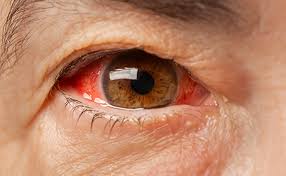
Red Eyes and Blurry Vision: If your eye suddenly turns red and your vision gets blurry quickly, get help right away. This could be acute angle-closure glaucoma.
Upset Stomach: Angle-closure glaucoma can make you feel sick to your stomach. You might feel like throwing up along with the eye pain.
Different Types and Their Visual Symptoms
Both cataracts and glaucoma come in different forms. Each type has its own set of vision problems.
Types of Cataracts
The location of the cataract changes what symptoms you notice.
Nuclear Cataracts: These form in the center of your lens. Things far away look more blurry than things close up. Everything might have a yellow or brown tint. These are the most common type in older adults.
Cortical Cataracts: These start at the edges of your lens and work their way to the center. They create white, wedge-shaped streaks. Both near and far vision get blurry. You might see more glare from lights.
Posterior Subcapsular Cataracts: These form at the back of your lens. Reading and seeing in bright light become very hard. They grow faster than other types. You’ll notice halos around lights, especially when reading outdoors.
Types of Glaucoma
Different glaucoma types affect your eyes in different ways.
Open-Angle Glaucoma: This is the most common type. It happens slowly with no pain. You lose your side vision bit by bit over years. By the time you notice, the damage is already serious.
Angle-Closure Glaucoma: This type is an emergency. Symptoms hit fast and hard – severe eye pain, blurred vision, red eye, nausea, and seeing rainbow halos. According to the American Academy of Ophthalmology, you need treatment right away to prevent blindness.
Normal-Tension Glaucoma: Your eye pressure stays normal, but your optic nerve still gets damaged. You might not have any symptoms until your vision is affected. People with certain health problems like migraines are at higher risk.
Primary Congenital Glaucoma Symptoms
This rare type of glaucoma affects babies and young children. Parents need to watch for special warning signs.
Signs in Babies and Young Children
Primary congenital glaucoma happens when a baby’s eye doesn’t develop right before birth. It affects about one in every 10,000 babies. Boys get it twice as often as girls.
Extra Large Eyes: The most noticeable sign is eyes that look bigger than normal. This is called buphthalmos. High pressure inside the eye makes it swell and grow larger.
Cloudy Corneas: The clear front part of the eye (cornea) might look cloudy or hazy. Sometimes it has a bluish tint. This cloudiness blocks light from entering properly.
Watery Eyes: Babies with this condition cry tears all the time, even when they’re not upset. The tearing is constant and excessive.
Light Sensitivity: Bright lights hurt the baby’s eyes. They might close their eyes tight or turn away from light. This is called photophobia.
Squinting and Eye Rubbing: The baby might squeeze their eyelids shut a lot. They may rub their eyes more than usual because they feel uncomfortable.
Irritability: Babies with congenital glaucoma often seem fussy or cranky. The eye pressure causes discomfort they can’t explain.
The National Institutes of Health reports that early treatment is critical. When caught and treated early, 80% to 90% of children with primary congenital glaucoma keep their vision.
When to Seek Help for Children
If you notice any of these signs in your baby or young child, see an eye doctor right away. Don’t wait. The earlier treatment starts, the better the outcome.
Children with a family history of glaucoma need regular eye checkups. If one child has congenital glaucoma, there’s a small chance (about 3%) that another child could have it too. If two children have it, the risk jumps to 25% for future children.
How Symptoms Differ Between These Eye Diseases
Even though cataracts and glaucoma can both cause vision problems, they’re very different.
Pain and Discomfort
Cataracts don’t hurt. They grow slowly and painlessly over months or years. You might feel frustrated by your changing vision, but your eyes won’t ache.
Most types of glaucoma also don’t hurt. But angle-closure glaucoma is different. It causes sudden, severe eye pain that needs emergency care.
Speed of Vision Changes
Cataracts change your vision gradually. It might take years before you really notice problems. Your eye doctor might spot early cataracts before you do during regular exams.
Open-angle glaucoma also develops slowly. But once vision loss starts, it can’t be reversed. Angle-closure glaucoma happens fast, sometimes in hours. That’s why it’s an emergency.
What Part of Vision They Affect
Cataracts make everything look blurry or cloudy. Your central vision (what you look at directly) and your peripheral vision (what you see from the corners of your eyes) both get fuzzy.
Glaucoma usually takes your peripheral vision first. You lose your side vision while your central vision stays clear. That’s why people often don’t notice it until late stages.
Can Vision Be Restored
This is a huge difference. Cataract surgery can bring back your clear vision. The surgeon removes the cloudy lens and puts in a clear artificial one.e
With glaucoma, vision loss is permanent. Treatment can stop more damage, but it can’t fix what’s already lost. That’s why early detection matters so much.
Glaucoma Symptoms and Treatment Options
Catching glaucoma early is key. The sooner you start treatment, the more vision you can save.
Medical Treatment
Eye Drops: Most people with glaucoma use prescription eye drops every day. These drops either make less fluid in your eye or help it drain better. You must use them exactly as your doctor says, even if you feel fine.
Pills: Sometimes doctors prescribe medicine you take by mouth. These work like eye drops to lower eye pressure. They’re often used along with drops.
Laser Treatment
Your doctor might use a laser to improve how fluid drains from your eye. It’s done right in the office. The procedure helps lower eye pressure without cutting into your eye.
Surgery
When drops and lasers don’t work well enough, surgery becomes an option. The surgeon creates a new way for fluid to drain from your eye. This lowers the pressure and protects your optic nerve from more damage.
New minimally invasive surgeries (called MIGS) use tiny implants and small cuts. They heal faster and have fewer risks than traditional surgery.
Glaucoma Sign and Symptoms to Monitor
If you have glaucoma, watch for these changes:
- New blind spots in your vision
- Harder time seeing at night
- More trouble with glare
- Side effects from eye drops like red eyes or stinging
- Any sudden eye pain or vision changes
Tell your doctor right away if you notice any of these problems. Your treatment might need adjusting.
Risk Factors for Both Conditions
Some things make you more likely to develop cataracts or glaucoma. Knowing your risks helps you stay alert.
Age-Related Risks
Getting older is the biggest risk factor for both conditions. Most people over 60 have some cataract changes in their lenses. Your risk for glaucoma also goes up after age 60.
Family History
If your parents or siblings have glaucoma, you’re at higher risk. The same goes for cataracts. These conditions can run in families.
Other Health Conditions
Diabetes increases your risk for both cataracts and glaucoma. High blood pressure also raises your glaucoma risk. If you have these conditions, you need regular eye exams.
Lifestyle Factors
Smoking makes cataracts develop faster. It also increases glaucoma risk. Drinking too much alcohol can contribute to cataracts. Long-term steroid use raises your risk for both conditions.
Eye Injuries
An injury to your eye can cause cataracts to form, even years later. Trauma can also lead to glaucoma. Always wear safety glasses when doing risky activities.
When to Get Your Eyes Checked
Regular eye exams are the best way to catch these problems early.
Recommended Exam Schedule
If you’re under 40 with no risk factors, get your eyes checked every few years. Between 40 and 54, have an exam every 2 to 4 years. From 55 to 64, go every 1 to 3 years.
Once you hit 65, get annual eye exams. If you have risk factors like diabetes or family history of eye disease, you might need exams more often. Ask your doctor what’s right for you.
Warning Signs That Need Immediate Attention
Some symptoms mean you need to see a doctor right away, not at your next scheduled exam. Don’t wait if you have:
- Sudden vision loss in one or both eyes
- Severe eye pain that won’t go away
- Sudden blurry vision with eye pain
- Red, painful eye with nausea
- Seeing flashes of light or many new floaters
- A curtain or shadow over part of your vision
These could be signs of serious problems like angle-closure glaucoma or retinal detachment. Get emergency care.
What Happens During a Comprehensive Eye Exam
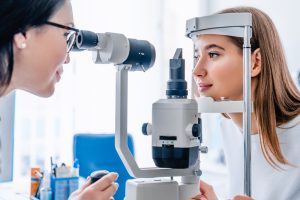
A complete eye exam checks for many problems, including cataracts and glaucoma. Your eye doctor will:
- Test how well you see at different distances
- Check your eye pressure (this doesn’t hurt)
- Dilate your pupils with eye drops to examine inside your eyes
- Look at your optic nerve and retina
- Test your peripheral vision
- Examine your eyes with special lights and lenses
The whole exam usually takes about an hour. Your vision will be blurry for a few hours after from the dilating drops, so bring someone to drive you home.
Living with Vision Glaucoma Symptoms
If you’re diagnosed with glaucoma, you can still live a full, active life. But you’ll need to make some adjustments.
Following Your Treatment Plan
The most important thing is using your medications exactly as prescribed. Set reminders on your phone for eye drop times. Keep your drops where you’ll see them every day.
Miss too many doses and your eye pressure goes up. This causes more damage to your optic nerve. Stick with your treatment even when you feel fine.
Making Your Home Safer
As your vision changes, you might need to adjust your home. Add brighter lights in dark areas like hallways and stairs. Remove tripping hazards like loose rugs or clutter on floors. Use night lights so you can see better at night.
Staying Active Safely
You can still exercise and stay active. But talk to your doctor about which activities are safe. Some things that increase eye pressure (like yoga poses where your head is down) might not be recommended.
Regular Follow-Up Visits
Your eye doctor will want to see you regularly to check your eye pressure and optic nerve. These visits help make sure your treatment is working. If it’s not, your doctor can adjust your plan.
Preventing Vision Loss
You can’t always prevent cataracts or glaucoma, but you can protect your eye health.
Protect Your Eyes from the Sun
UV rays from the sun can speed up cataract formation. Wear sunglasses that block 100% of UV rays whenever you’re outside. A hat with a brim gives extra protection.
Don’t Smoke
Smoking damages your eyes in many ways. It makes cataracts develop faster and increases your risk for many eye diseases. If you smoke, ask your doctor for help quitting.
Eat a Healthy Diet
Foods rich in antioxidants may help protect your eyes. Eat plenty of colorful fruits and vegetables, especially dark leafy greens. Fish with omega-3 fatty acids like salmon are also good for eye health.
Control Health Conditions
Keep your blood sugar under control if you have diabetes. Manage your blood pressure. These steps protect your whole body, including your eyes.
Exercise Regularly
Regular physical activity helps lower eye pressure and keeps you healthier overall. Even a 30-minute walk most days can make a difference.
Understanding Treatment Options
Both conditions are treatable. The key is knowing when to start treatment.
Cataract Treatment
In the early stages, you might not need treatment. Your doctor might just watch the cataract to see how fast it grows. Stronger glasses or better lighting might help for a while.
When cataracts make daily activities difficult, surgery is the answer. Cataract surgery is very safe and one of the most common surgeries done in the U.S. The surgeon removes your cloudy lens and replaces it with a clear artificial lens.
You’ll likely go home the same day. Most people see much better within a few days. According to the Mayo Clinic, cataract surgery has a very high success rate.
Combining Cataract and Glaucoma Treatment
Some people have both cataracts and glaucoma. In these cases, your doctor might recommend treating both at once. Newer glaucoma surgeries (MIGS) can be done during cataract surgery.
Interestingly, cataract surgery itself often lowers eye pressure a bit. This can help with glaucoma management.
Can You Have Both Conditions
Yes, it’s possible to have both cataracts and glaucoma at the same time. They’re different problems, but they can exist together.
How They Relate to Each Other
Cataracts and glaucoma don’t cause each other. But they share some risk factors like aging and diabetes. That’s why many people develop both.
Some glaucoma medications can make cataracts develop faster. And in rare cases, very advanced cataracts can increase eye pressure and contribute to glaucoma.
Managing Both Conditions
If you have both, your eye doctor will create a treatment plan that addresses each problem. You might use glaucoma eye drops while monitoring your cataracts. When your cataracts need surgery, your doctor will plan it carefully to protect against glaucoma complications.
Questions to Ask Your Eye Doctor
When you visit your eye doctor, come prepared with questions. Here are some good ones to ask:
- Do I have cataracts, glaucoma, or both?
- How serious is my condition?
- What treatment do you recommend?
- What are the risks and benefits of treatment?
- How often should I have my eyes checked?
- What symptoms should I watch for?
- Are there lifestyle changes I should make?
- Will my vision get worse?
- Can my family members be at risk?
- Are there any activities I should avoid?
Write down your doctor’s answers so you can review them later. Bring a family member to help you remember the information.
The Importance of Early Detection
Both cataracts and glaucoma are easier to manage when caught early.
Why Regular Exams Matter
Many eye problems have no symptoms at first. You can have glaucoma for years without knowing it. Regular exams find problems before you notice anything wrong.
During an exam, your doctor can spot tiny changes that signal the start of cataracts or glaucoma. Early treatment protects your vision for years to come.
What Happens If You Wait Too Long
Delaying treatment can have serious consequences. With glaucoma, every day of high eye pressure damages more of your optic nerve. Once that nerve is damaged, you can’t fix it.
Advanced cataracts make surgery more complicated. They can also cause other eye problems like inflammation. It’s better to treat cataracts before they get too thick.
Support and Resources
Living with eye disease can feel overwhelming. But you don’t have to face it alone.
Finding Support Groups
Many communities have support groups for people with vision problems. These groups let you meet others who understand what you’re going through. They share tips for daily living and emotional support.
Low Vision Services
If your vision gets worse despite treatment, low vision services can help. These specialists teach you how to make the most of your remaining vision. They recommend devices like magnifiers, special lighting, and other aids.
Staying Informed
Learn about your condition from trusted sources. Ask your eye doctor for educational materials. Websites from the National Eye Institute and American Academy of Ophthalmology offer reliable information.

Final Thoughts
Understanding the symptoms of cataracts and glaucoma empowers you to protect your vision. Cataracts cause cloudy, blurry vision that develops slowly and can be fixed with surgery. Glaucoma often shows no symptoms until you’ve lost vision, making regular eye exams critical. Both conditions are serious but treatable when caught early.
Don’t wait for symptoms to appear. Schedule regular eye exams, especially if you’re over 60 or have risk factors. If you notice any vision changes, see your eye doctor right away. Early detection and treatment can save your sight.
At Hampden Optical in Mechanicsburg, PA, our experienced team provides comprehensive eye exams using advanced diagnostic tools. We can detect early signs of cataracts, glaucoma, and other eye diseases. Contact us today to schedule your appointment and take the first step toward protecting your vision for years to come.