No, stopping the use of glasses will not make your eyesight better. When you take them off, your vision goes back to how it was before. Glasses help you see clearly while you wear them, but they don’t fix the root cause of vision problems. This article will explain why glasses work the way they do, what happens when you stop using them, and the best ways to keep your eyes healthy.
How Glasses Work and What They Really Do?
Glasses bend light so it hits the right spot in your eye. Think of them like a window that makes everything look clear and sharp.
Your eye has a front part called the cornea and a lens inside. When these parts have the wrong shape, light doesn’t land where it should. This causes blurry vision. Glasses fix this problem by changing how light enters your eye.
About 75% of adults can see 20/20 with glasses or contacts, which shows how well they work. But here’s the catch: they only work while you’re wearing them.
What Happens to Your Eyes When You Wear Glasses?
When you put on glasses, your eyes don’t have to work as hard. It’s like using a tool to make a job easier. But your eyes aren’t getting weaker—they’re just relaxing.
Glasses don’t change the basic structure of your eyes. They’re helpers, not fixers. Once you remove them, your vision returns to its normal state.
Will Not Wearing Glasses Make Your Eyes Better
The short answer is no. Your eyes won’t suddenly heal themselves if you stop wearing glasses. In fact, you might feel worse without them.
What Really Happens When You Skip Your Glasses:
Not wearing glasses when you need them causes your eyes to strain. You might get:
- Headaches
- Tired eyes
- Trouble focusing
- Blurry vision
- Eye fatigue
Not using glasses will strain and tire your eyes, but it won’t worsen your vision or cause eye disease. Your eyes work overtime trying to focus, which feels uncomfortable but doesn’t cause lasting harm for most people.
Think of it like squinting in bright sunlight. It’s tiring, but it won’t damage your eyes.
Can You Train Your Eyes to See Better Without Glasses:
Many people wonder if eye exercises can help them see clearly without glasses. The truth is a bit disappointing.
Major medical groups like the American Academy of Ophthalmology say there’s no proof that natural vision exercises correct nearsightedness or farsightedness. While some exercises might help with specific problems like eye coordination, they won’t fix common vision issues.
The “Bates Method” and similar programs promise better vision through exercises. But doctors agree these don’t work for most people. Does reading improve eyesight or help you avoid glasses? Not really. Reading is good for your mind, but it won’t change how your eyes focus light.
Does Wearing Your Glasses Make Your Eyesight Worse?
This is one of the biggest myths about glasses. Many people worry that once they start wearing glasses, they’ll need them forever.
Here’s what actually happens: your vision might change naturally over time due to age or other factors. This would happen whether you wear glasses or not.
Glasses themselves don’t weaken your eyes or make your vision worse over time. What really happens is that you get used to seeing clearly. When you take your glasses off, your blurry vision feels worse than it did before because you remember what clear vision looks like.
Special Cases: Kids and Eye Development
For children, glasses play a bigger role. Kids under age 9 need accurate glasses because they’re still developing vision skills. Not wearing the right prescription could affect how their eyes and brain learn to work together.
If your child needs glasses, make sure they wear them as directed. It helps their eyes develop properly.
Can Eyesight Improve on Its Own
Sometimes vision changes on its own, but usually not in the way people hope.
When Vision Gets Better Without Help:
In rare cases, eyesight without glasses might seem better. This can happen because:
- Blood sugar changes (especially in people with diabetes)
- Getting more rest
- Less stress
- Better overall health
But these changes are usually small and temporary. Once adult vision declines due to age or genetics, it’s unlikely to improve significantly without medical help. Can eyesight improve on its own for most adults? Unfortunately, no.
Age-Related Vision Changes:
As you get older, your eyes change naturally. You might need stronger glasses or different prescriptions for reading. This is normal and happens to almost everyone.
Around age 40, many people develop presbyopia—trouble seeing things up close. This is why reading glasses become common as we age.
What Actually Helps Your Vision
While you can’t make your vision perfect without glasses, you can protect what you have.
Eat Foods That Support Eye Health:
Your eyes need good nutrition. Fill your plate with:
- Leafy greenslike spinach and kale (full of lutein and zeaxanthin)
- Fishlike salmon and tuna (omega-3 fatty acids help prevent dry eyes)
- Carrots(vitamin A supports the retina)
- Eggs(contain multiple eye-healthy nutrients)
- Citrus fruits(vitamin C protects against damage)
While these foods won’t give you perfect vision, they help keep your eyes healthy as you age.
Give Your Eyes Regular Breaks:
If you work on a computer all day, follow the 20-20-20 rule:
- Every 20 minutes
- Look at something 20 feet away
- For 20 seconds
This simple habit reduces eye strain and keeps your eyes feeling fresh.
Protect Your Eyes From Harm:
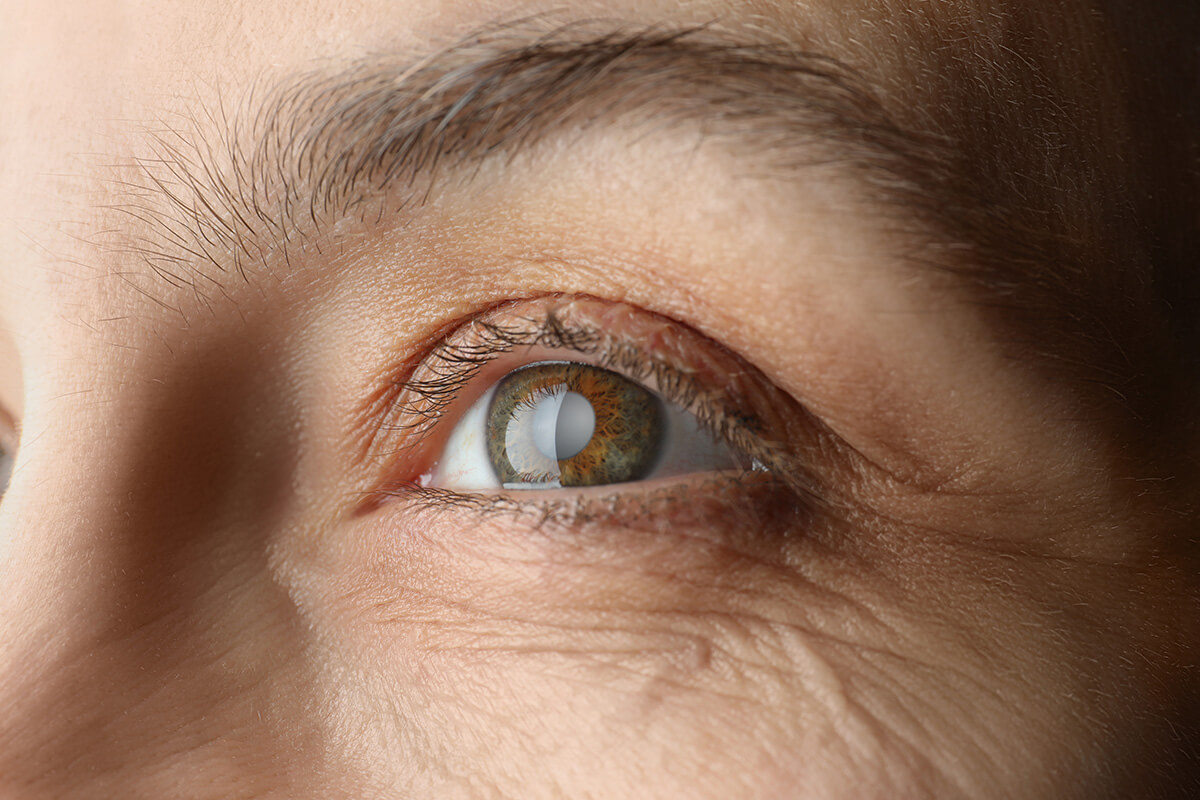
Wear sunglasses when you’re outside. UV light can cause cataracts and macular degeneration over time. Look for sunglasses that block both UVA and UVB rays.
Also, wear safety glasses when doing yard work, playing sports, or working with tools.
Get Regular Eye Exams:
Comprehensive eye examscatch problems early. Research shows that 14 million Americans have vision problems that could be corrected, but many don’t know it.
Adults should get their eyes checked:
- Every 1-2 years if you’re under 60
- Every year, if you’re over 60
- Every year, if you have diabetes or a family history of eye disease
Kids need annual exams too. Pediatric vision screeninghelps catch problems before they affect learning and development.
Is There a Best Medicine to Improve Eyesight
No magic pill makes your vision better. The best medicine to improve eyesight is really about prevention and care, not a single medication.
Some eye conditions can be treated with medicine:
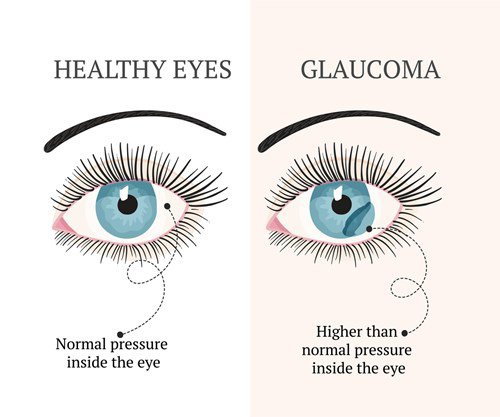
- Eye drops for glaucoma
- Injections for macular degeneration
- Treatments for infections or inflammation
But these treat diseases, not common vision problems like nearsightedness or farsightedness.
What About Vision Correction Surgery:
Surgery like LASIK can reduce or eliminate the need for glasses. It works by reshaping your cornea permanently. This is currently the only way to truly “improve” vision without glasses for many people.
However, surgery isn’t right for everyone. Talk to an eye care specialistto learn if you’re a good candidate.
Understanding Your Prescription
Your glasses prescription includes numbers that might seem confusing. Here’s what they mean:
Term What It Means:
Nearsighted (Myopia): You see close objects clearly, but far objects are blurry.
Farsighted (Hyperopia): You see far objects clearly, but close objects are blurry.
Astigmatism:Your cornea has an uneven shape, causing blurry vision at all distances.
Presbyopia: Age-related difficulty seeing close-up (usually starts around 40)
Understanding your prescription helps you choose the right eyewearand know what to expect.
When You Should Wear Your Glasses
Your doctor will tell you how often to wear glasses. Some people need them all the time. Others only need them for certain activities, like:
- Driving
- Reading
- Using a computer
- Watching TV
Whatever your doctor recommends, follow their advice. Wearing your glasses as prescribed helps you function better and stay safe.
Common Questions About Glasses and Vision
Will my eyes get dependent on glasses?
No. Your eyes won’t become “addicted” to glasses. You just get used to seeing clearly.
Can I switch between wearing and not wearing glasses?
Yes, for most people. But you might feel uncomfortable or get headaches without them.
Do I need to wear my glasses all the time?
It depends on your prescription. Ask your eye doctor what they recommend.
Will my prescription keep getting worse?
Maybe. Vision can change due to age, health conditions, or other factors. Regular checkups help track changes.
Final Thoughts
Stopping the use of glasses won’t improve your eyesight. Your vision needs correction, and glasses provide that help. While wearing them, you see clearly. When you take them off, your vision returns to its uncorrected state.
The best way to care for your eyes is through healthy habits: eating nutritious foods, protecting your eyes from UV rays, taking breaks from screens, and getting regular eye exams.
If you’re unhappy with glasses, talk to your eye care provider about alternatives like contacts or surgery. But remember—taking care of your eye health starts with understanding how your vision works and using the right tools to see your best.
Ready to find the perfect eyewear solution? Visit our galleryto see our selection of stylish frames, or contact usto schedule your next eye exam. Your eyes deserve expert care and frames that make you look and feel great.