Yes, you can see a regular doctor for an eye infection. Your primary care doctor can treat common eye infections like pink eye and give you medicine if you need it. They can also send you to an eye specialist if your infection is serious or doesn’t get better.
Most eye infections are simple problems that your regular doctor handles every day. But it helps to know when you need a specialist and what kind of care works best for your situation. This guide will help you understand your options and get the right care fast.
What Types of Doctors Can Help With Eye Infections?
You have three main choices when your eye gets infected.
Your primary care doctor (your regular family doctor) treats the most common eye infections. They can look at your eye, figure out what’s wrong, and give you medicine. This works great for simple problems like pink eye.
An optometrist is a doctor who focuses on the eyes. They don’t do surgery, but they know a lot about eye health. They can check your vision, give eye exams, and treat infections with drops or pills.
An ophthalmologist is a medical doctor who does eye surgery. You usually see them for serious problems or if you need an operation.
For most eye infections, your regular doctor or optometrist can help. You might need an ophthalmologist if the infection is very bad or affects deeper parts of your eye.

When to See Your Regular Doctor First
Start with your family doctor when you notice:
- Red or pink eyes
- Watery eyes that won’t stop
- Mild itching or burning
- A little bit of clear or white discharge
- Crusty eyelids in the morning
Your regular doctor can check these symptoms quickly. They know how to tell if you have pink eye, allergies, or something else. They can prescribe medication or refer you to a specialist if necessary.
Many people pick their family doctor because it’s easy to get an appointment quickly. You might already have a visit scheduled for something else. Plus, your doctor knows your health history.
What Eye Infections Can Regular Doctors Treat?
Pink Eye (Conjunctivitis):
This is the most common eye infection. Regular primary care doctors can treat most cases of pink eye, whether it’s from bacteria, viruses, or allergies.
Bacterial pink eye needs antibiotic drops. Viral pink eye usually goes away on its own in one to two weeks. Allergy pink eye gets better when you avoid what’s bothering you or use allergy medicine.
Styes:
A stye is a red bump on your eyelid. It happens when oil glands get blocked and infected. Most styes heal by themselves in about a week. Your doctor can tell you how to treat it at home with warm cloths.
Minor Eye Irritation:
Sometimes dust, pollen, or other stuff gets in your eye and causes redness. Your regular doctor can check if it’s just irritation or a real infection.
If you wear contact lenses and get a red eye, see a doctor within one day. Contact lens problems can turn serious fast.
When You Need an Eye Specialist
Some infections need an eye doctor for eye infection care right away:
- Severe pain in your eye
- Big changes in your vision
- Thick yellow or green discharge that won’t stop
- Extreme light sensitivity
- Swelling around your whole eye
- Symptoms that last more than a week
- A second infection after treatment
Contact lens wearers with red eyes for over a day should see a specialist. Infections under contact lenses can damage your cornea.
If you had eye surgery recently and notice infection signs, call your eye doctor immediately. Infections after surgery can be very serious.
Understanding Optometrists vs. Ophthalmologists
What Optometrists Do:
Optometrists give eye exams and check your vision. They can spot eye diseases early and treat many infections. They can diagnose and treat problems like pink eye or a scratched cornea and prescribe medication if needed.
Think of an optometrist like your eye’s primary doctor. They handle day-to-day eye health and send you to a surgeon when you need one.
At Hampden Optical, our team provides comprehensive eye exams and can help diagnose and manage eye infections as part of complete eye care services.
What Ophthalmologists Do:
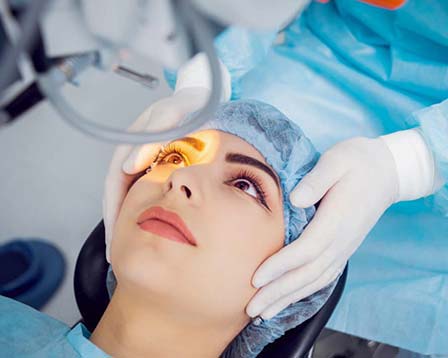
Ophthalmologists are medical doctors who went to medical school and can do surgery. They treat serious eye diseases, do laser procedures, and fix complex problems.
You see an ophthalmologist when:
- You need eye surgery
- Your infection is very serious or rare
- Regular treatment isn’t working
- You have a disease like glaucoma
Many times, your optometrist will work with an ophthalmologist to give you complete care.
Eye Infections in Children Need Special Care
Kids get eye infections a lot, especially in school and daycare. Up to 1 in 8 children will have an eye infection each year.
When to Take Your Child to the Doctor:
See a pediatric eye infection doctor if your child has:
- Red eyes with yellow or green discharge
- Swollen eyelids
- Pain or crying when they touch their eye
- Trouble opening their eyes in the morning
- Symptoms that don’t get better in two days
For babies under one month old, any eye infection needs immediate care. Newborns can develop serious health problems if eye infections aren’t treated promptly.
Pink Eye Spreads Fast in Kids:
Pink eye moves through classrooms quickly. Keep your child home until they’ve used medicine for 24 hours. This stops other kids from getting sick.
Teach your child to wash their hands often and not touch their eyes. Change their pillowcase and towels every day until the infection clears.
What Happens at Your Doctor Visit
Your doctor will ask questions about your symptoms:
- When did they start?
- Does one eye or both eyes hurt?
- What does the discharge look like?
- Do you wear contacts?
- Are you around anyone else who’s sick?
They’ll look at your eye with a light. They might check how well you can see. Sometimes they take a sample of the discharge to test it.
Based on what they find, your doctor will either:
- Give you medicine to use at home
- Suggest ways to care for your eyes
- Send you to an eye specialist for more tests
Most visits are quick, and you’ll know what to do before you leave.
Treatment Options Your Doctor Might Recommend
For Bacterial Infections:
Antibiotic eye drops or ointment work best. You’ll use them several times a day for about a week. Don’t stop using them early, even if you feel better.
For Viral Infections:
There’s usually no medicine for viral eye infections. They go away by themselves. Your doctor might suggest:
- Cool or warm cloths on your eyes
- Artificial tears to ease discomfort
- Staying home so you don’t spread it
For Allergies:
Antihistamine pills or allergy eye drops help. Your doctor will also tell you to avoid whatever triggers your allergies.
Home Care Tips:
No matter what kind of infection you have:
- Wash your hands before and after touching your eyes
- Use a clean towel each time you wipe your eye
- Don’t wear eye makeup until you’re healed
- Throw away old makeup that might be contaminated
- Don’t share towels or pillows
Learn more about dry eye, allergies, and conjunctivitis care to understand related eye conditions.
How to Prevent Eye Infections?
Good habits keep your eyes healthy:
- Wash your hands throughout the day, especially before touching your face
- Don’t share makeup, towels, or pillowcases
- Clean your contacts properly every time (or use daily disposables)
- Replace contact cases every three months
- Take out contacts before sleeping
- Protect your eyes from dirt and chemicals
If you work in dusty places or use chemicals, wear safety glasses. Swimming goggles help too when you’re in pools or lakes.
Special Situations: When to Choose an Eye Doctor
You Wear Contact Lenses:
Contact lens wearers should see an eye doctor if they have red eyes for more than one day. Infections under contacts can cause permanent damage quickly.
An optometrist or ophthalmologist knows more about contact lens problems than a regular doctor. They have special tools to check under your lenses.
You Have Diabetes:
People with diabetes have a higher risk of serious eye infections. Your blood sugar affects how your body fights infection.
See an eye specialist regularly if you have diabetes. They’ll watch for signs of problems before they start. The best doctor for eye infection care when you have diabetes is often an ophthalmologist who understands how the disease affects your eyes.
You Had Recent Eye Surgery:
Any redness, pain, or discharge after eye surgery needs immediate attention from your eye surgeon. Don’t wait or see a different doctor first. Call the surgeon who did your operation.
Your Symptoms Keep Coming Back:
If you get eye infections often, an optometrist can figure out why. Maybe your contacts don’t fit right, or you have dry eyes, or something else is causing repeat problems.
Cost and Insurance Considerations
Most health insurance covers visits to your regular doctor for eye infections. You’ll pay your normal copay or deductible.
Vision insurance usually covers optometrist visits. Check your plan to see what’s included.
If you don’t have insurance:
- Urgent care clinics often cost less than emergency rooms
- Many optometry offices offer payment plans
- Some cities have free or low-cost eye clinics
Don’t skip treatment because of cost. Untreated eye infections can damage your vision. Many doctors will work with you on payment.
Making the Right Choice for Your Eye Health
Here’s a simple way to decide:
See your regular doctor: When you have mild symptoms; it’s easy to get an appointment, and you think it might be simple pink eye.
See an optometrist or ophthalmologist: When you wear contacts, have pain or vision changes, have tried treatment that didn’t work, or get infections often.
Go to urgent care or the ER: When you have severe pain, sudden vision loss, major swelling, or can’t reach your regular doctor.
Trust your gut. If something feels really wrong with your eye, don’t wait. Eyes are precious, and it’s better to check and be safe.
Questions to Ask Your Doctor
When you visit for an eye infection, ask:
- Is this bacterial, viral, or from allergies?
- How long will it take to get better?
- Can I go to work or school?
- When should I come back if it’s not better?
- Do I need to see a specialist?
- Can my family catch this from me?
- What can I do at home to feel better faster?
Write down the answers or take notes on your phone. It’s easy to forget details when you’re uncomfortable.
Final Thoughts
Yes, you can see a regular doctor for most eye infections. They handle common problems like pink eye every day and can give you the medicine you need. But don’t hesitate to see an optometrist or doctor for eye infection care if your symptoms are serious or you need specialized treatment.
The most important thing is getting help quickly. Eye infections usually get better fast with proper care, but waiting too long can cause problems. Whether you choose your family doctor, an optometrist, or an ophthalmologist, what matters most is taking care of your eyes right away.
If you’re not sure who to see, start with whoever you can see fastest. They’ll point you in the right direction if you need different care. Your vision is worth protecting.
Ready to schedule an eye exam or concerned about an eye infection? Contact Hampden Optical today for expert eye care in a friendly, welcoming environment. Our experienced team is here to help you see clearly and feel comfortable.