Yes, you can absolutely get a headache from not wearing your glasses. When you skip your glasses, your eyes work extra hard to see clearly. This causes eye strain, which leads to headaches that feel like pressure around your forehead, behind your eyes, or at your temples.
Think about it like this: your eyes are muscles. When they work too hard for too long, they get tired and sore. That soreness shows up as a pounding headache that just won’t quit.
In this article, you’ll learn exactly why not wearing glasses causes headaches, what type of headache you’ll get, and how to find relief quickly. We’ll also cover when you should worry and see a doctor.
Why Does Not Wearing Your Glasses Give You a Headache?
When you don’t wear your glasses, your eyes try to make up for the blurry vision on their own. Your eye muscles squeeze and adjust constantly, trying to bring things into focus. This extra work wears them out fast.
Your brain also struggles when your eyes can’t see clearly, working harder to interpret the blurry signals it receives. This double whammy of tired eye muscles and an overworked brain creates the perfect storm for a headache.
Your Eyes Work Like Muscles:
Just like your arms get tired from lifting heavy boxes, your eye muscles get tired from trying to focus without help. The difference is that you can put down the boxes, but you can’t just stop using your eyes.
About 77% of adults report experiencing symptoms of digital eye strain, which includes headaches from vision problems. That’s more than three out of every four people dealing with this issue.
Different Vision Problems Cause Different Headaches:
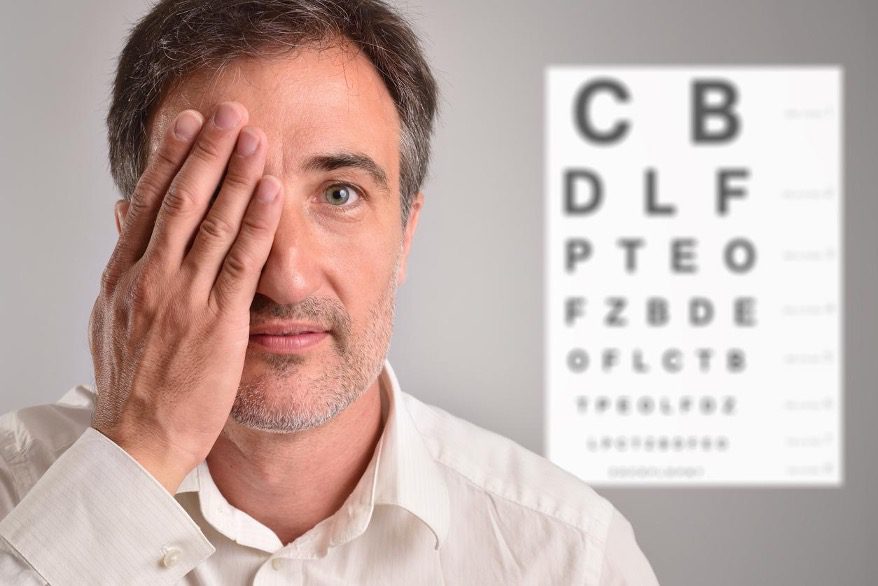
Nearsightedness (Myopia): If you’re nearsighted, you see close things clearly, but far things look blurry. Without glasses, light bends incorrectly and focuses in front of your retina instead of on it. This makes your eyes strain constantly, especially when driving or watching TV.
Farsightedness (Hyperopia): Farsighted people see far things well but struggle up close. Reading, phone use, and computer work become torture without correction. Your eyes must work harder because the eyeball may be too short or the cornea has too little curvature.
Astigmatism: This happens when your cornea has an irregular shape. Instead of being round like a basketball, it’s shaped more like a football. Light can’t focus properly, and your eyes work overtime to compensate. One in three Americans lives with astigmatism, often without realizing their eyes are struggling.
What Type of Headache Do You Get Without Glasses?
The headaches caused by not wearing eyeglasses are typically tension-type or ocular in nature. Here’s what you’ll feel:
Tension Headaches: These feel like a tight band wrapped around your forehead. The pain starts at the back of your head and spreads forward. You might also feel tightness in your neck and shoulders.
Ocular Headaches: The pain sits right behind or around your eyes. It feels like pressure or soreness, like someone is pushing on your eyeballs from the inside.
These headaches usually show up in the afternoon or evening after hours of trying to see without your glasses. They get worse with more visual work and better with rest.
Other Symptoms That Come With the Headache:
You won’t just get a headache. Here are other signs your eyes are struggling:
- Constant squinting (which causes wrinkles around your eyes)
- Blurry or double vision
- Red, watery eyes
- Extreme tiredness
- Trouble focusing on tasks
- Stiff neck and shoulders from adjusting your posture to see better
How Long Until You Get a Headache Without Your Glasses?
This depends on a few things:
- How strong your prescription is: Stronger prescriptions mean faster headaches
- What you’re doing: Reading or screen time causes headaches faster than just walking around
- Your age: Kids and young adults may develop headaches quicker
- How long you’ve gone without glasses: The longer you skip them, the worse it gets
Some people notice a dull ache after just an hour or two. Others might make it through half a day before the pain hits. But here’s the thing: the headache is coming. It’s just a matter of time.
Nearly seven in 10 people report experiencing symptoms associated with digital eye strain, and headaches are at the top of the list.
Can Skipping Your Glasses Make Your Vision Worse?
Here’s some good news: not wearing your glasses won’t make your actual prescription worse in adults. Your vision won’t get better either, but you’re not causing permanent damage.
However, not wearing glasses regularly can shift focus away from the retina in children or people under 20, which may increase prescription needs.
The bigger problem isn’t your prescription changing. It’s the quality of life issues that pile up when you skip your glasses:
- Daily headaches that drain your energy
- Difficulty concentrating at work or school
- Dangerous driving conditions
- Premature wrinkles from constant squinting
- Ongoing fatigue that affects everything you do
How to Get Rid of a Headache From Not Wearing Glasses
The fastest fix is simple: put your glasses on. Seriously. Once your eyes get the help they need, the headache will start fading within minutes to an hour.
Here are other things that help:
Immediate Relief Steps:
- Wear your glasses consistently – Don’t take them on and off. Your eyes need steady support.
- Follow the 20-20-20 rule – Every 20 minutes, look at something 20 feet away for 20 seconds. This relaxes your eye muscles.
- Rest your eyes – Close them for a few minutes. Give those tired muscles a break.
- Stay hydrated – Dehydration can make headaches worse. Drink water throughout the day.
- Use artificial tears – Dry eyes make eye strain worse. Eye drops provide quick relief.
- Take a pain reliever – Over-the-counter medicine like ibuprofen can help with stubborn headaches.
- Adjust your lighting – Too bright or too dim makes your eyes work harder. Match your room lighting to your screen brightness.
Long-Term Solutions:
Get regular eye exams: Your prescription changes over time. A thorough eye test can determine whether vision problems are causing your headaches. Book a comprehensive eye exam at least once a year.
Update your glasses: Old prescriptions cause headaches, too. If your glasses are more than two years old, it’s time for a check.
Try computer glasses: Regular glasses might not be right for screen work. Ask about custom progressives or specialty coatings designed for digital devices.
Consider contact lenses: If you hate wearing glasses, contacts might solve your problem. They provide a clear vision without frame discomfort.
Protect from blue light: Screens emit blue light that strains your eyes. Learn more about protecting your eyes from harmful blue light with special coatings or glasses.
When Should You See a Doctor?
Most headaches from not wearing glasses go away once you put them on and rest. But sometimes, the headache signals a bigger problem.
See a doctor if:
- Your headaches don’t improve after wearing your glasses for a few days
- The pain is severe or sudden
- You have vision changes like seeing flashing lights or dark spots
- You also have a fever, a stiff neck, or confusion
- Your headaches wake you up at night
- One side of your face feels numb or weak
These symptoms might point to something beyond simple eye strain. Better safe than sorry.
Could Your Glasses Be Wrong?
Sometimes the glasses themselves cause problems. If you’re wearing your glasses but still getting headaches, the issue might be:
- Wrong prescription: Too strong or too weak
- Poor fit: Frames pinching your nose or temples
- Wrong type: Distance glasses used for computer work (or vice versa)
- Adjustment period: New glasses take time to get used to
Visit Hampden Optical for a frame adjustment or prescription check. Our team will make sure your glasses fit right and work properly.
Tips to Prevent Glasses-Related Headaches
Prevention beats treatment every time. Here’s how to avoid situations where not wearing your glasses can give you a headache situations altogether:
Wear your glasses every day: Make it part of your morning routine, like brushing your teeth.
Keep backup glasses: Lost or broken glasses shouldn’t leave you helpless. Have a spare pair ready.
Clean your lenses daily: Smudgy, dirty lenses make your eyes work harder. Clean glasses mean clearer vision and less strain.
Take screen breaks: Digital eye strain affects over 50% of computer users. Look away from screens regularly.
Set up your workspace properly: Your screen should be at arm’s length and slightly below eye level. This reduces strain on your eyes and neck.
Blink more often: We normally blink 14-16 times per minute, but this drops to 4-6 times when using screens. Conscious blinking helps.
Get enough sleep: Tired eyes strain more easily. Aim for 7-8 hours of sleep each night.
Glasses for Headaches: What Works Best?
Not all glasses are created equal when it comes to preventing headaches. Here’s what to look for:
Anti-reflective coating: Reduces glare from screens and overhead lights that strain your eyes.
Blue light filtering: Helps if you spend lots of time on digital devices.
Proper fit: Frames shouldn’t pinch anywhere. Tight glasses cause pressure headaches on top of eye strain headaches.
Correct prescription: This is non-negotiable. Even slight errors cause problems.
Appropriate lens type: Single vision for one distance, bifocals for two, or progressives for seamless vision at all distances.
The experts at Hampden Optical can help you choose the right prescription eyeglasses and frames for your specific needs and lifestyle.
Final Thoughts
Can you get a headache from not wearing glasses? Absolutely yes. Your eyes aren’t designed to struggle through blurry vision all day. When you skip your glasses, a headache without glasses becomes inevitable as your eyes and brain work overtime trying to compensate.
The solution is straightforward: wear your glasses consistently, take regular breaks, and keep your prescription current. Most glasses headaches disappear quickly once you give your eyes the support they need.
Don’t let glasses for headache prevention become an afterthought. Your eyes work hard every single day. They deserve the right tools to do their job without pain.
If you’re dealing with persistent headaches or need to update your glasses, schedule an appointment with us today. Our team will make sure you get the perfect fit and prescription so you can see clearly and feel great.