No, you should not wear your old glasses normally after cataract surgery on one eye. Your surgery changes how that eye sees, so your old prescription won’t work right anymore. But don’t worry—there are simple ways to help you see clearly until both eyes heal!
This article explains why your old glasses don’t work after surgery, what you can do to see better while you wait, and when you should get new glasses. You’ll also learn about protective glasses after cataract surgery and how to handle the tricky time between surgeries.
Why Your Old Glasses Don’t Work After Surgery
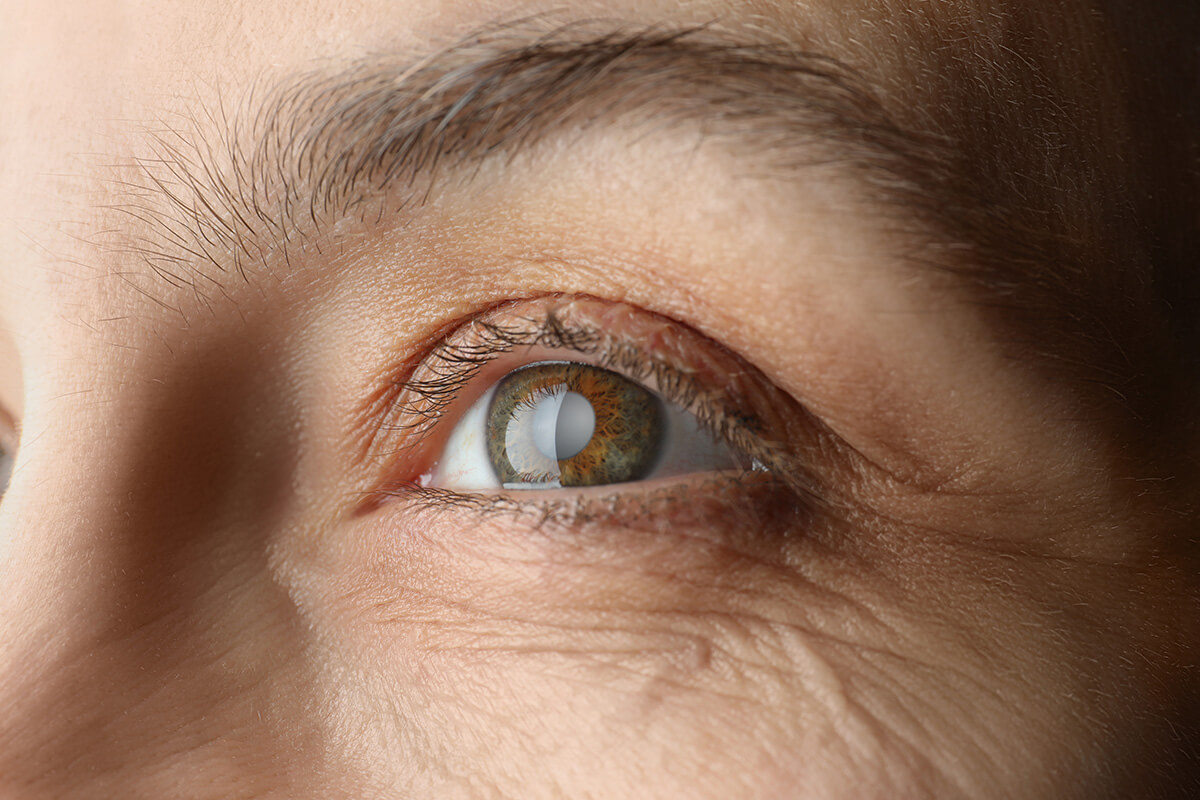
When you have cataract surgery, your doctor removes the cloudy lens from your eye. They replace it with a clear fake lens called an IOL. This new lens often gives you much better vision than before!
Here’s the problem: your old glasses were made for your eyes beforesurgery. Now that the eye sees differently. If you put on your old glasses, the operated eye will look very blurry. It’s like trying to look through the wrong pair of glasses at the eye doctor’s office.
Doctors usually tell patients not to wear their old glasses because they were designed for the eyes before surgery. The good news? Your other eye that didn’t have surgery yet can still use those old glasses to see clearly.
What Happens When One Eye Sees Better Than the Other
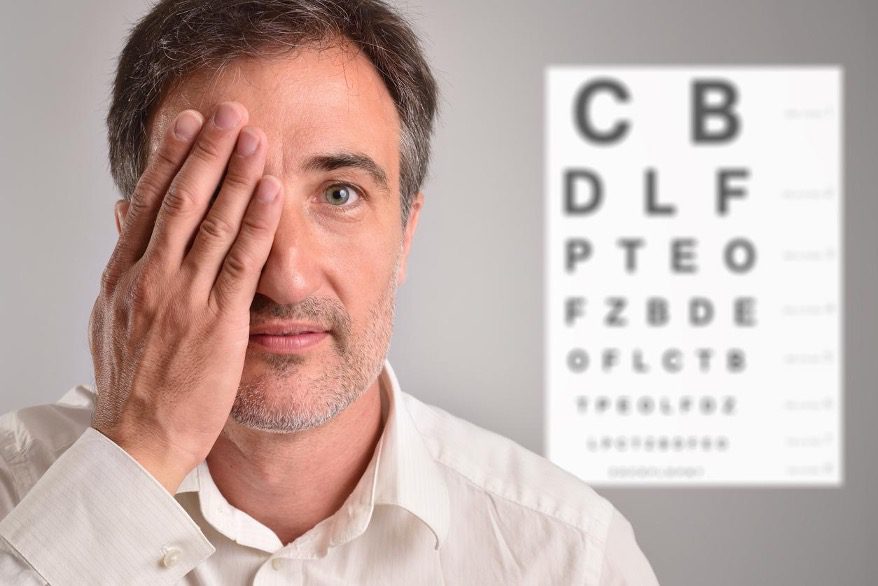
After cataract surgery, can I wear my old glasses? Becomes a real concern because you now have unmatched eyes. One eye sees great. The other still has a cataract and needs glasses.
This difference between your eyes is called anisometropia. It can make you feel:
- Off-balance or dizzy
- Trouble telling how far away things are
- Hard to read or watch TV
- Like your eyes are fighting each other
Vision imbalance can cause problems with balance, double vision, and difficulty with depth perception. Most people get used to this after a few days. Your brain is smart—it learns to work with the new setup!
Simple Ways to See Better Between Surgeries
You have several easy options to help you see clearly while you wait for your second eye surgery:
Pop Out One Lens:
The easiest fix is to remove the lens from your old glasses on the side that had surgery. There is no harm in wearing old glasses if they help the opposite eye, and the old prescription lens can be removed from that side of the frame.
Take your glasses to an optician. They can safely remove that lens for you. Now your operated eye sees clearly, and your other eye still gets help from the remaining lens!
Want it to look nicer? Ask the optician to put in a plain, clear lens instead. Then your glasses look normal.
Use Reading Glasses from the Store:
Most people can see far away well after surgery. But reading up close might be hard. Inexpensive over-the-counter reading glasses can help you read and are harmless to wear.
You can buy these at any drug store or grocery store. They cost just a few dollars. Try different strengths until you find one that works. Powers range from +1.00 to +3.50. Start with a lower number and work your way up.
Try a Contact Lens:
If you already wear contacts, you might put one in your eye that hasn’t had surgery yet. This helps match your eyes better. Just make sure the contact is fitted right for your eye.
Use Your Best Eye:
Some people just skip glasses for a few weeks. They use their newly fixed eye for most things. If the difference bothers you too much, you can even wear an eye patch over the blurry eye.
When Should You Get New Glasses?
After cataract surgery, will I need glasses? Itis a common question. The answer depends on your healing and what type of lens you got.
Most doctors say to wait 4 to 6 weeks before getting new glasses. It’s a good idea to wait six to eight weeks after cataract surgery before getting new glasses, as your surgeon will advise. This gives your eye time to heal completely. Your vision needs to settle down before getting the right prescription.
If you’re having surgery on both eyes and they’re only a week or two apart, you might not need temporary glasses at all. Just wait until both eyes are done, then get one new pair that works for everything!
Do You Need Glasses After Surgery?
This depends on what kind of lens your doctor put in your eye:
Monofocal Lenses:(most common)
- Great for seeing far away
- You’ll need reading glasses for close work
- About 30% to 50% of people still need glasses after surgery
Multifocal Lenses:
- Help you see near and far
- You might not need glasses at all
- Some people still want glasses for certain tasks
Toric Lenses:
- Fix astigmatism problems
- Reduce how much you need glasses
- Works well for people with uneven corneas
Even if you get fancy lenses, you might still want glasses for driving at night or reading tiny print. That’s totally normal!
Protecting Your Eyes After Surgery
Post cataract surgery glasses aren’t just for seeing—they’re for protection too! You must wear sunglasses outside after your surgery.
Why Sunglasses Matter:
After cataract surgery, eyes need protection from excessive brightness and harmful UV rays during healing. Your eyes are extra sensitive to light for the first few weeks. Bright light can hurt and slow down healing.
What Kind of Sunglasses to Get:
Look for protective glasses after cataract surgery that have:
- 100% UV protection(labeled UV 400)
- Wraparound styleto block light from the sides
- Dark enoughto feel comfortable outside
- Polarized lensesto cut down glare (helpful but optional)
Labels should say 99-100% UV/UVA/UVB Protection or 100% Protection Against UV 400 for best protection.
How Long to Wear Them:
Wear sunglasses outside all the time for at least the first week. After that, wear them whenever bright light bothers you—usually for about 4 weeks. Most patients wear sunglasses outdoors always during the first week, then continue in weeks 2-4 as needed for sensitivity.
Here’s a secret: you should keep wearing UV-blocking sunglasses forever! They protect your eyes from damage that could cause more cataracts or other problems down the road.
Can You Drive with Mismatched Eyes?
Driving after surgery on just one eye can be tricky. If your eyes are too different, you might not see depth well. This makes it hard to tell how far away cars or curbs are.
Check with your doctor before driving. They’ll test your vision and tell you when it’s safe. If you took out one lens from your old glasses and that helps enough, you might be okay to drive. But never guess—always ask your eye doctor first!
What If You Only Need Surgery on One Eye?
Some people only have a cataract in one eye. If that’s you, the vision difference might last a long time. In this case:
- Get temporary new glasses made for both eyes
- Try a contact lens in the eye that didn’t have surgery
- Talk to your doctor about surgery on the other eye, even without a cataract
Sometimes doctors will do surgery on a healthy eye just to balance things out. This works especially well for older adults whose natural lens isn’t working great anymore anyway.
Taking Care of Your Eyes During Recovery
Besides wearing the right glasses, here’s how to heal well:
- Use your eye dropsexactly as your doctor says
- Don’t rub your eyeseven if they itch
- Avoid heavy liftingfor a few weeks
- Keep water and soapout of your eyes when showering
- Sleep with an eye shieldif your doctor gives you one
- Go to all follow-up visitsto check healing
Your vision might be a little blurry or cloudy right after surgery. This is normal! Most people see clearly within a week. If things get worse instead of better, call your doctor right away.
Getting Help at Hampden Optical
If you’re dealing with vision changes after cataract surgery, the team at Hampden Optical in Mechanicsburg PA can help! They offer:
- Comprehensive eye examsto check your healing
- Expert frame selectionfrom over 800 designer options
- On-site repairs and adjustmentsfor your old glasses
- Custom progressive lenseswhen you’re ready for new glasses
Their experienced opticians can remove lenses from your old frames, help you pick the perfect temporary reading glasses, or get you fitted for new glasses when your eyes are ready. They’ve been trusted in Central Pennsylvania since 1996!
Common Questions About Glasses After Surgery
Can I damage my eyes by wearing my old glasses?
No, wearing your old glasses won’t hurt your eyes. But they’ll make your operated eye very blurry and might give you headaches. It’s annoying but not dangerous.
Will insurance cover new glasses after surgery?
Most insurance plans cover one pair of glasses after cataract surgery. Check with your insurance company to be sure.
How much will new glasses cost?
This depends on the frames and lenses you pick. Basic glasses might cost $100-200, while designer frames with special coatings can run $500 or more. Many optical shops offer payment plans.
Can I wear contacts instead of glasses?
Yes! Once your eye heals (usually 4-6 weeks), you can wear contacts if you prefer. Your doctor will need to check that your eye is ready first.
Final Thoughts
After cataract surgery on one eye, your old glasses won’t work the same way. But you have lots of good options to see clearly while you heal! You can pop out one lens, use cheap reading glasses from the store, or just wait a few weeks if the difference isn’t too bad.
Remember to protect your eyes with good sunglasses. Follow your doctor’s instructions about eye drops and follow-up visits. And wait at least 4-6 weeks before getting new prescription glasses so your eyes have time to heal properly.
The weird in-between time won’t last long. Soon, both eyes will be done, and you’ll see the world more clearly than you have in years! If you need help with temporary glasses or adjustments to your old frames, contact the friendly team at Hampden Optical. They’re here to make your vision journey easy and stress-free.