An ophthalmologist is a medical doctor who can do eye surgery and treat complex eye problems. A regular eye doctor, called an optometrist, handles routine eye exams, prescribes glasses, and treats common eye issues. The main difference is in their training and what they can do for you.
In this article, we’ll break down exactly what sets these eye care pros apart. You’ll learn when to see each type of doctor and how they work together to keep your eyes healthy.
Understanding The Two Types of Eye Doctors
When your eyes need care, knowing which doctor to call saves you time and stress. Let’s make this simple.
What Is an Optometrist?
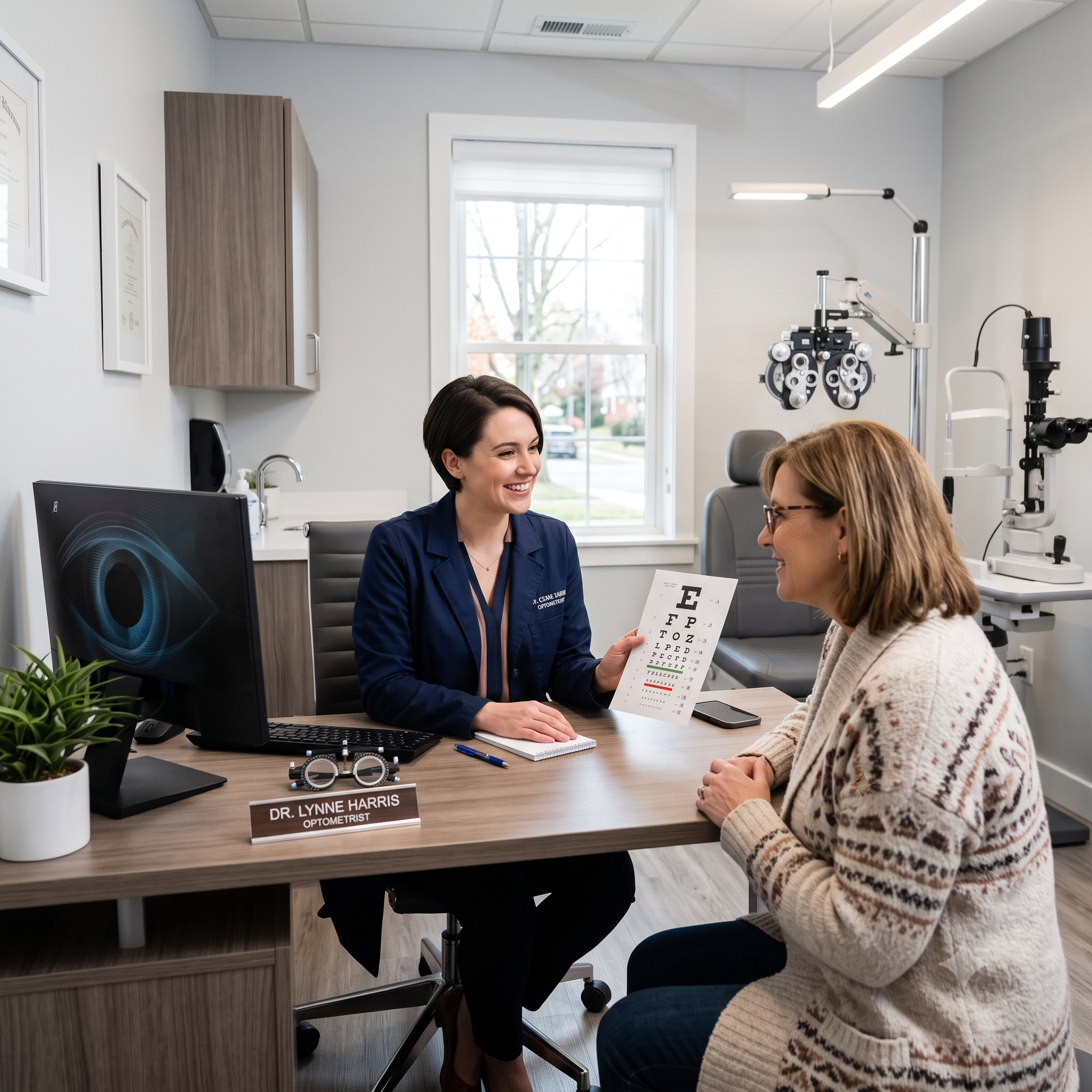
Think of an best optometrist as your eye’s primary care doctor. They examine, diagnose, and treat patients’ eyes. Most people see an optometrist for their yearly eye checkups.
Optometrists earn a Doctor of Optometry (OD) degree. This takes about four years of optometry school after a four-year college degree. That’s eight years of school total.
Here’s what your optometrist does:
- Gives you a regular eye exam to check your vision
- Writes prescriptions for glasses and contacts
- Spot early signs of eye diseases
- Treats pink eye and minor infections
- Manages dry eyes and allergies
At Hampden Optical in Mechanicsburg, PA, our professional team provides comprehensive eye exams to catch problems early.
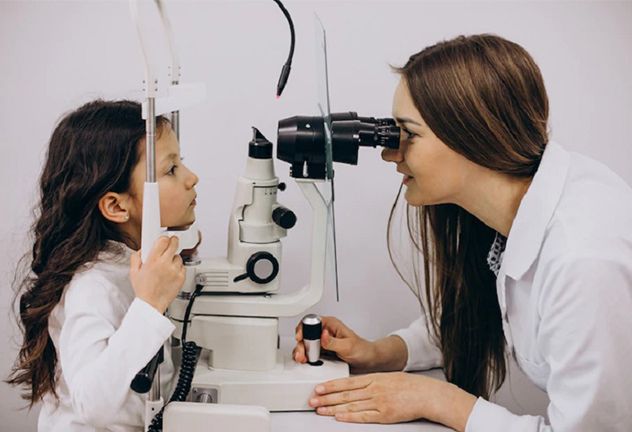
What Is an Ophthalmologist?
An ophthalmologist is a full medical doctor with special training in the eyes. They complete four years of college, four years of medical school, and four to five years of additional specialized training. That’s 12 years or more of education.
These doctors can:
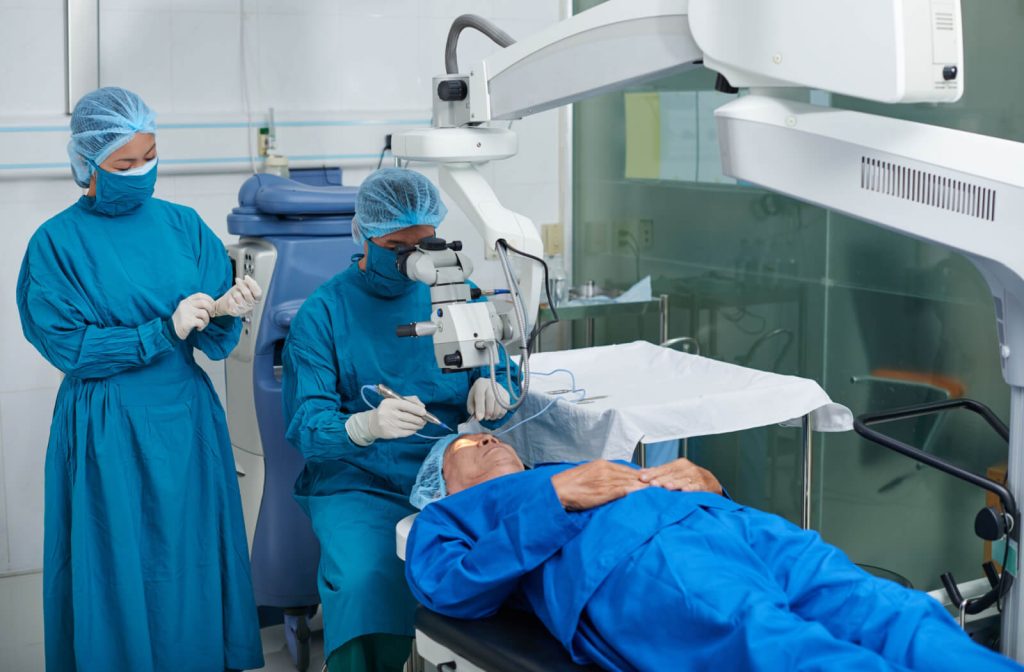
- Perform eye surgery like cataract removal
- Treat serious eye diseases
- Handle eye emergencies
- Do LASIK and other laser procedures
- Manage complex conditions like glaucoma
Many ophthalmologists pick a special area to focus on. Some only treat children’s eyes. Others become experts in the retina or cornea.

Education: The Biggest Difference
The training gap between these two doctors is huge.
Optometry School Path:
An optometrist’s journey looks like this:
- Four years of college (any major works, but science helps)
- Take the Optometry Admission Test
- Four years at optometry school
- Optional one-year residency for extra training
Total time: About 8 years after high school.
Medical School Path:
Becoming an ophthalmologist takes much longer.
- Four years of college (pre-med courses required)
- Take the MCAT exam
- Four years of medical school
- One year of general medical internship
- Three years of eye surgery residency
- Optional fellowship for subspecialty (1-2 extra years)
Total time: At least 12 years, often 13-14 years.
Ophthalmologists have at least 12 years of training—four years each of undergraduate work, medical school, and post-graduate training. This extra education lets them handle the most complex eye problems.
What Each Doctor Can Treat
Knowing who treats what helps you get the right care fast.
When to See Your Regular Eye Doctor?
Visit an optometrist for:
Routine Care:
- Yearly vision checkups
- Getting new glasses or contacts
- Updating your prescription
Common Problems:
- Red, itchy eyes
- Pink eye (conjunctivitis)
- Minor scratches on your eye
- Dry eye symptoms
- Eye allergies
If you’re experiencing symptoms of an eye infection (like pink eye) or a minor injury (such as a scratched cornea), an optometrist can diagnose and treat the problem.
If you need help with dry eye or allergies, your optometrist is the right choice.
Eye Disease Monitoring:
- Early-stage glaucoma
- Diabetic eye checks
- High blood pressure effects on the eyes
Your optometrist watches for warning signs and refers you to a specialist when needed.
When You Need an Ophthalmologist?
You’ll need an ophthalmologist for difficult medical conditions, such as uncontrolled eye infections, medically unmanageable glaucoma, cataract surgery, corneal transplants, or retinal problems.
See an ophthalmologist for:
Eye Surgery:
- Cataract removal
- LASIK vision correction
- Glaucoma surgery
- Retinal repairs
- Cornea transplants
Serious Eye Diseases:
- Advanced glaucoma
- Macular degeneration
- Diabetic retinopathy
- Severe eye injuries
- Eye tumors
Ongoing Complex Care:
- After major eye surgery
- Managing chronic eye conditions
- When medicines aren’t working
Eye Doctor or Regular Doctor for Eye Infection?
This is a common question. For eye infections, visiting your optometrist instead of your family doctor allows for timely treatment and management.
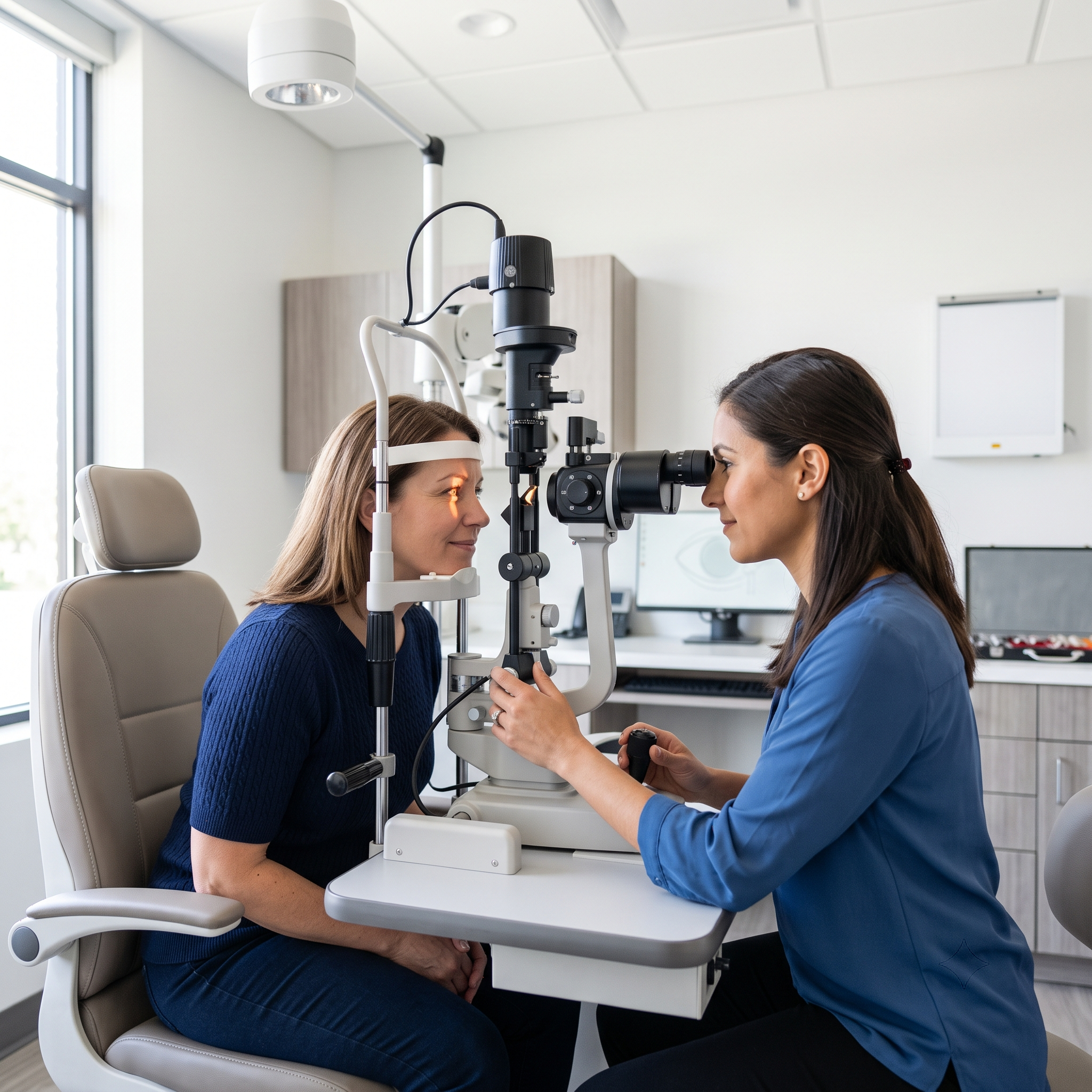
Your eye doctor has special tools to look deep into your eye. They can tell if it’s bacterial, viral, or allergic. Plus, optometrists can prescribe eye drops and medicines just like a family doctor can.
Go to your eye doctor first when you have:
- Red, watery eyes
- Crusty eyelids in the morning
- Painful, swollen eyes
- Blurry vision with eye pain
If it’s serious or not improving, your optometrist will send you to an ophthalmologist.
How These Doctors Work Together?
The best eye care happens when both doctors team up.
Optometrists may detect signs of more advanced issues, such as glaucoma, cataracts, or diabetic retinopathy, and refer patients to an ophthalmologist for specialized treatment or surgical intervention.
Here’s how it typically works:
- You see your optometrist for a regular eye exam
- They spot something that needs surgery or special care
- They refer you to an ophthalmologist
- The ophthalmologist does the treatment or surgery
- You go back to your optometrist for follow-up care
This tag-team approach gives you the best of both worlds.
Cost Differences: What to Expect?
Money matters when it comes to eye care.
Optometrist Visits:
- Usually less expensive
- Often covered by vision insurance
- Great for routine care
Ophthalmologist Visits:
- Generally costs more
- Covered by medical insurance (not vision)
- Worth it for complex problems
A regular eye exam at an optometrist might cost $50-150. An ophthalmologist visit for the same exam could be $100-300 or more. But if you need surgery, only an ophthalmologist can help you.
Finding the Best Eye Care in Mechanicsburg PA
Looking for the Best Ophthalmologists Near Mechanicsburg PA or a trusted eye exam? Start with a good optometrist.
Local options like Mechanicsburg Eye Associates offer great care. If you want personalized service with over 800 designer frames, Hampden Optical has been serving the community since 1996.
We offer:
- Complete eye health evaluations
- Same-day prescription eyeglasses and frames
- Pediatric vision screening for your kids
- Expert advice on protecting your eyes
Whether you’re searching for visionworks mechanicsburg pennsylvania or vision works mechanicsburg pa, remember that local independent practices often provide more personal attention.
Common Questions Answered
Can an optometrist become an ophthalmologist? Not without going to medical school. They’re completely different career paths with different degrees.
Is an optometrist a “real” doctor? Yes. They have a doctorate degree (OD) and are licensed doctors of optometry. They’re not medical doctors like ophthalmologists (MD), but they’re definitely real doctors.
Do I need a referral to see an ophthalmologist? Sometimes. It depends on your insurance. Many insurance plans let you go directly. Check with your insurance company first.
How often should I get my eyes checked? Most adults need a regular eye exam every 1-2 years. If you have eye problems, diabetes, or a family history of eye disease, go yearly.
Can both types of doctors prescribe glasses? Yes. Both can test your vision and write prescriptions for glasses and contacts.
Final Thoughts
The difference between an ophthalmologist and a regular eye doctor comes down to training and what they can treat. Your optometrist handles everyday eye care and catches problems early. An ophthalmologist steps in when you need surgery or have complex eye conditions.
Most people see their optometrist regularly and only need an ophthalmologist if something serious comes up. Both play important roles in keeping your vision clear and your eyes healthy.
Don’t wait until you have a problem. Schedule a comprehensive eye exam today. Regular checkups catch issues before they steal your sight. At Hampden Optical, we’re here to help you see clearly and live fully.